Antiques & Classic Furniture
Period furniture and objects from the 18th to the 20th century: chests, chairs and cabinets, mantel and wall clocks, Orthodox icons, crosses, candlesticks and statuettes, mostly from France, Italy, Germany and the Low Countries.
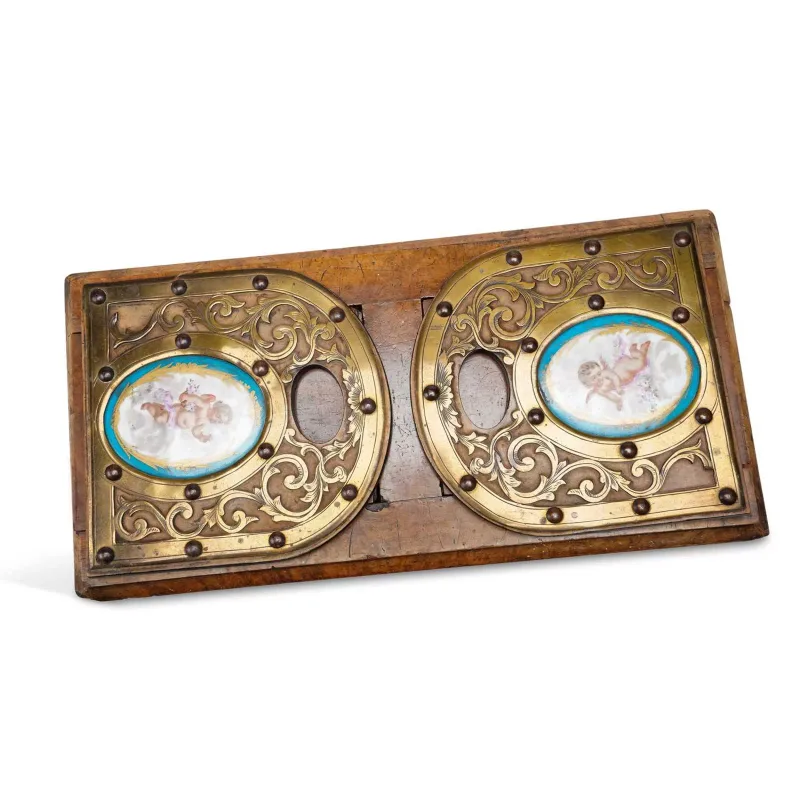
A Victorian Walnut Book Slide of folding form
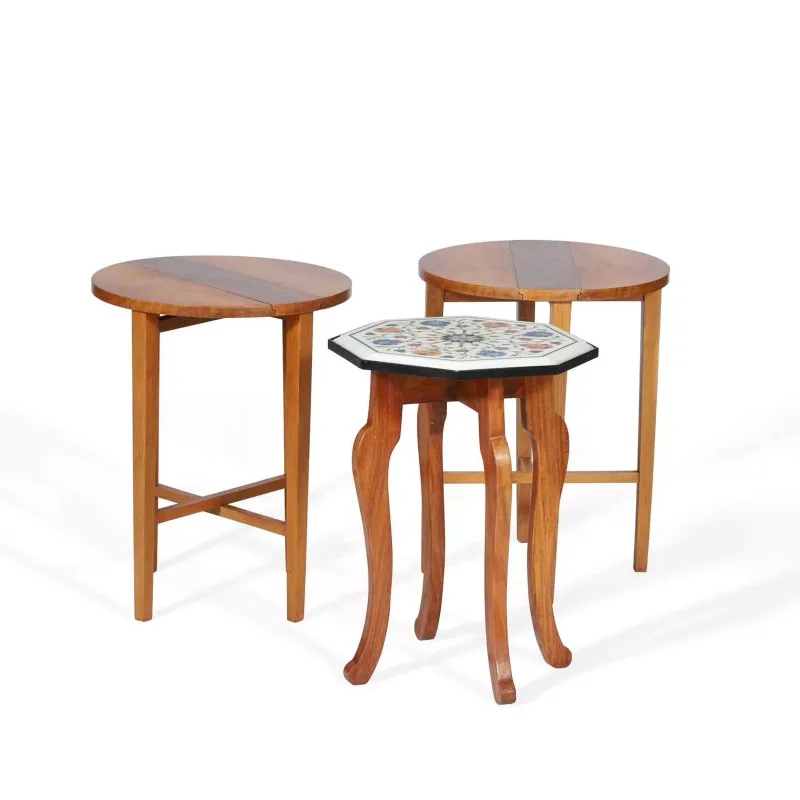
Three Occasional Tables 20th Century, comprising an octagonal hardwood occasional table
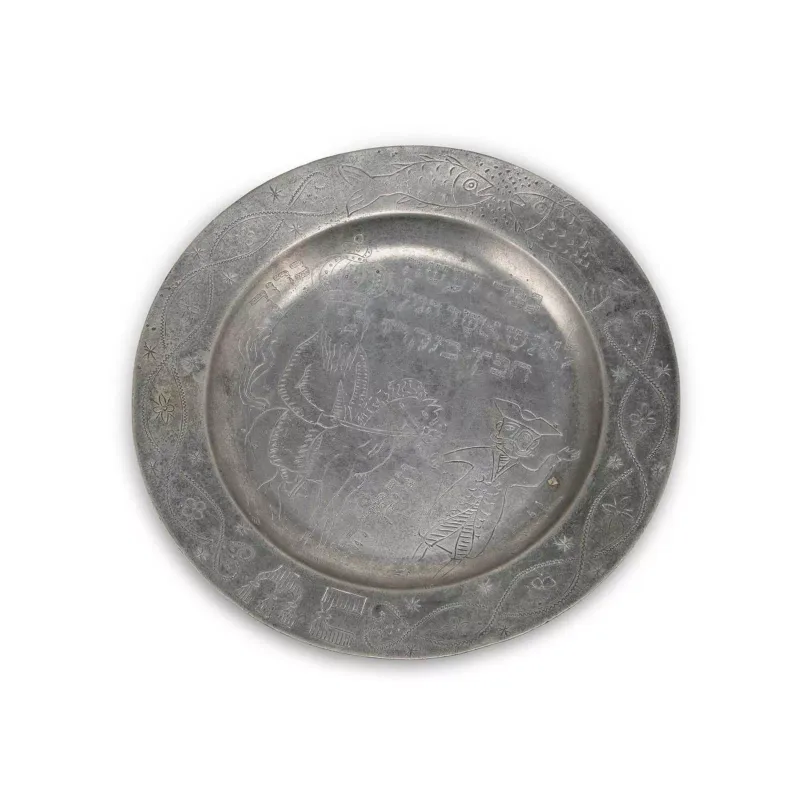
Judaica: An English Pewter 'Purim' Passover Plate 18th Century, centrally engraved with a king on horseback with an attendant, with Hebrew inscription
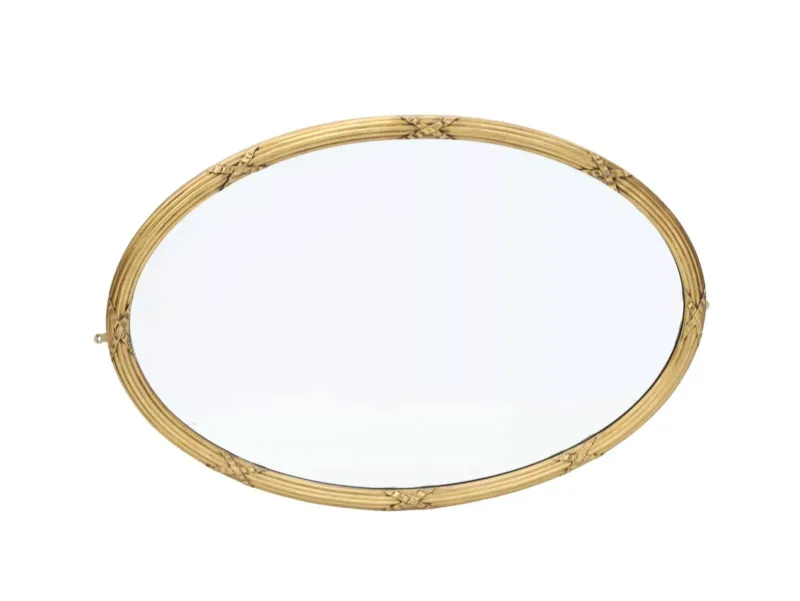
An Oval Giltwood Wall Mirror early 20th Century, the reeded frame bound at intervals with ribbon ties
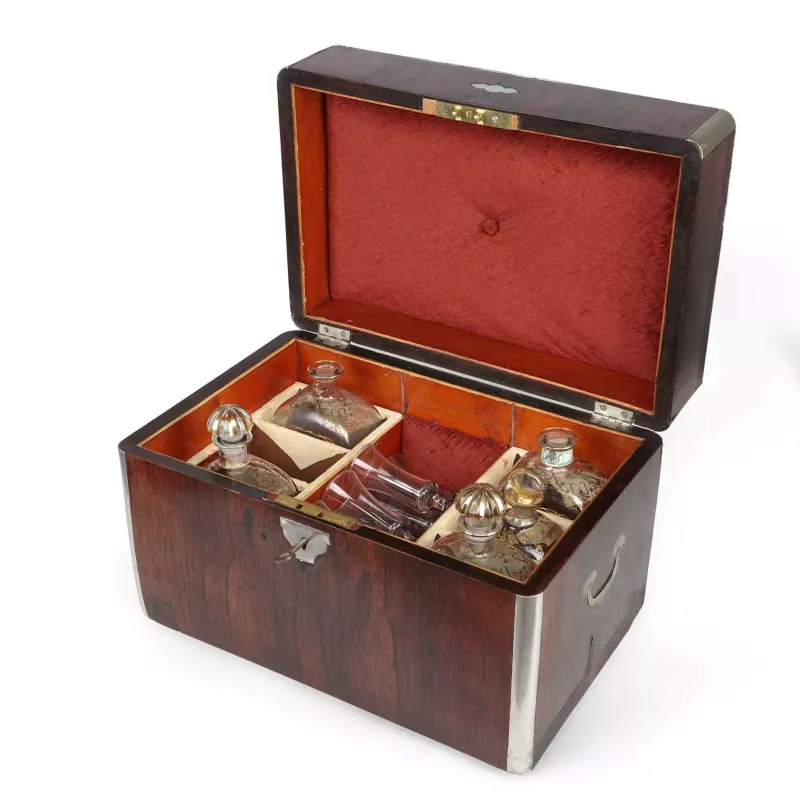
A Rosewood Decanter Box mid-19th Century, of rectangular form with rounded angles, bound at the angles and edges in plated metal
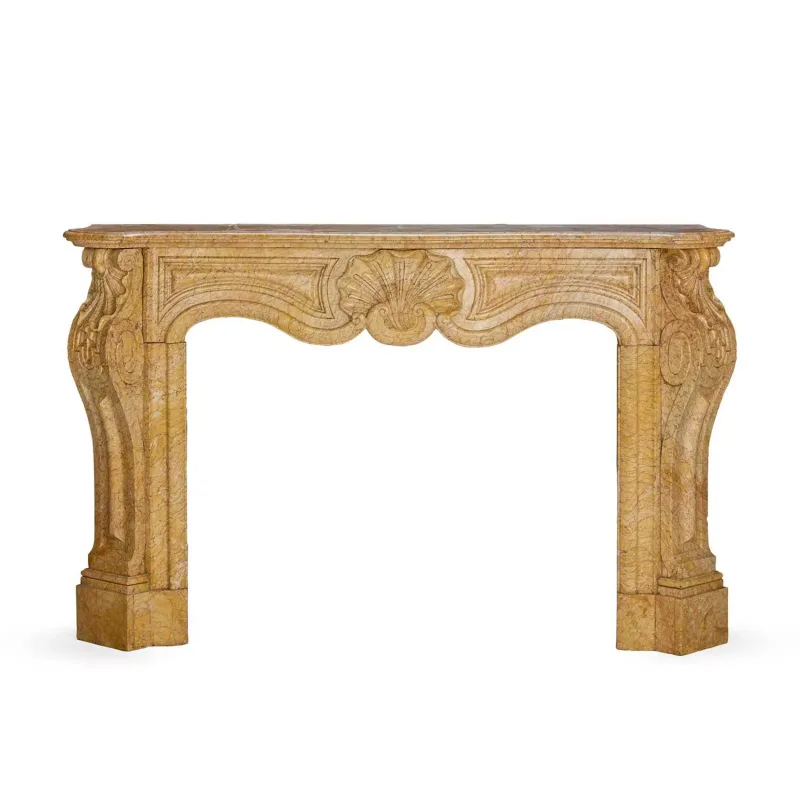
A Louis XV Style Crema Valencia Marble Fire Surround late 19th Century
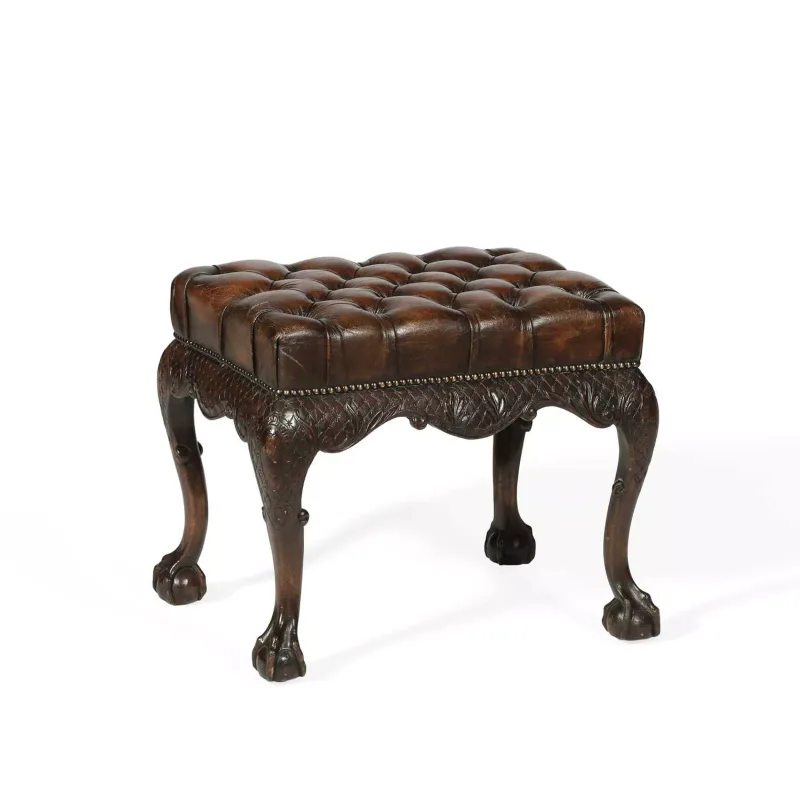
A George II Style Mahogany And Leather Upholstered Stool late 19th/ early 20th Century
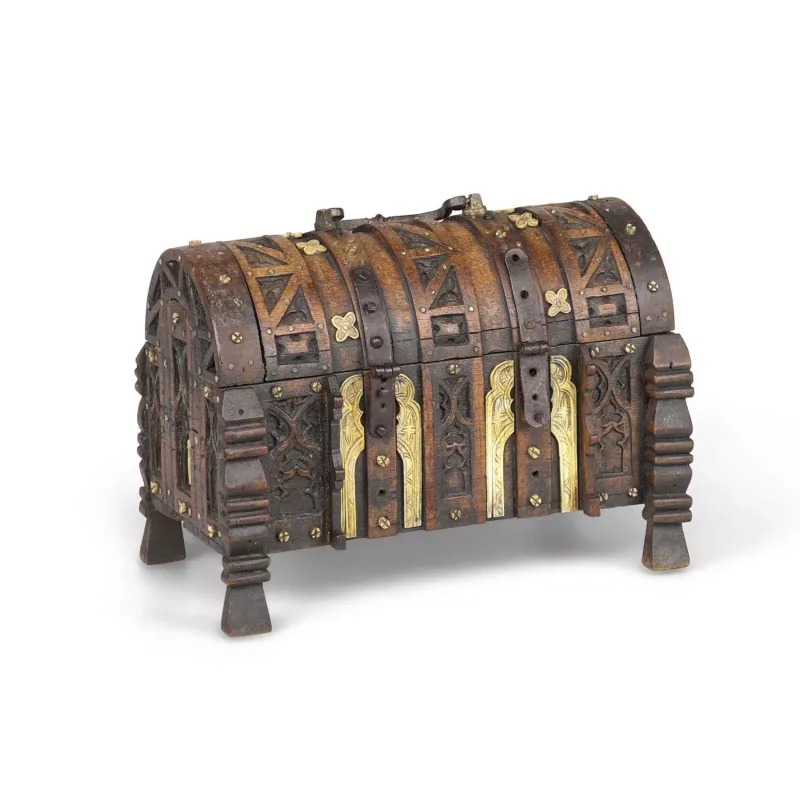
An Oak And Bone Mounted Casket in the Gothic taste, of rectangular form with a domed cover, the oak carcase carved throughout with cusped arches
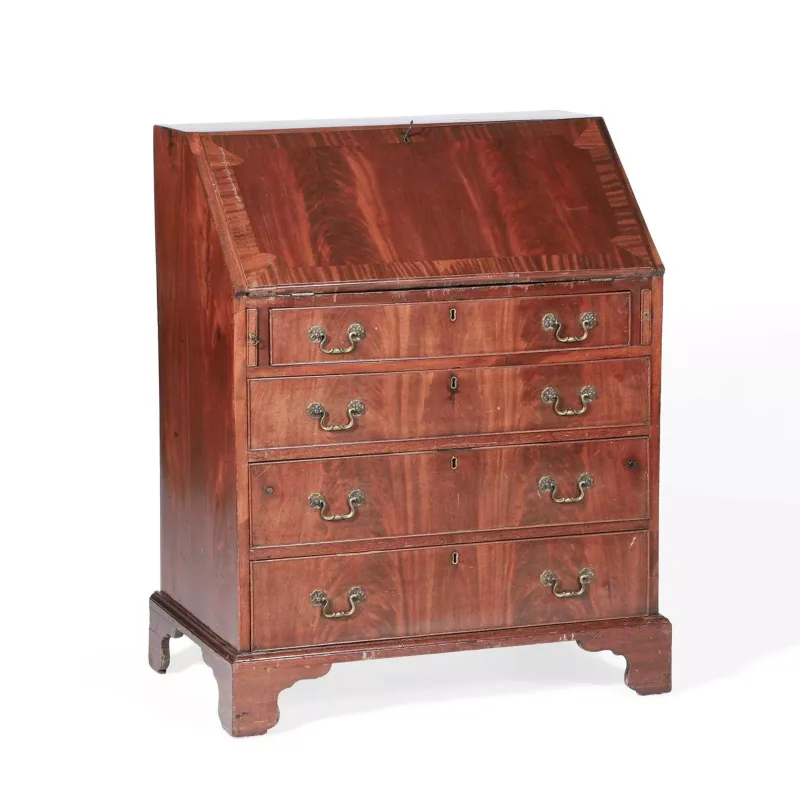
A Mahogany Bureau
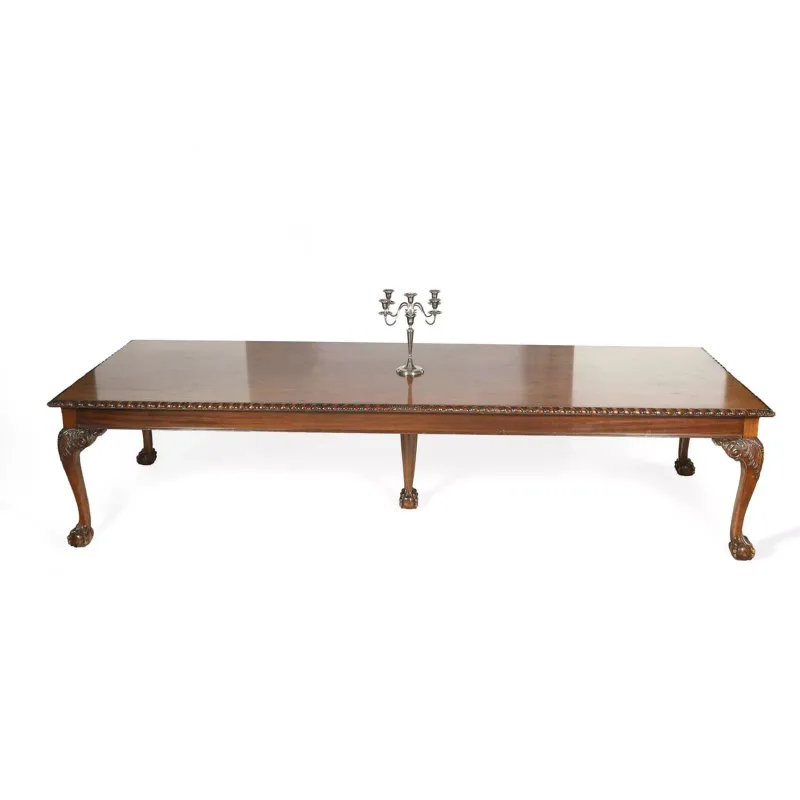
A Large Mahogany Dining Table late 19th or early 20th Century, in the George II taste, the rectangular top with a gadrooned edge above a plain frieze
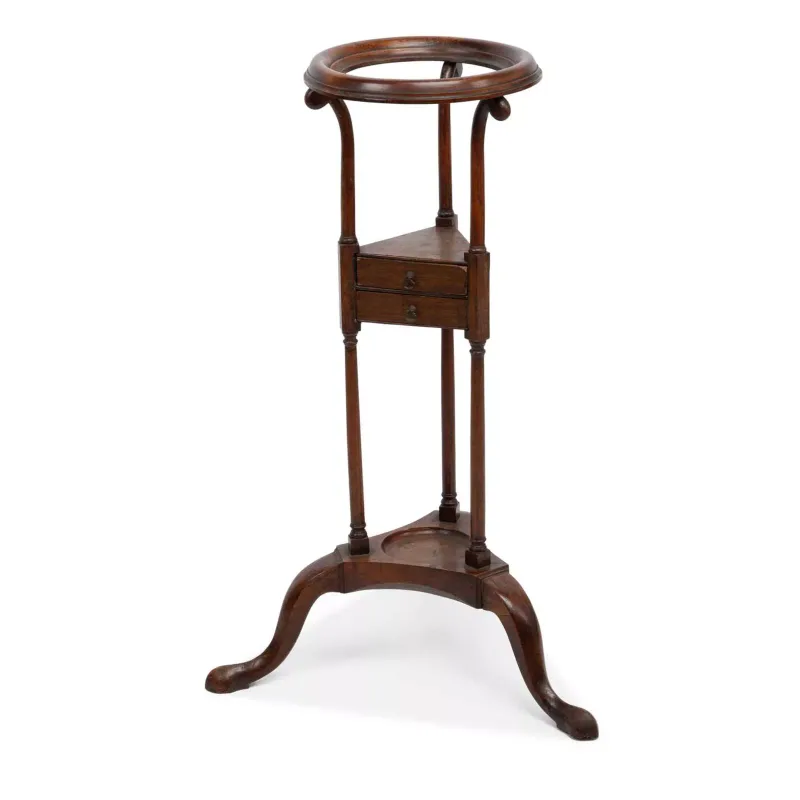
A George III Mahogany Wig Stand circa 1780, the circular ring top upon three scrolled uprights above a shaped triangular tier fitted with two drawers
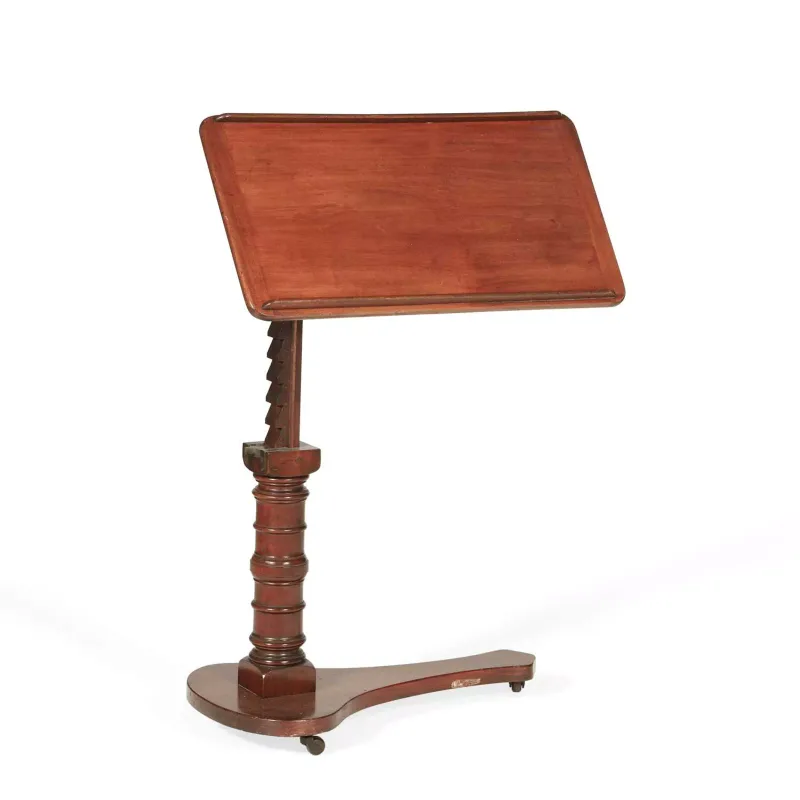
A Victorian Mahogany Adjustable Reading Table with the label of Bowman Brothers, Camden Town, late 19th Century
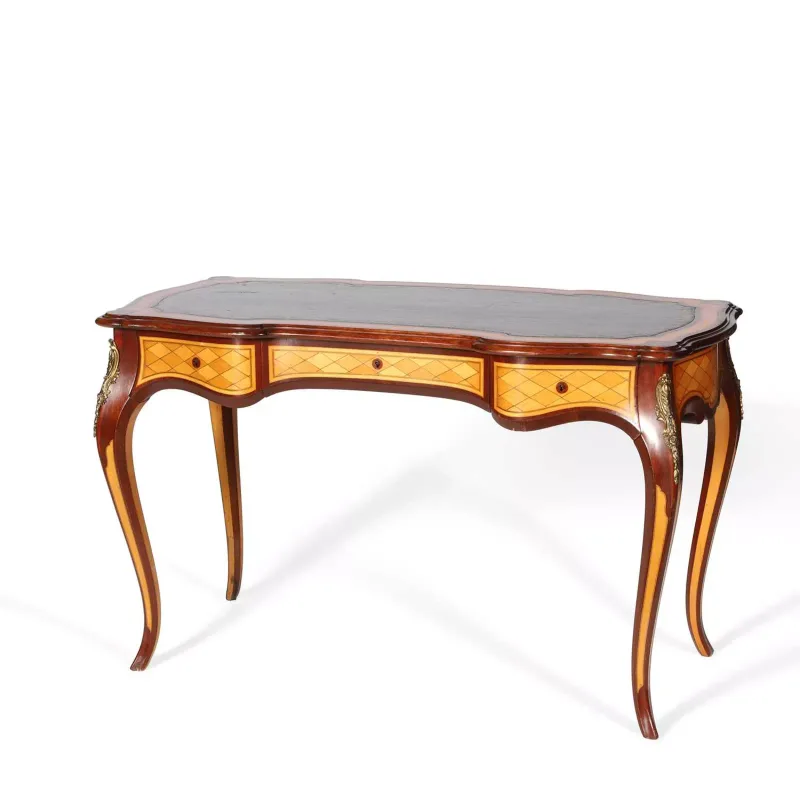
A Louis XV Style Parquetry Writing Table the serpentine top inset with a tooled leather writing surface within a crossbanded border
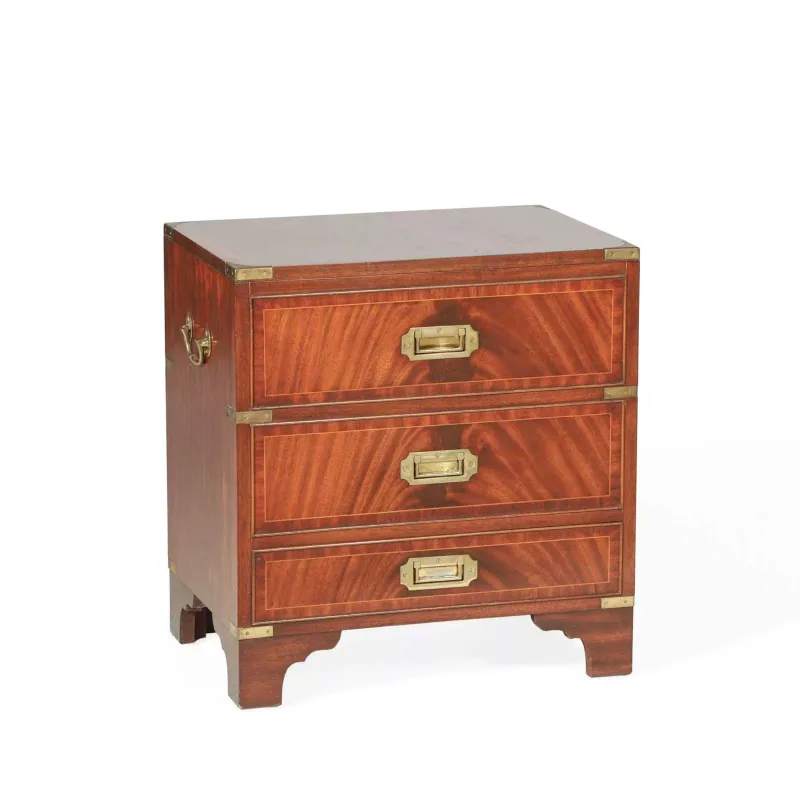
A Brass Mounted Mahogany Cellarette in the campaign taste, the hinged top above two dummy drawer fronts, with flush brass handles and corner mounts
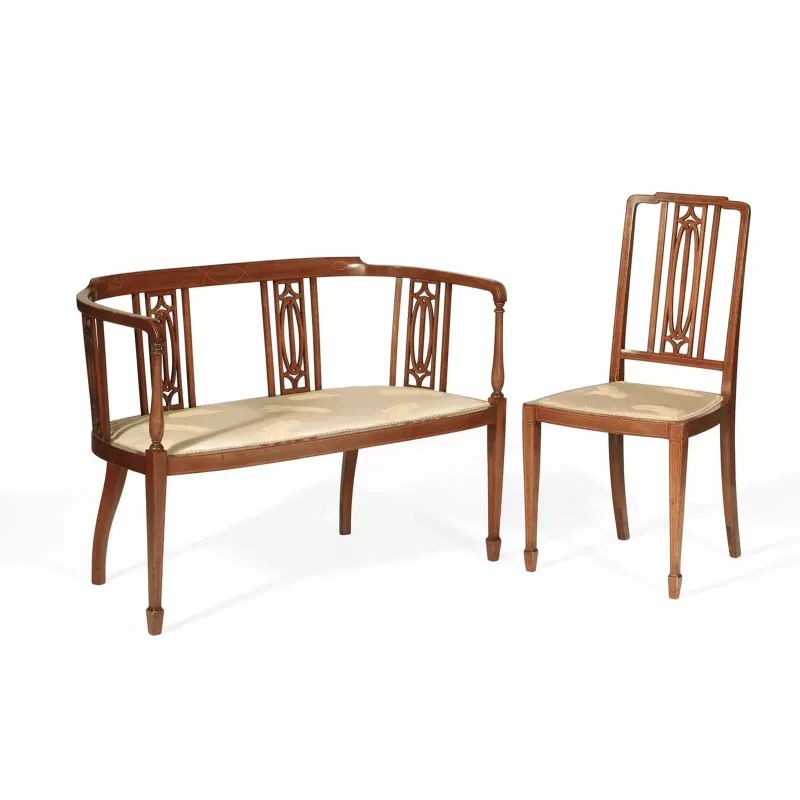
An Edwardian Inlaid Mahogany Salon Settee And Chair circa 1905, the settee with a curved top rail above pierced and inlaid splats
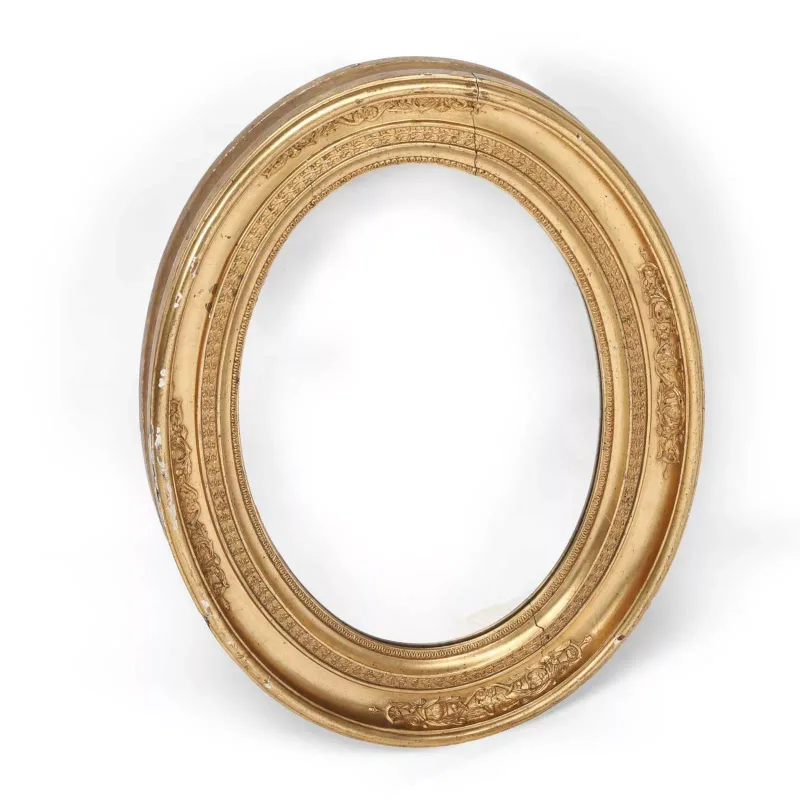
An Oval Giltwood Wall Mirror 19th Century, the moulded frame with foliate mouldings enclosing an oval plate.
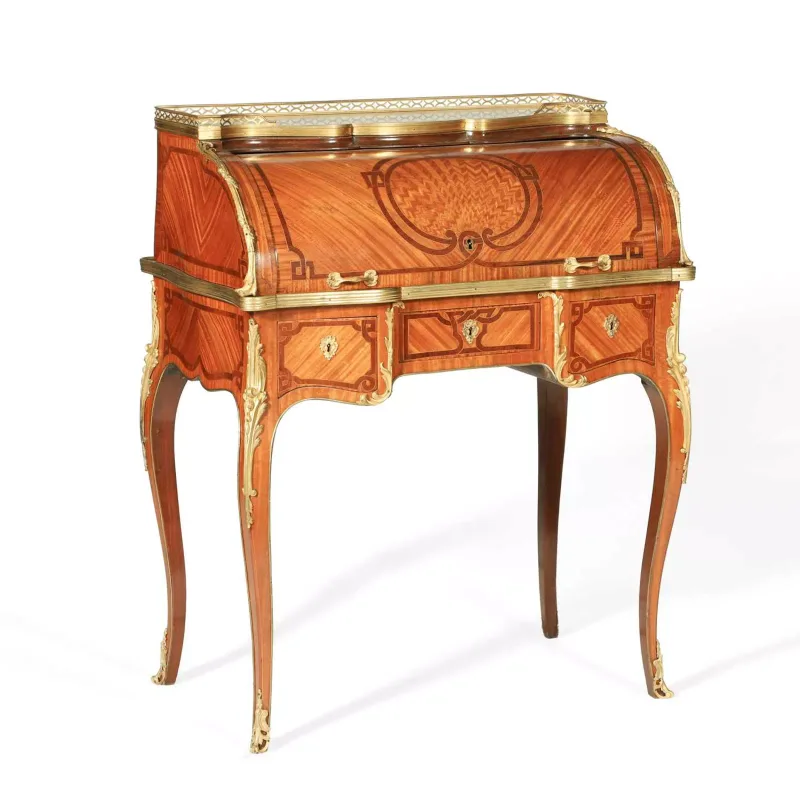
A French Transitional Style Bois Satiné, Palisander, Parquetry and Gilt-Bronze Mounted Bureau à Cylindre Late 19th Century
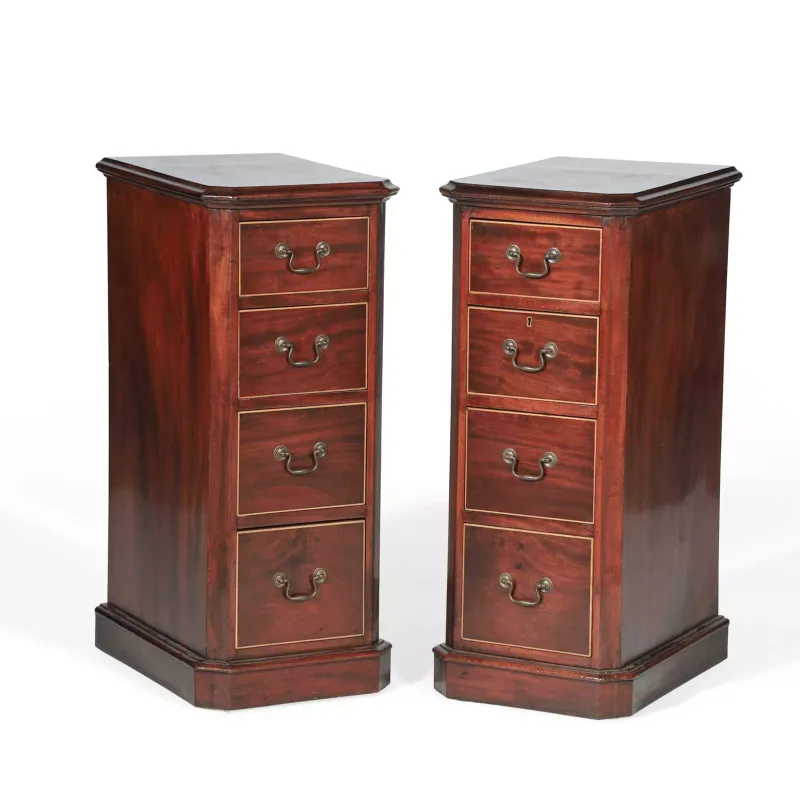
A Pair Of Mahogany Bedside Chests 20th Century, in the George III taste, each of narrow upright form with canted front angles
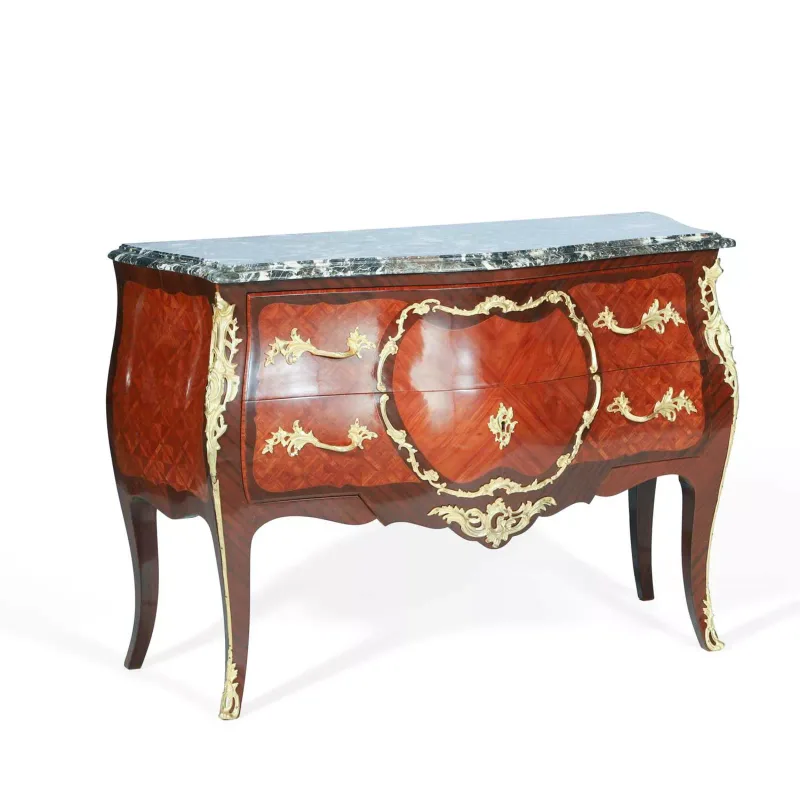
A Louis XV Style Kingwood And Parquetry Commode late 19th or early 20th Century
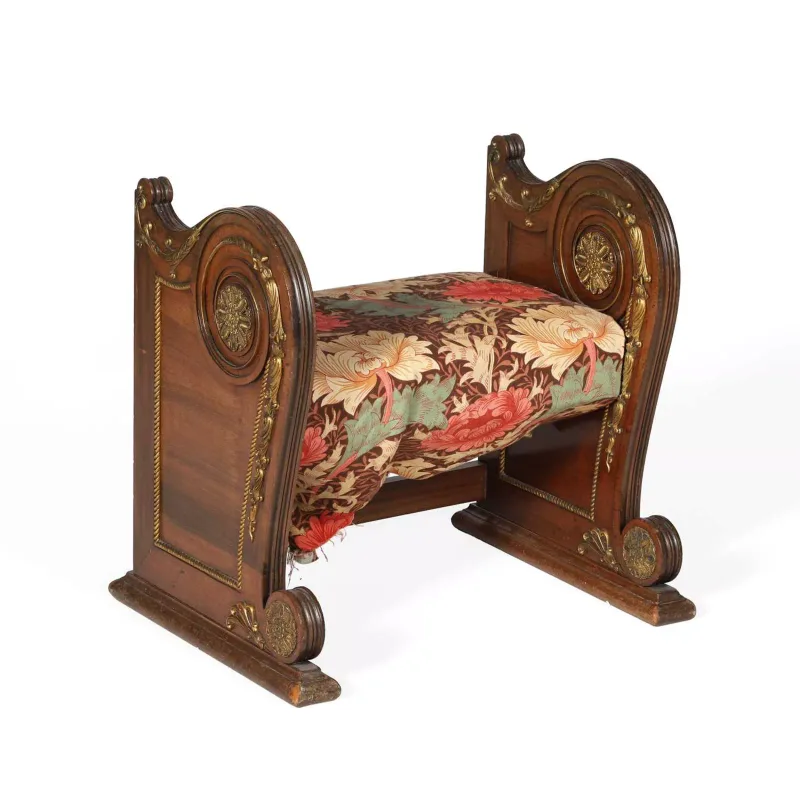
A Mahogany And Gilt Metal Mounted Stool the scrolled gondola ends applied with foliate mounts and rosette paterae within roundels, the upholstered seat between
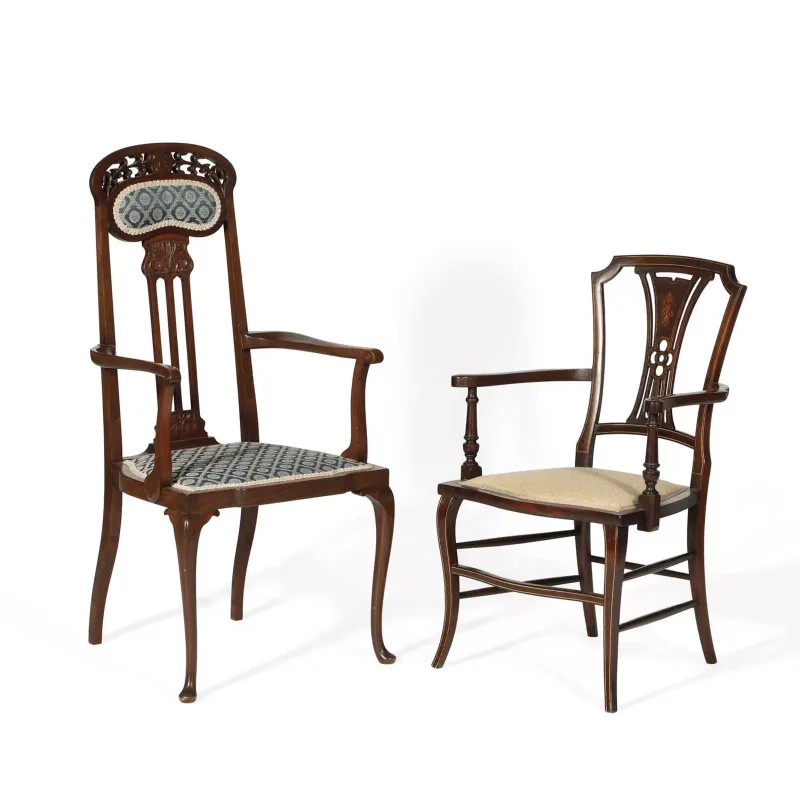
Two Edwardian Mahogany Chairs comprising an Art Nouveau armchair with a pierced and inlaid back above an upholstered seat, and an inlaid salon chair
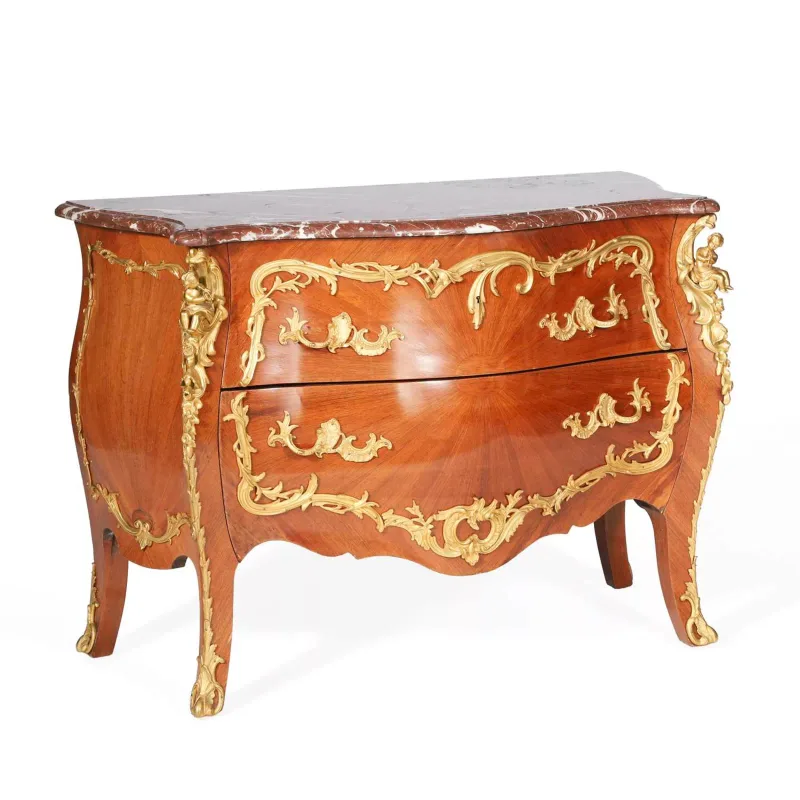
A French Louis XV Style Kingwood Gilt Bronze Mounted Rouge Languedoc Marble Topped Commode 19th Century
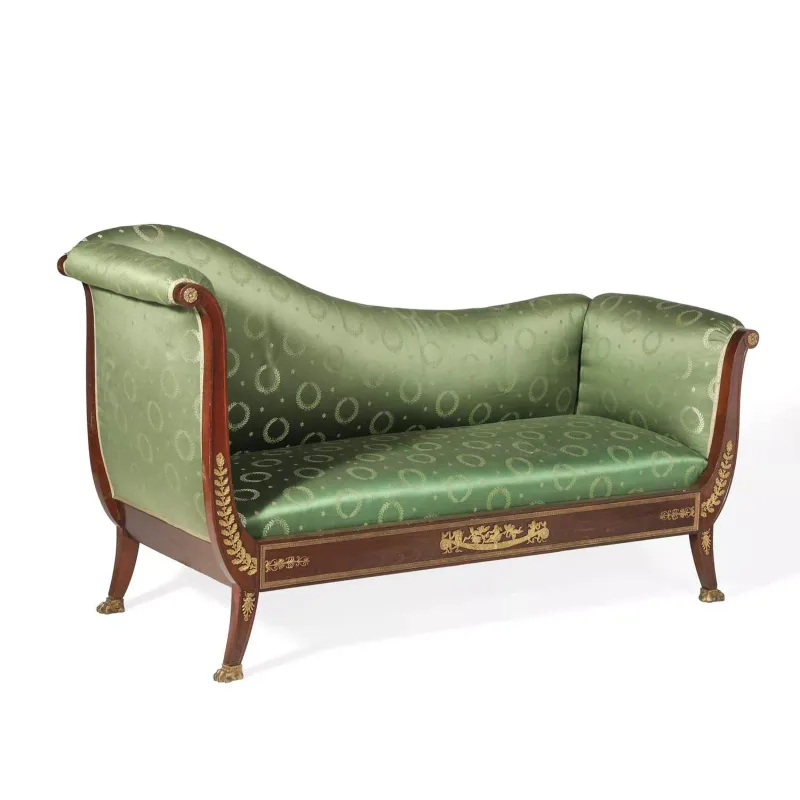
A French Empire Style Mahogany And Gilt Bronze Mounted Sofa late 19th Century
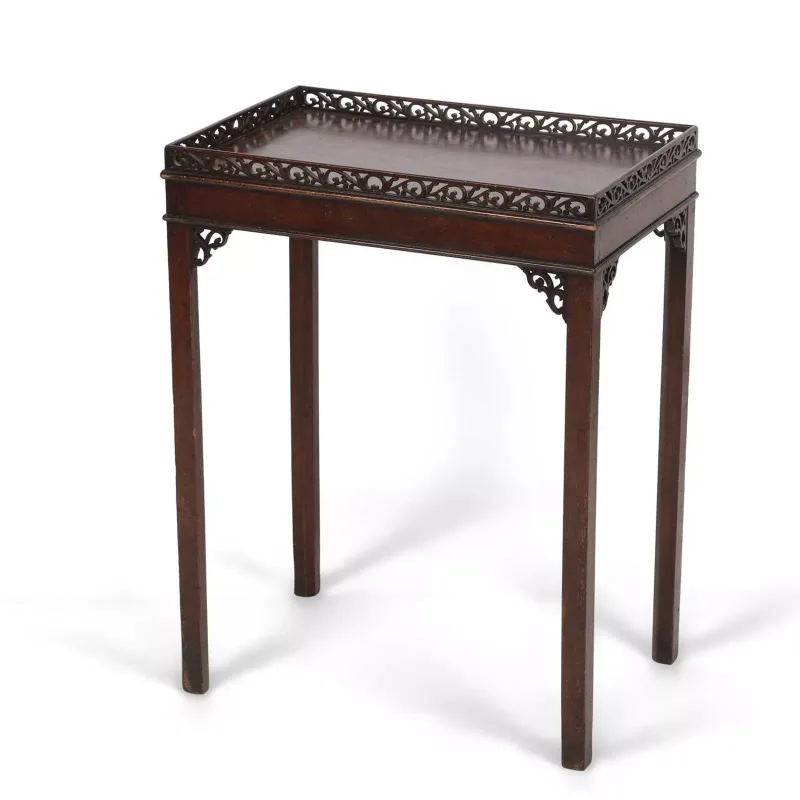
A Mahogany Silver Table in the George III taste, the rectangular top within a pierced fretwork gallery above pierced angle brackets
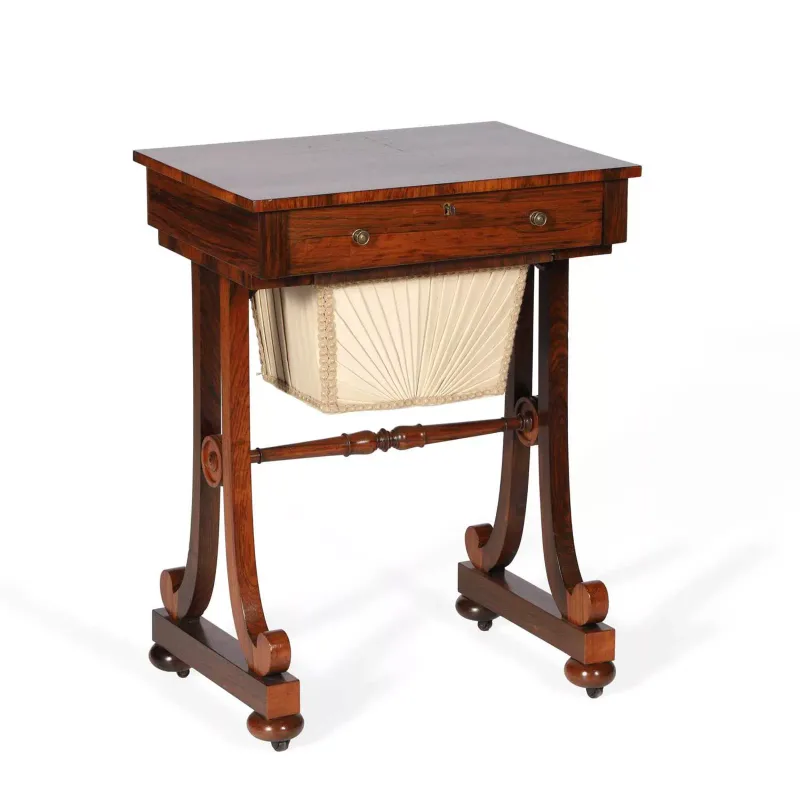
A William IV Rosewood Work Table circa 1835, the rectangular crossbanded top above a frieze drawer with turned handles and a pleated work bag below
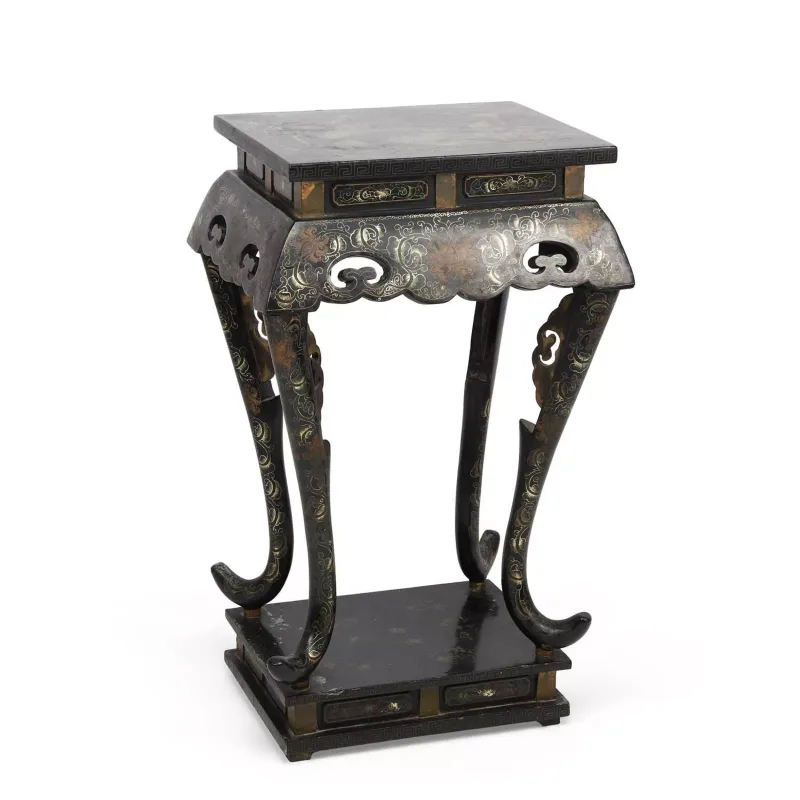
A Chinese Black Lacquer Vase Stand late 19th Century, of rectangular form
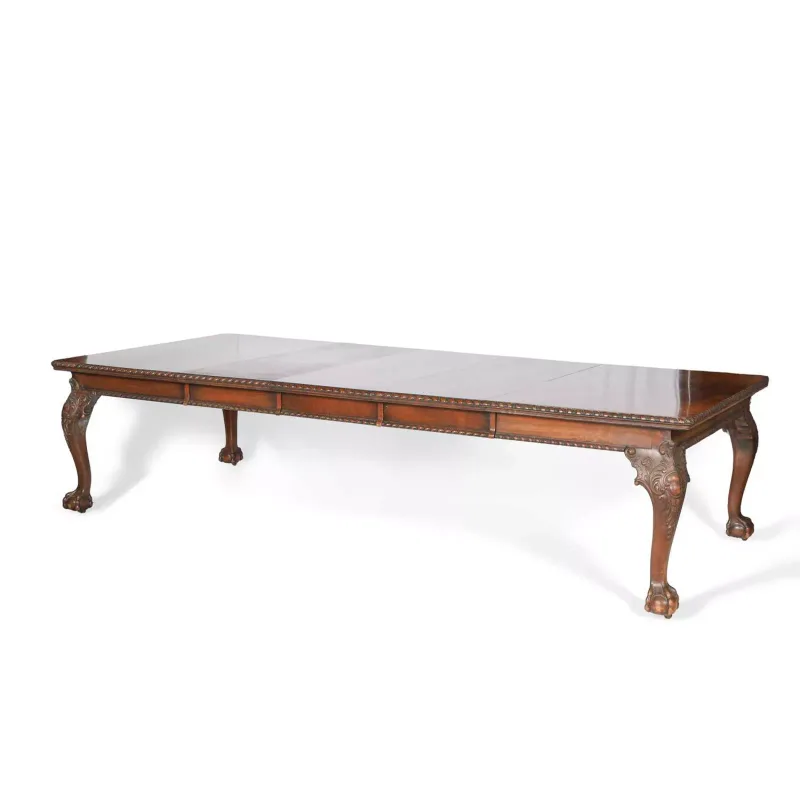
A George II Style Walnut Extending Dining Table early 20th Century, attributed to Waring & Gillow, with a gadrooned edge
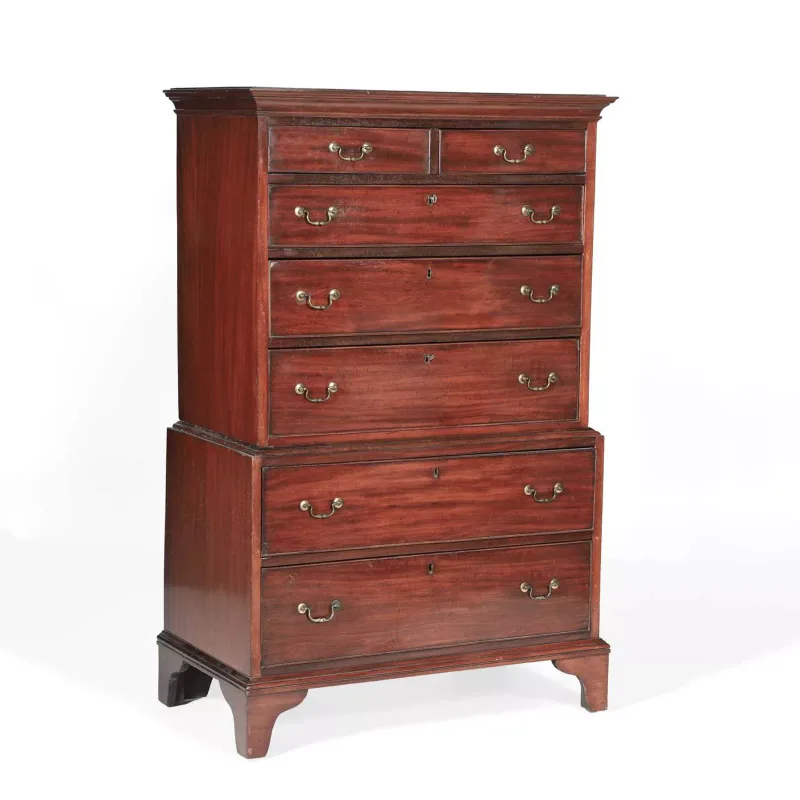
A George III Mahogany Chest On Chest Of Small Proportions the moulded cornice above two short and three long graduated drawers
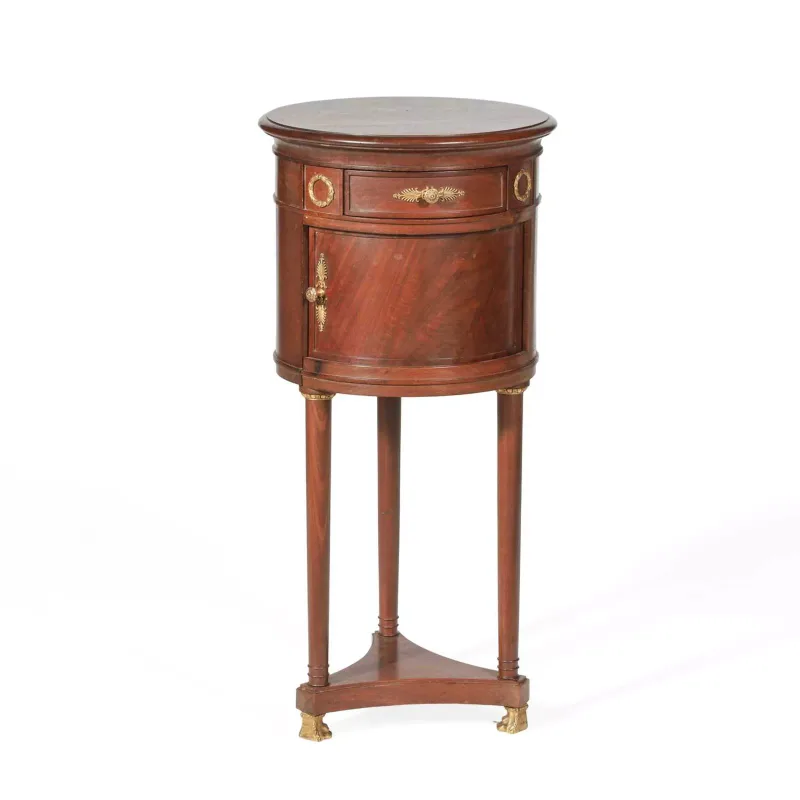
A Mahogany Cylindrical Side Table with gilt metal mounts, the cylindrical body with a frieze drawer above a cupboard door
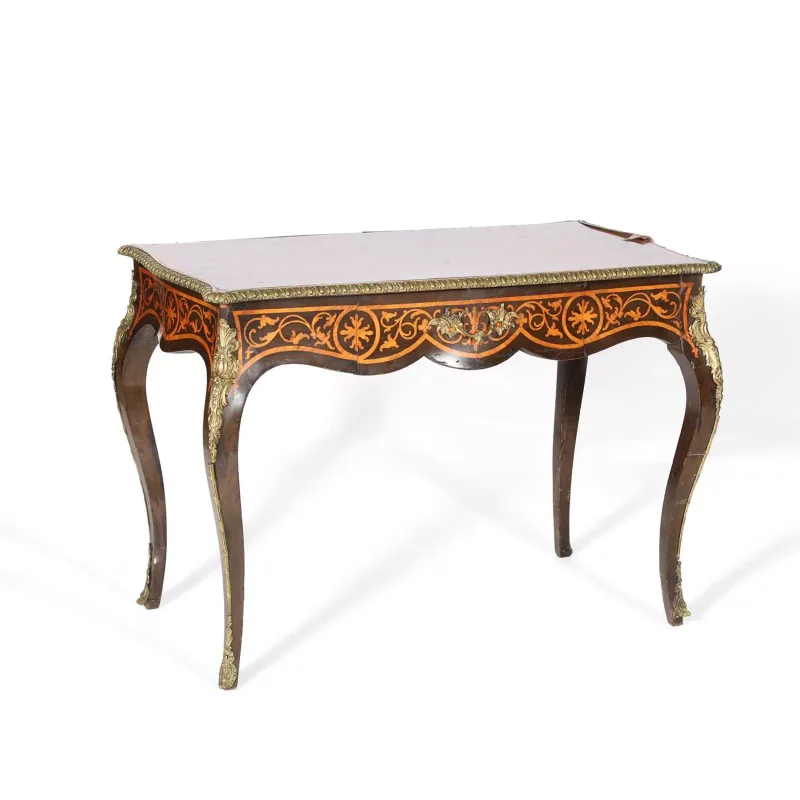
A Louis XV Style Marquetry and Gilt Metal Mounted Centre Table 19th Century
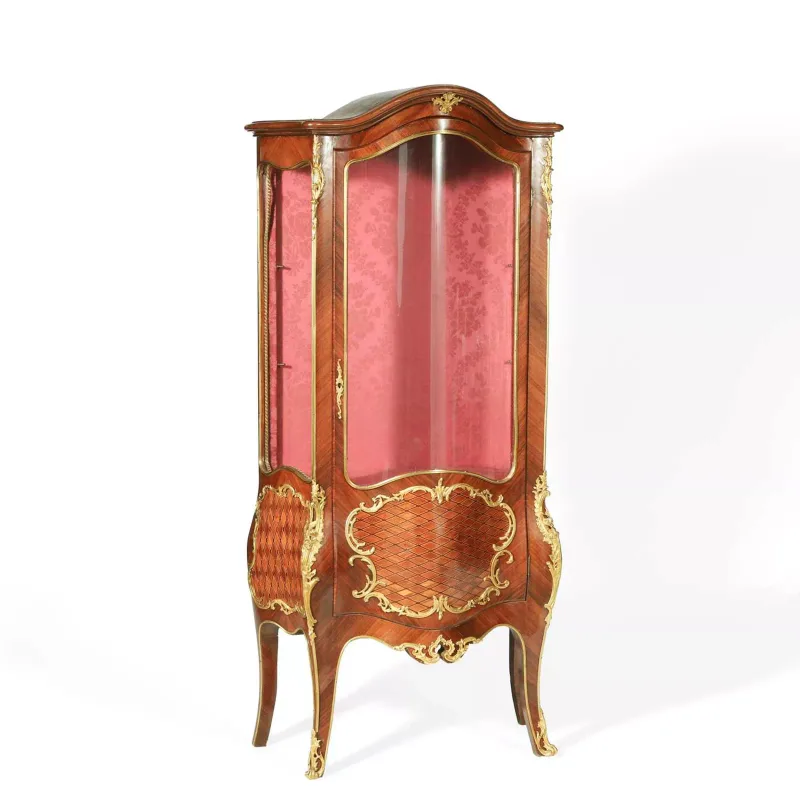
A Louis XV Style Kingwood And Parquetry Gilt Metal Mounted Bombé Vitrine 19th Century the arched pediment above a bowed glass door flanked by glass sides with b
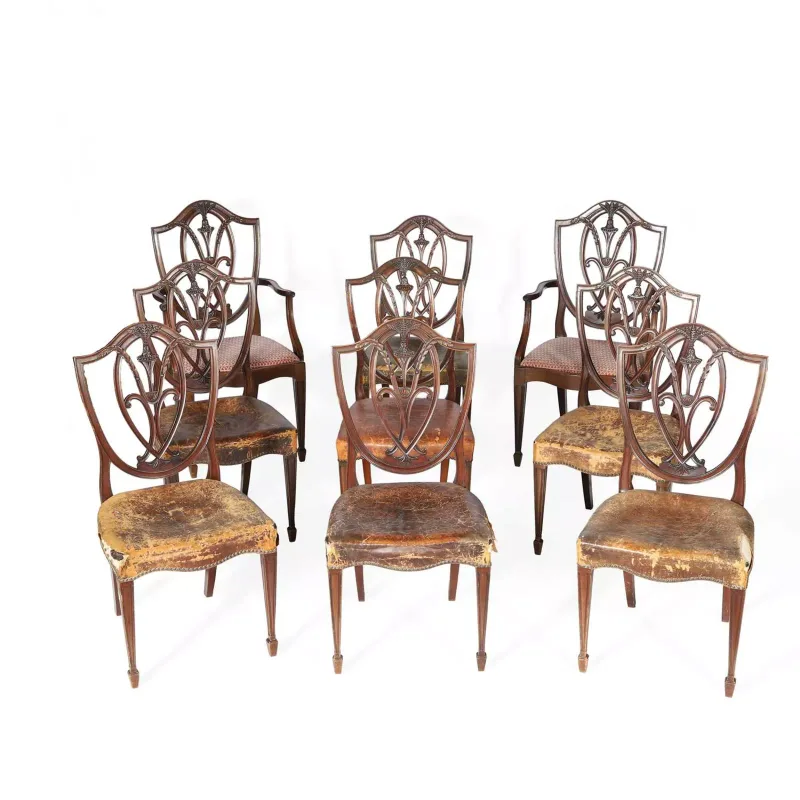
Nine Hepplewhite Style Mahogany Dining Chairs early 20th Century, comprising two armchairs and seven single chairs, each with a shield back
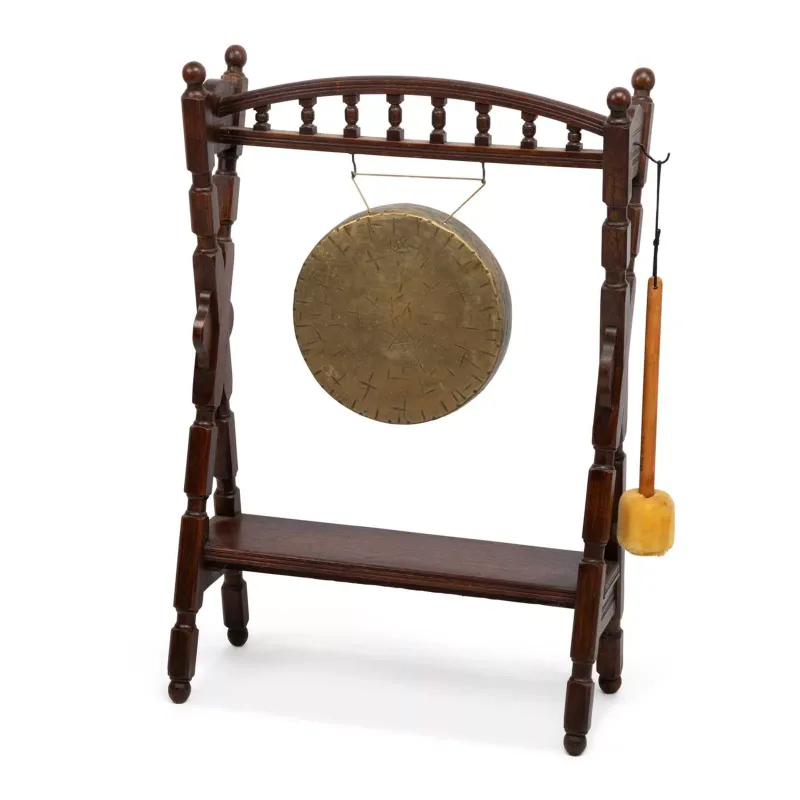
A Dinner Gong On An Oak Stand late 19th Century, the circular brass gong with a turned over rim and a hammered face
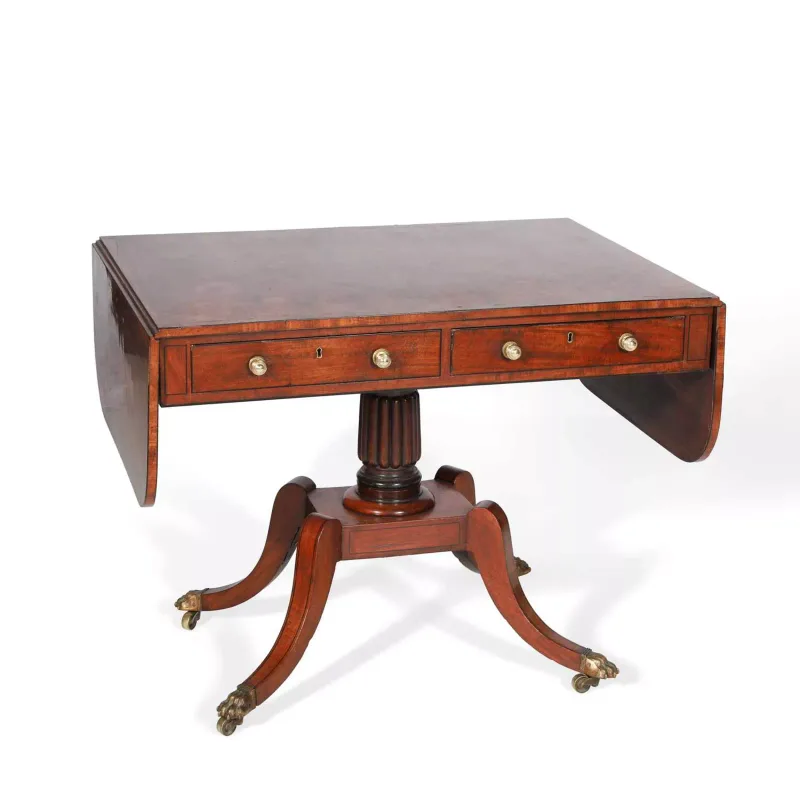
A Regency Mahogany Sofa Table circa 1815
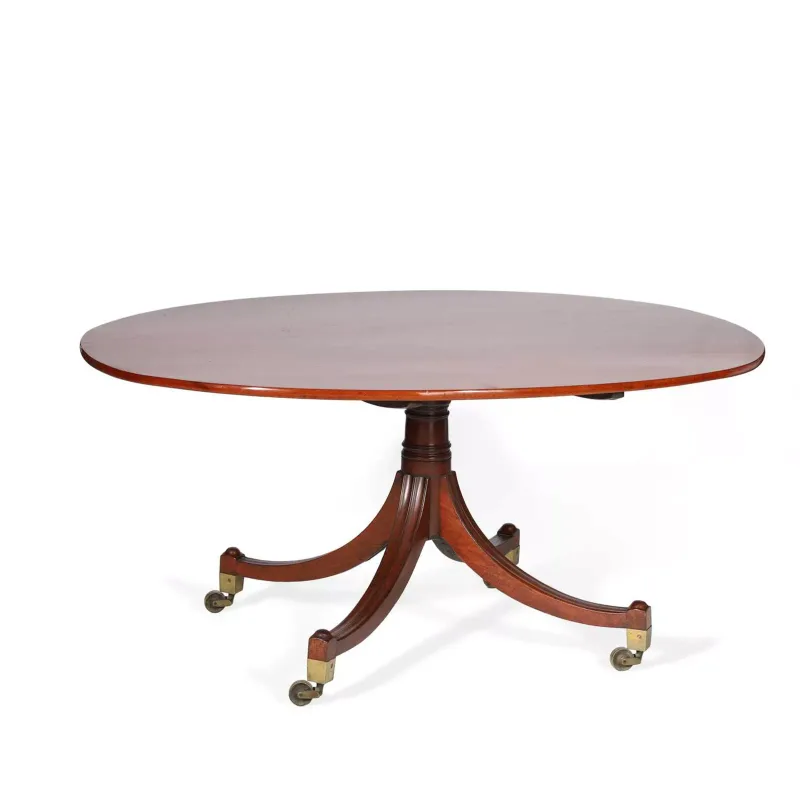
A Regency Mahogany Breakfast Table circa 1820, the oval tilt top upon a turned and reeded column with four downswept reeded legs
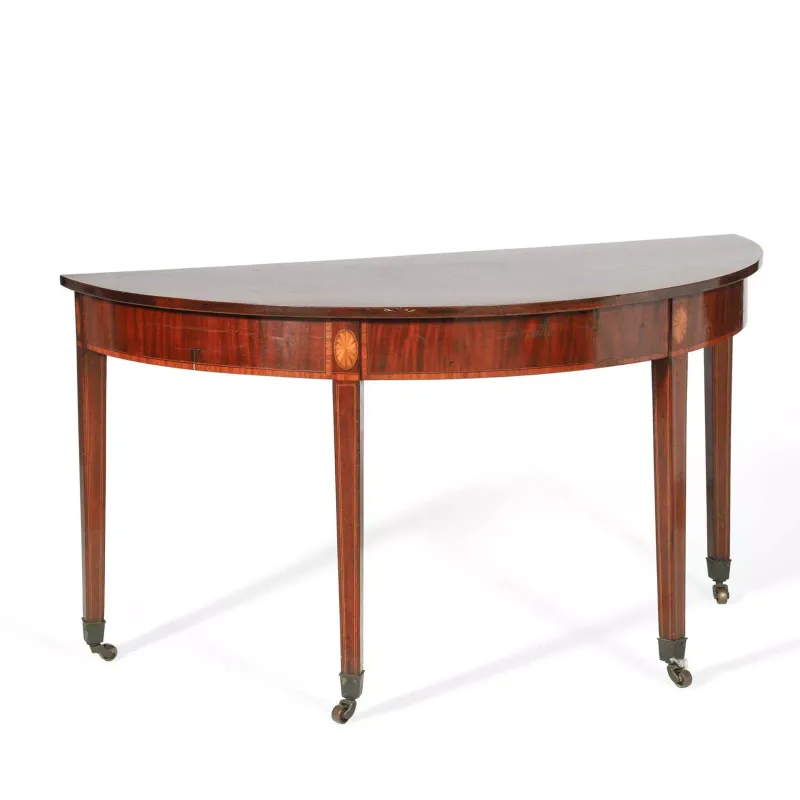
A George III Inlaid Mahogany Console Table of demilune form, upon square tapering legs with brass castors.
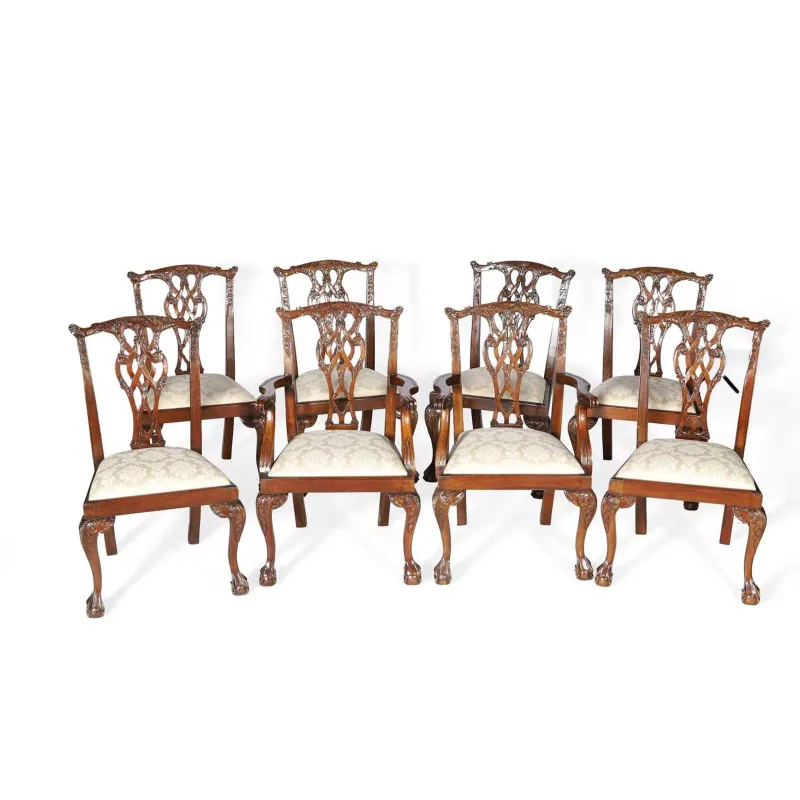
A Set Of Eight George III Style Mahogany Dining Chairs in the Chippendale manner, comprising two armchairs and six single chairs
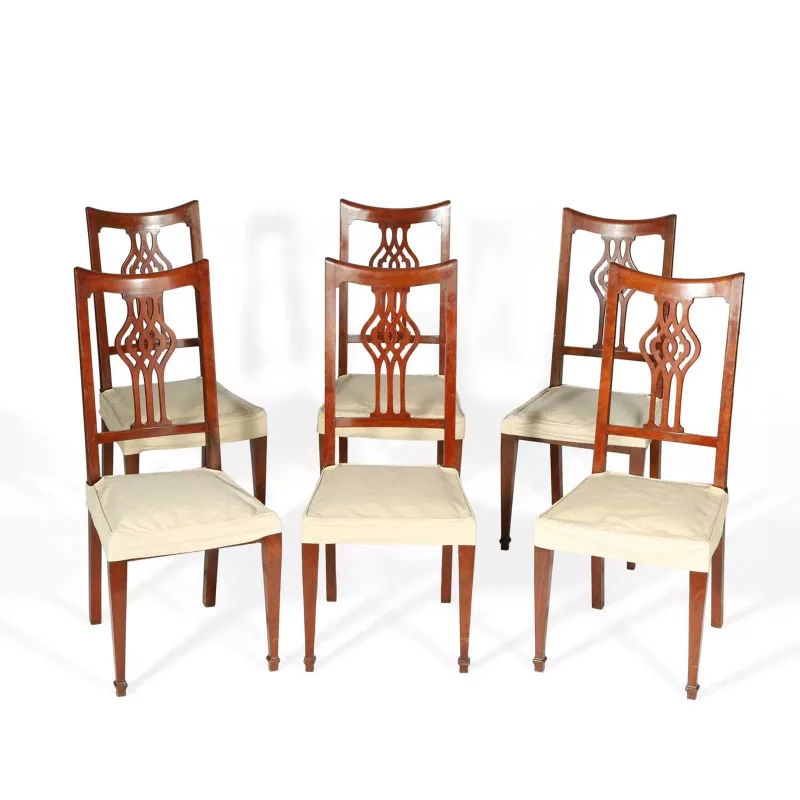
A Set Of Six Edwardian Mahogany Dining Chairs with the label of Morgan & Co, Cardiff, circa 1905
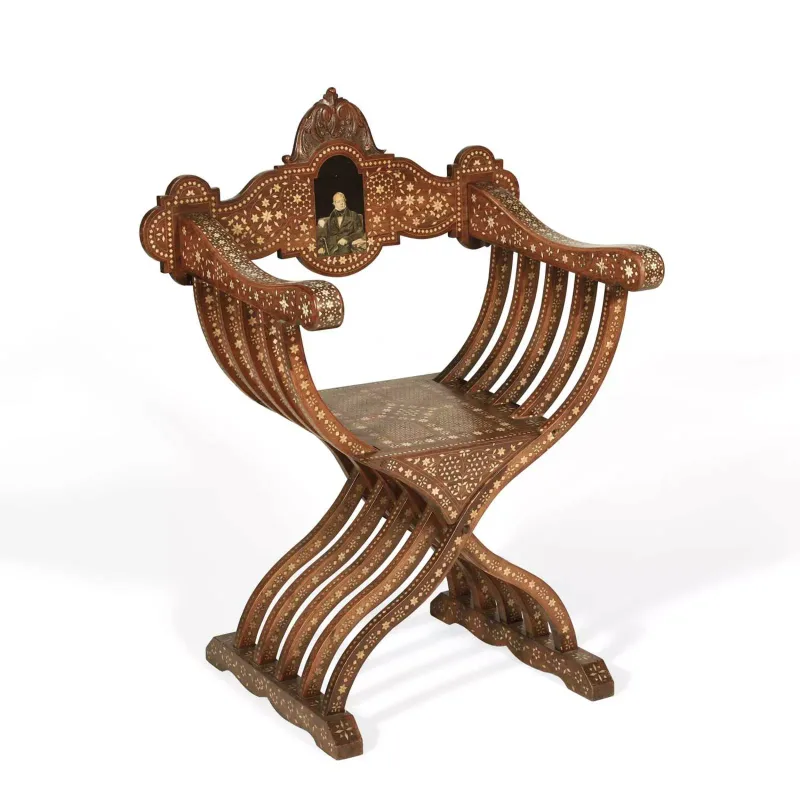
A Bone Inlaid X-Frame Chair 19th Century, of Savonarola form and inlaid throughout with stars and flowerheads
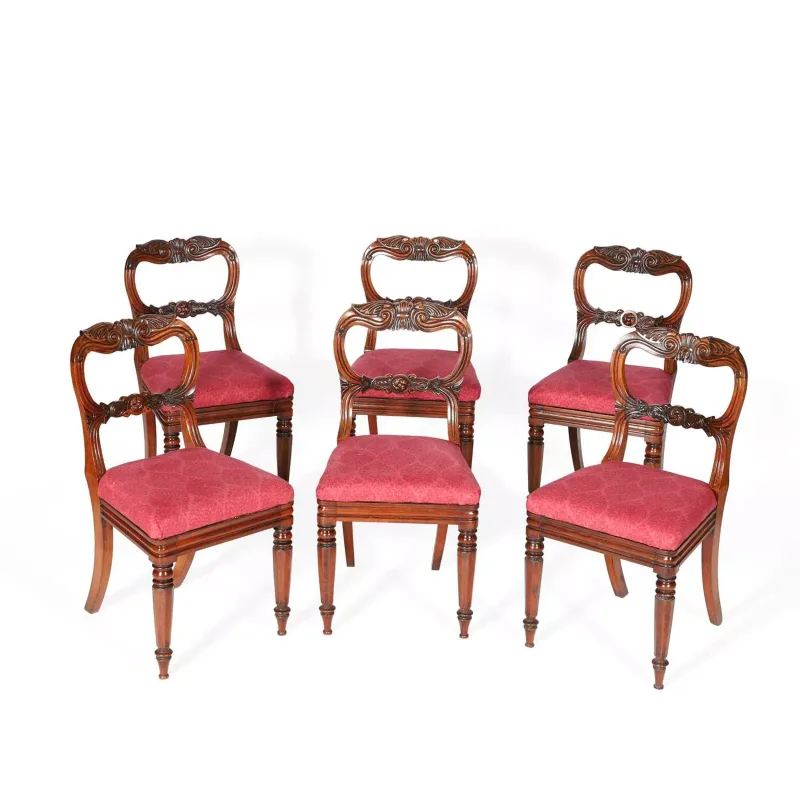
A Set Of Six William IV Rosewood Dining Chairs circa 1835, each with a scroll carved top rail above a conforming mid rail
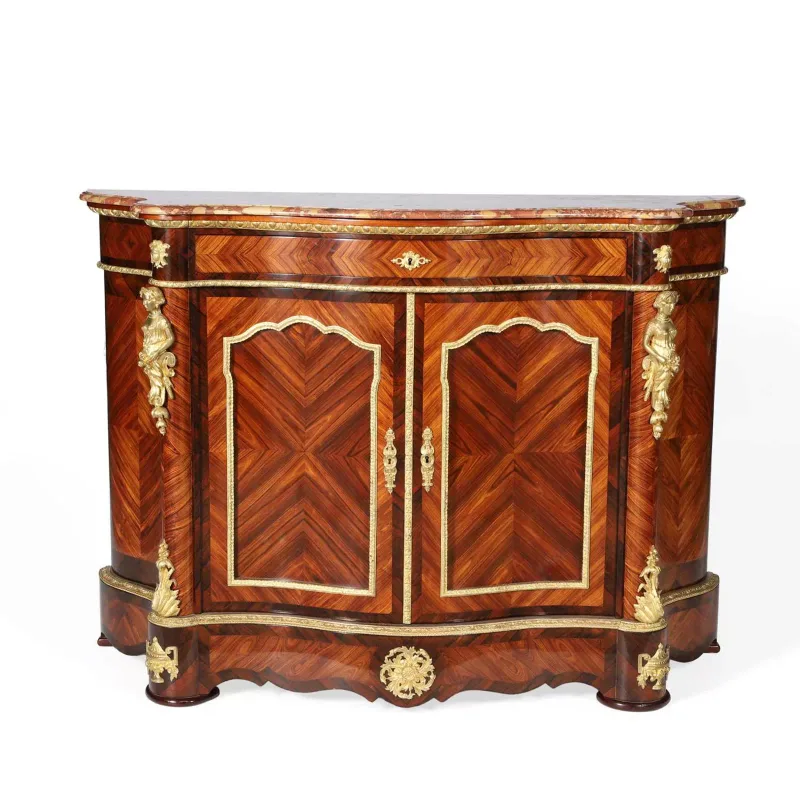
A Louis XV Style Kingwood and Gilt Bronze Mounted Side Cabinet 19th Century
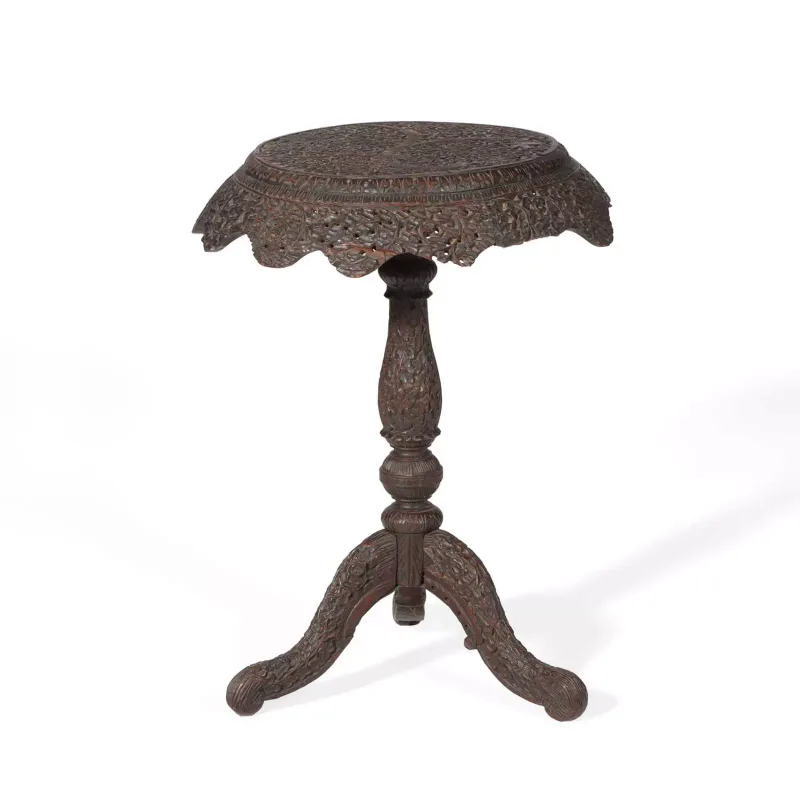
An Indian Carved Hardwood Occasional Table 19th Century, the circular top with a pierced foliate carved border
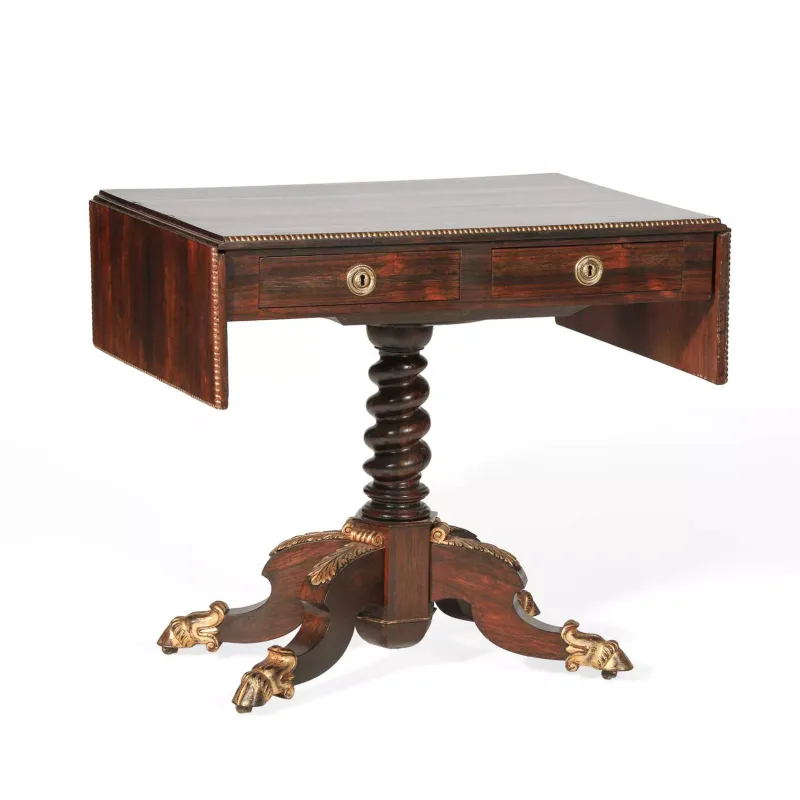
A Regency Style Rosewood Sofa Table the rectangular top with twin drop leaf ends and a beaded edge, above two frieze and two dummy drawers
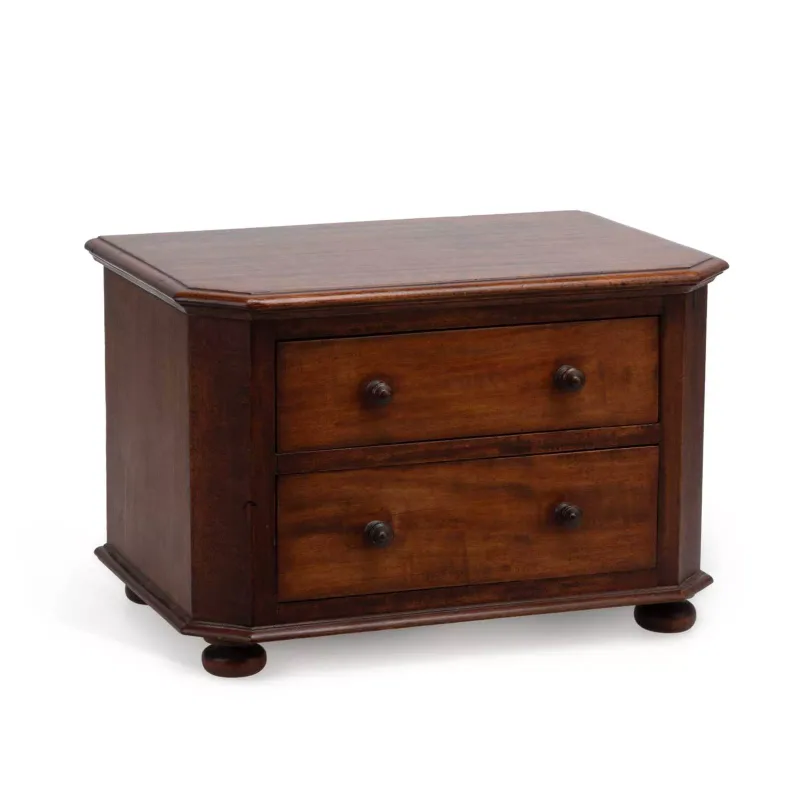
A Victorian Mahogany Miniature Chest Of Drawers mid-19th Century
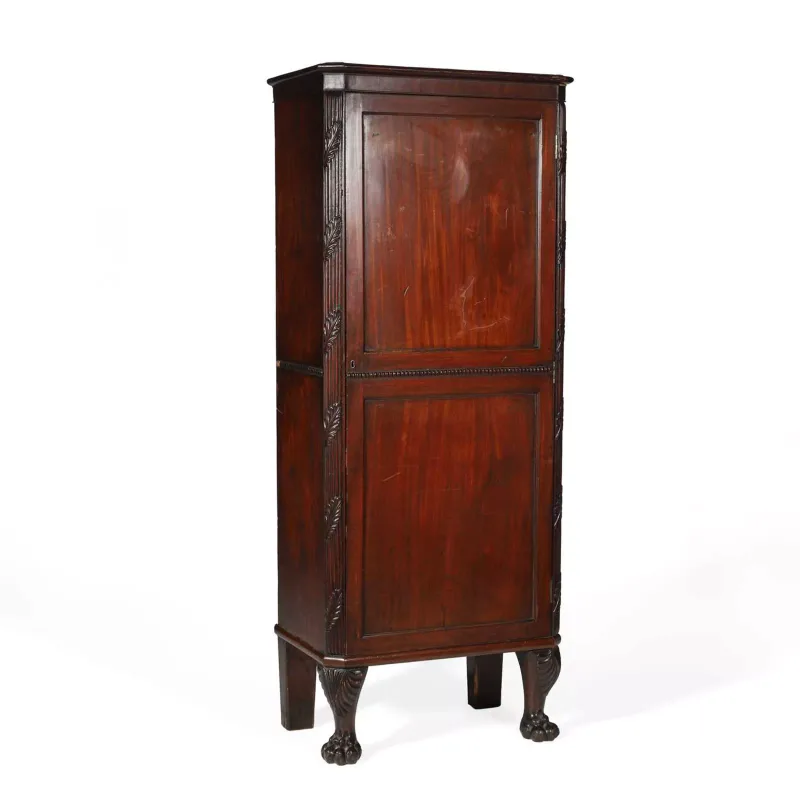
A Mahogany Side Cabinet probably Irish, of tall narrow form with two panelled doors between carved canted angles
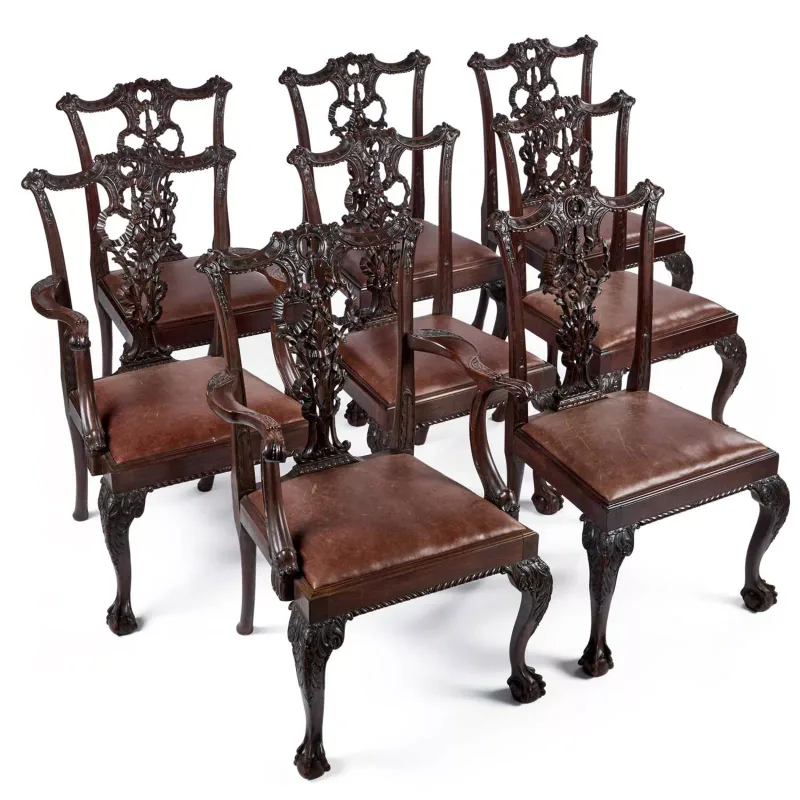
A Set Of Eight Victorian Mahogany Dining Chairs In The Chippendale Taste including a pair of carvers, each with a ribbon-tied splat
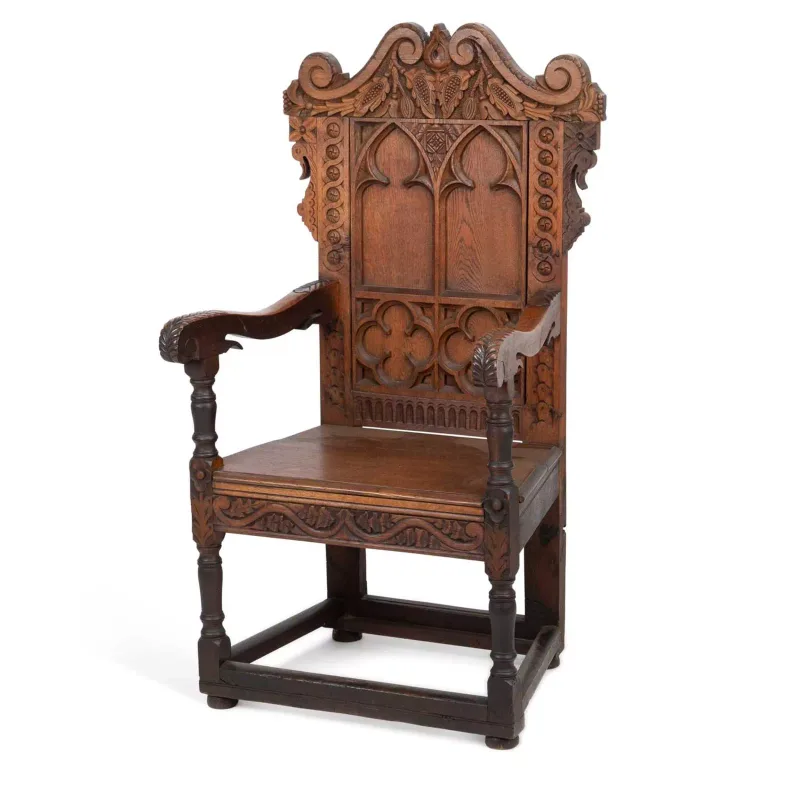
A Carved Oak Armchair 19th Century, in the Gothic taste
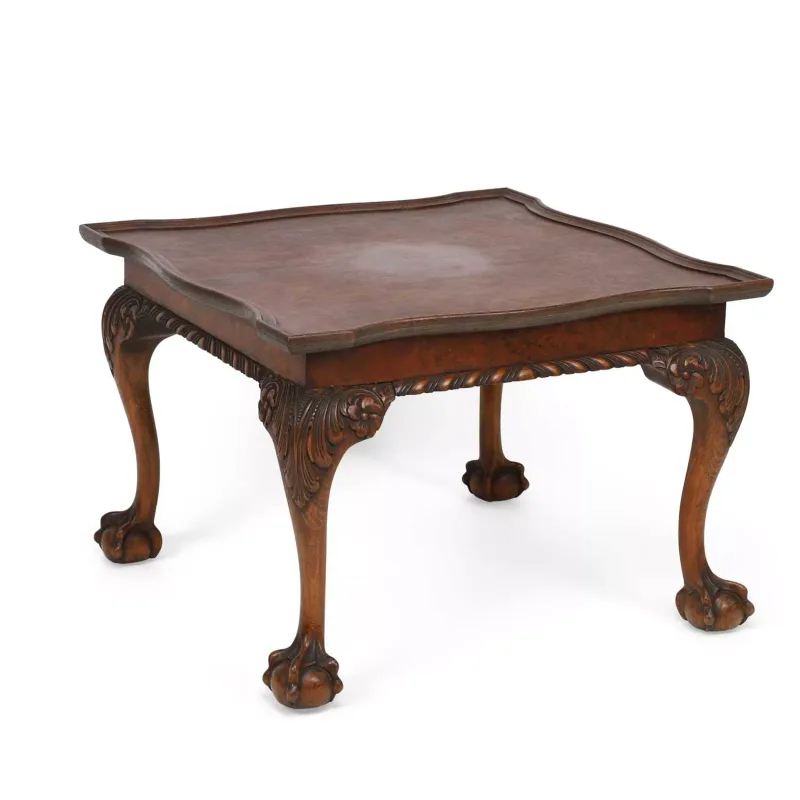
A Walnut Coffee Table 20th Century, in the George II taste, the shaped top within a moulded gallery above a gadrooned frieze
What this category covers
Alongside furniture such as bridal chests, Savonarola chairs, sofas and display cabinets, this category holds the smaller antiques that furnish a period room: mantel, wall and Capucine clocks, Russian and Greek Orthodox icons, crucifixes, reliquaries, altar candlesticks, picture frames and carved or bronze statuettes. Styles range from Neoclassical through Art Nouveau to Art Deco. Most pieces here are between EUR 300 and EUR 2,200.
How items are described
- Era: 1400-1900 for true antiques, 1900-2000 for 20th-century pieces.
- Style: Antique, Art Nouveau, Art Deco and similar period labels. A "style" name can describe a later piece made in an earlier manner, so read the era alongside it.
- Material: wood, bronze, brass, glass or silver, with dimensions in centimetres.
- Origin: country where the piece was made, most often France or Italy.
Reading condition
"Excellent condition: barely used" is rare on old furniture. "Good condition - used with small signs of ageing" is the normal state of a well-kept antique: surface wear, small losses to veneer or gilding, and old repairs. "Fair condition" means heavier use and possibly minor parts missing. Patina is part of the value of an antique; avoid stripping or refinishing it.
What to check
Compare the stated dimensions with your space, including doorways for large pieces. On clocks, the listing may not say whether the movement runs, so plan for a service by a clock restorer. For woodwork, look for signs of old woodworm (small round holes) in the photos, and ask via our contact page if anything is unclear.
Frequently asked questions
What counts as an antique?
The common definition, used by customs authorities in many countries, is an object at least 100 years old. In our listings, pieces with the era 1400-1900 fall clearly into that group. Items labelled 1900-2000 are 20th-century or vintage; some of these are also old enough to count as antiques, while others are later pieces made in a period style.
Does an antique clock in this category work?
Only if the listing says so. Many antique clocks are sold as decorative objects, and even a running movement usually benefits from cleaning and oiling after years of standing. If you want a clock to keep time daily, budget for a service by a specialist clock repairer, who can also check the pendulum, suspension spring and any missing keys.
What is a Russian icon and how is it made?
An Orthodox icon is a religious image, traditionally painted in egg tempera on a wooden panel prepared with gesso, sometimes covered with a metal cover called an oklad or riza. Icons show Christ, the Mother of God, saints or church feasts. Age is judged from the panel, the painting technique and wear; cracks and small losses to paint are normal on older examples.
Should I restore or refinish antique furniture?
Generally not heavily. The original surface, colour and patina contribute a large part of an antique's character and value. Cleaning with a mild wax, tightening loose joints and repairing structural problems is sensible. Full stripping and refinishing usually lowers value, so if work is needed, choose a furniture restorer who uses reversible, traditional methods.