Rugs & Home Textiles
Hand-knotted carpets, flat-woven kilims and Moroccan Berber rugs from India, Türkiye, Pakistan, Afghanistan and beyond. Every rug is a single piece with its size, pile material and condition listed.
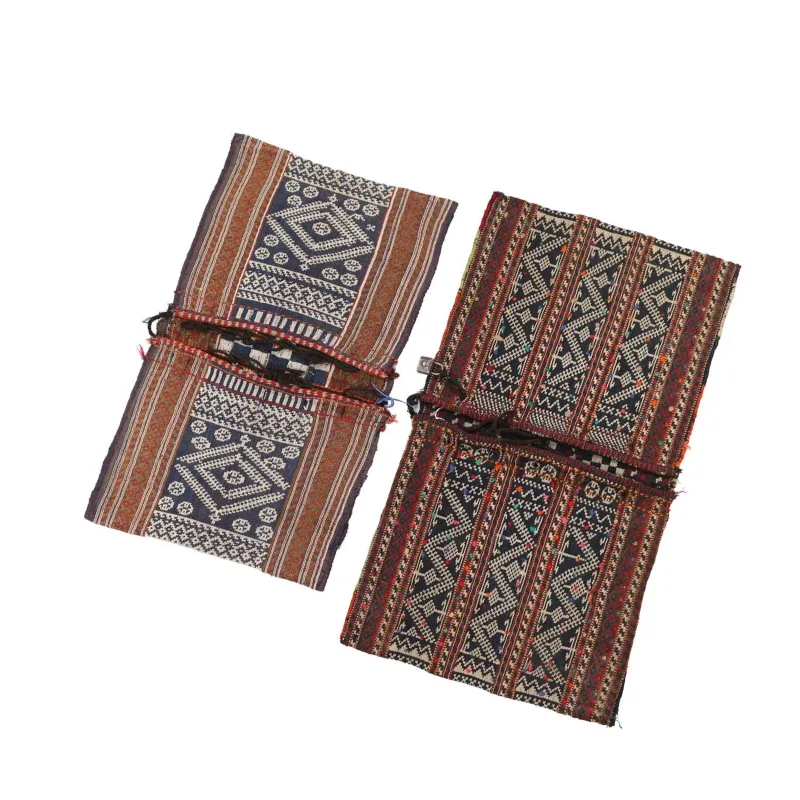
Two South Persian Flatwoven Double Bags early 20th Century
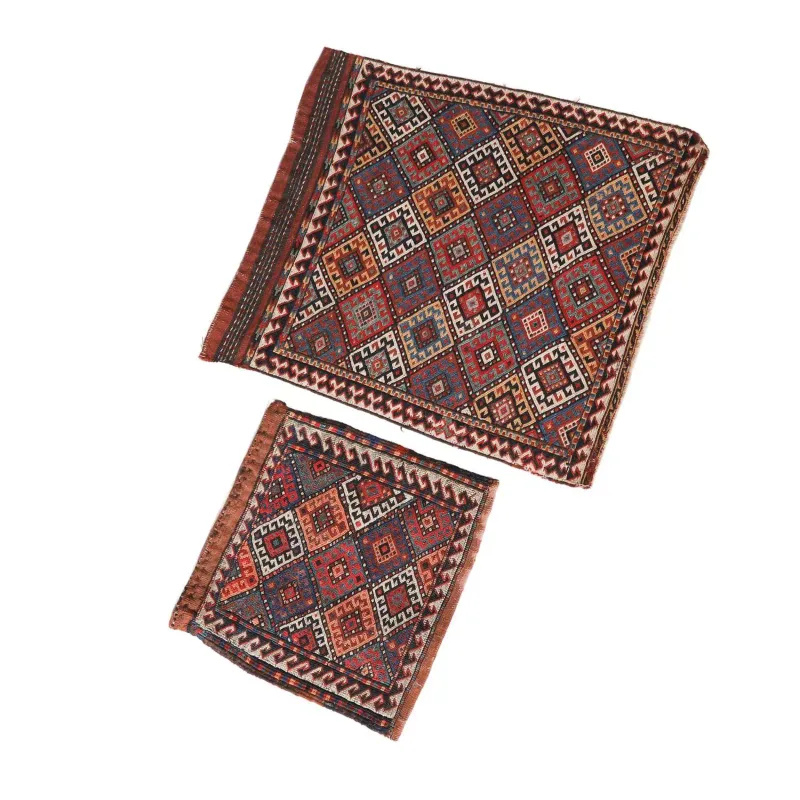
Two Shahsavan Soumak Bags North West Persian, early 20th Century, comprising a complete bag and a bag face
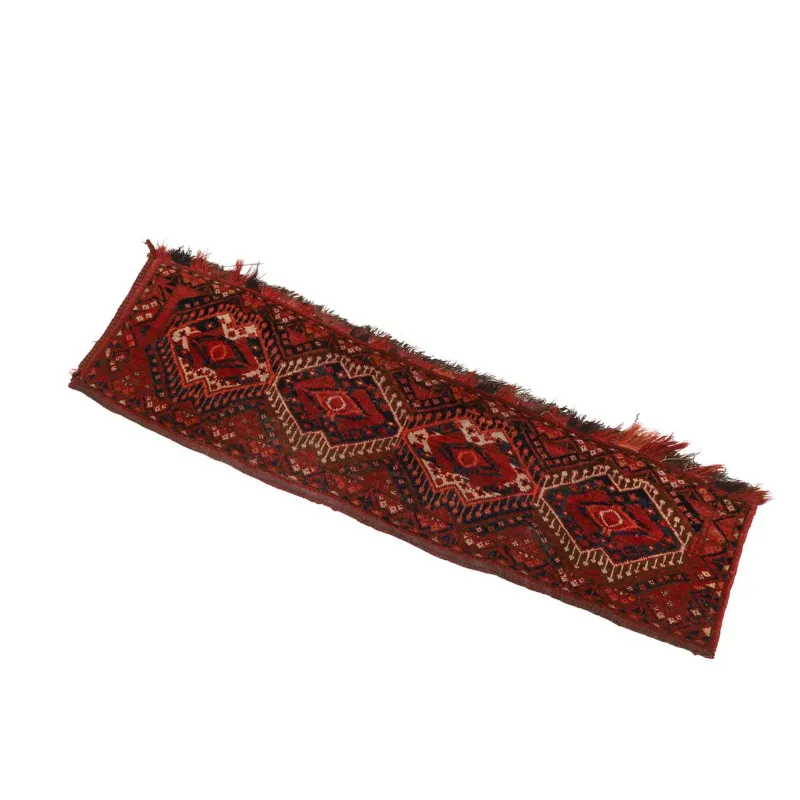
A Turkmen Torba
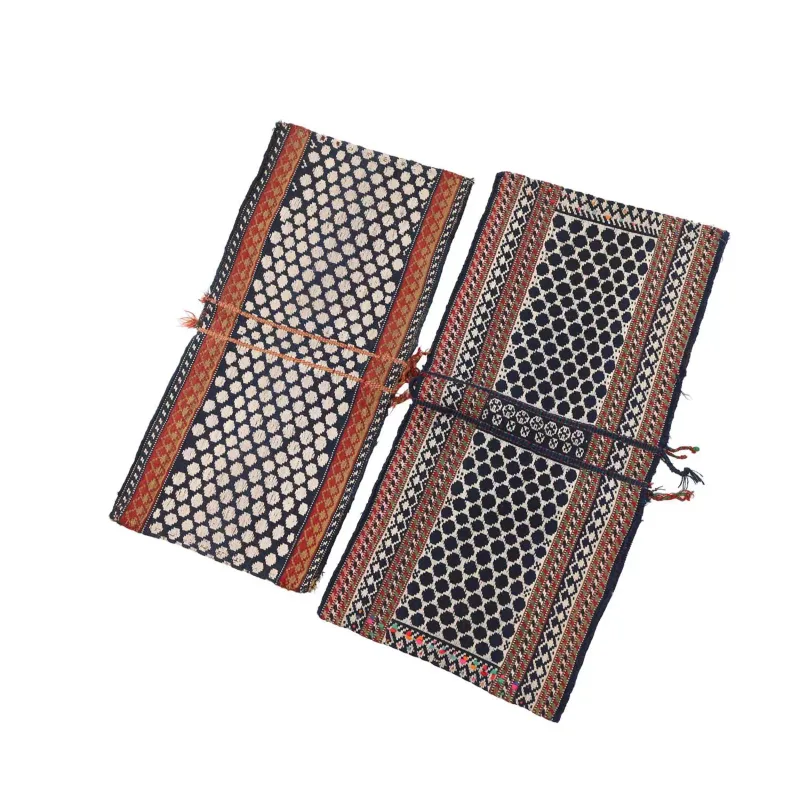
Two South Persian Flatwoven Double Bags early 20th Century, probably Qashqai, each brocaded with a lattice of ivory flowerheads on an indigo ground
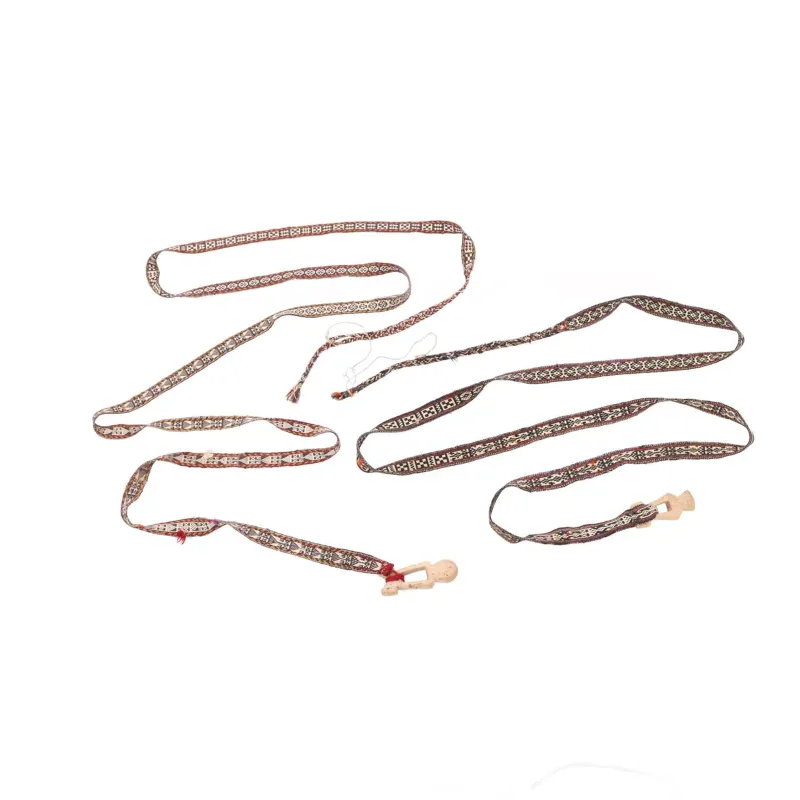
Two Central Asian Tablet-Woven Camel Straps early 20th Century, each narrow band woven with a continuous geometric design in red, ivory and brown
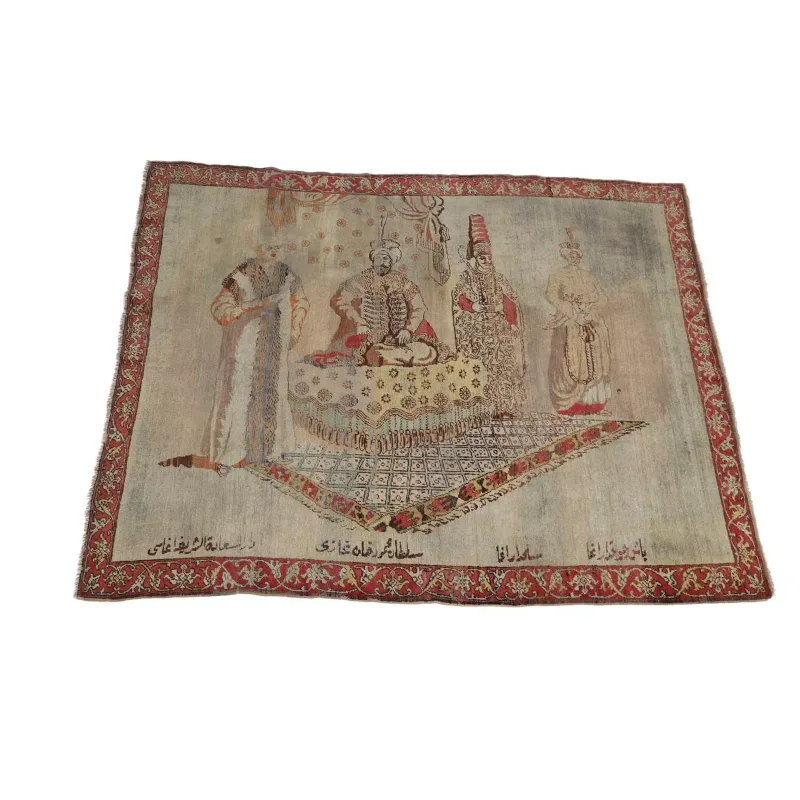
A Turkish Pictorial Rug woven with a court scene, the sultan seated beneath a canopy and attended by courtiers, with
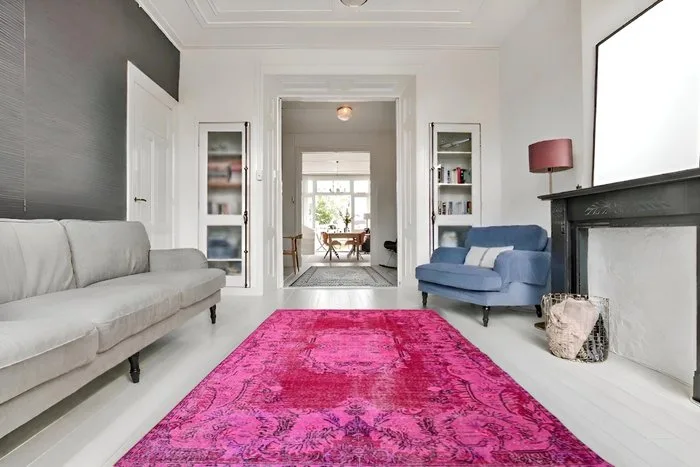
XL Pink vintage - Rug - 310 cm - 190 cm - with certificate
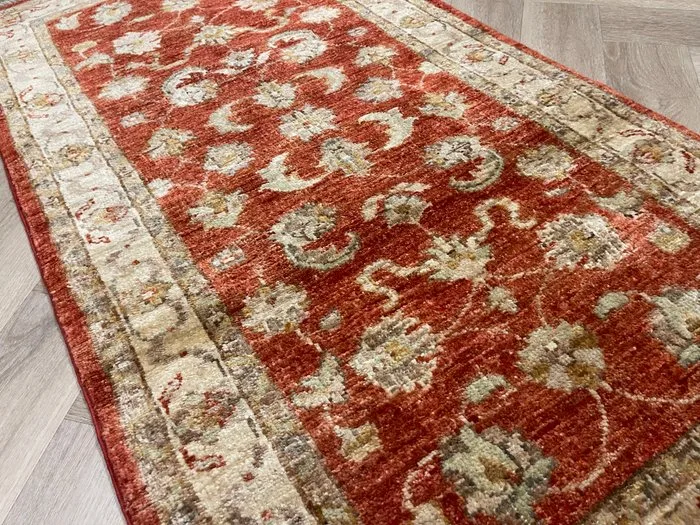
Ziegler-Unused - Carpet - 140 cm - 72 cm
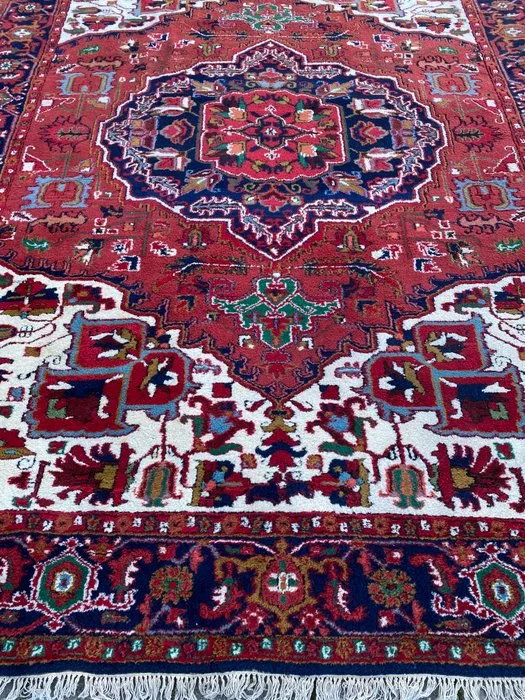
Heriz - Cleaned - Carpet - 352 cm - 254 cm
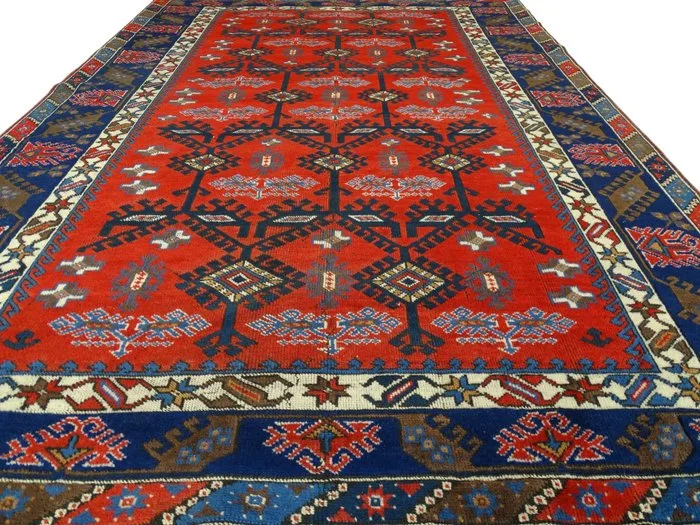
Dosemalti - Cleaned - Rug - 276 cm - 196 cm
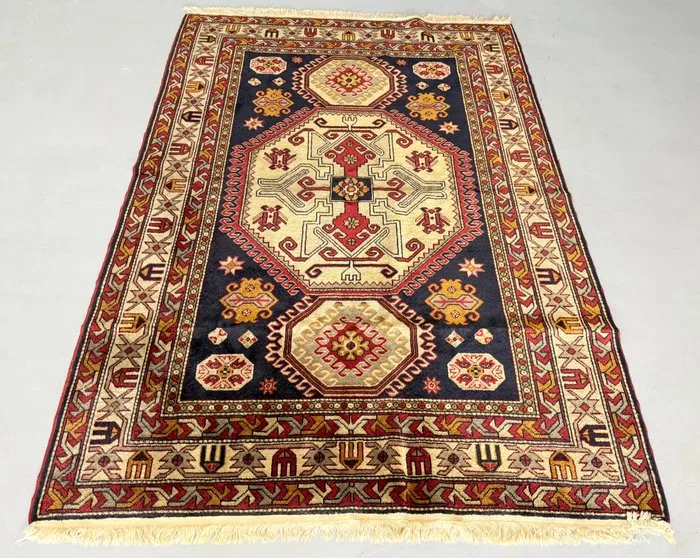
Borchali Kazak - Carpet - 229 cm - 155 cm
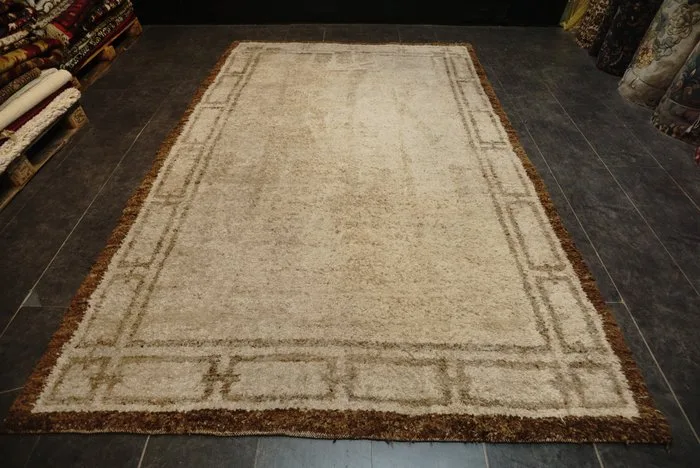
Berber - Carpet - 295 cm - 200 cm
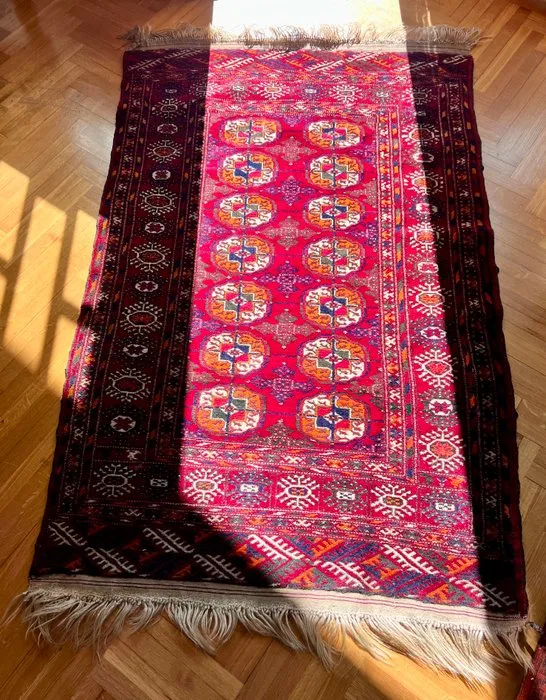
Buchara - Carpet - 150 cm - 100 cm
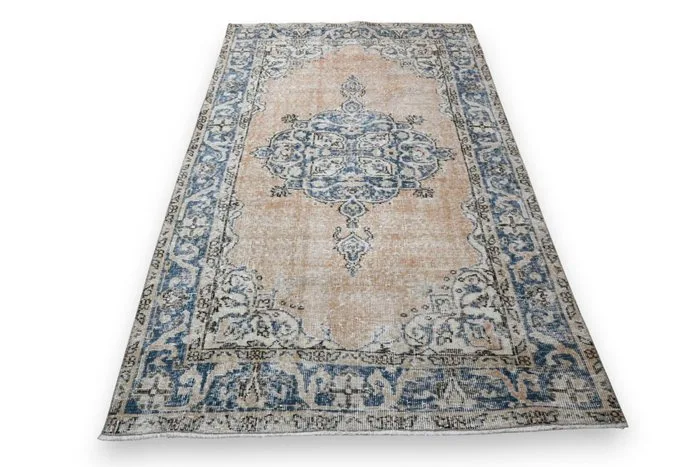
Classic vintage - Rug - 190 cm - 115 cm - with certificate
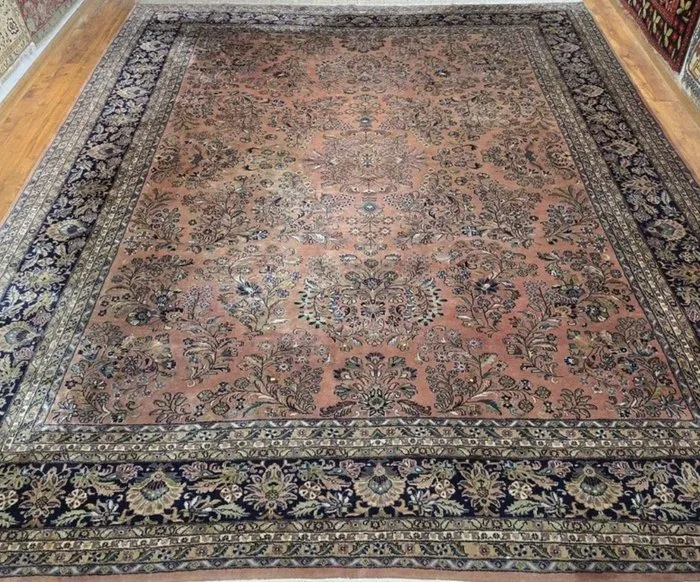
Sarouck - Rug - 400 cm - 300 cm
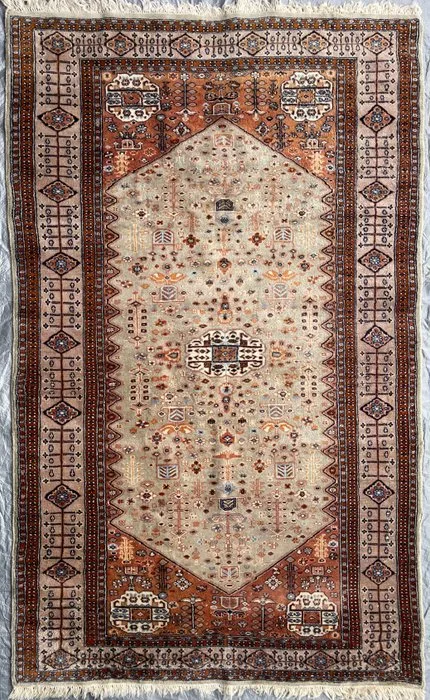
Pakistan Art Carpet - Cleaned - Carpet - 197 cm - 122 cm
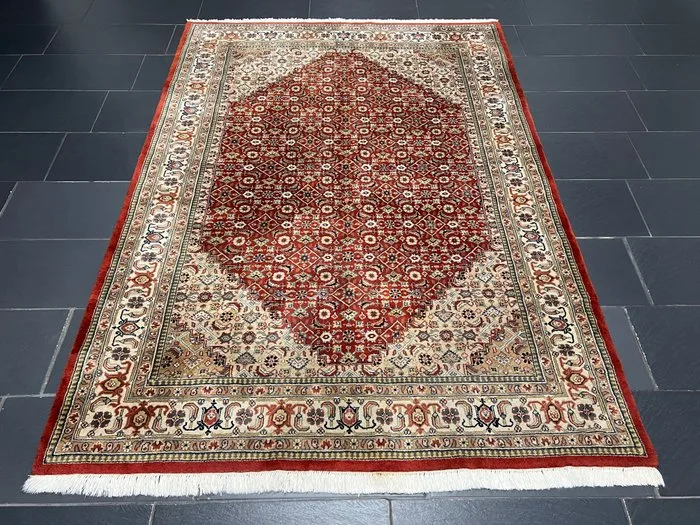
Tabriz - Rug - 240 cm - 170 cm
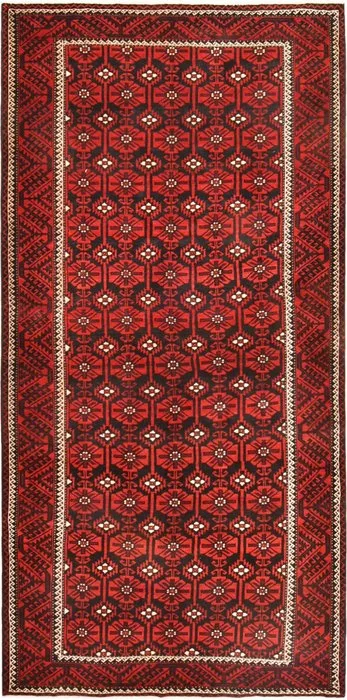
Rug - 312 cm - 155 cm - Afghan Balouch
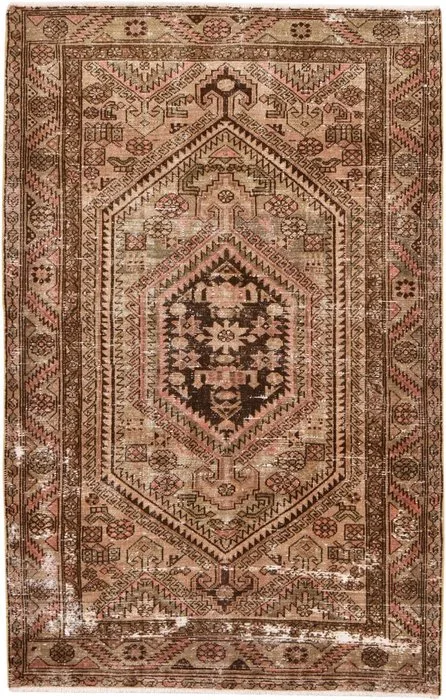
Rug - 200 cm - 133 cm - Designer rug
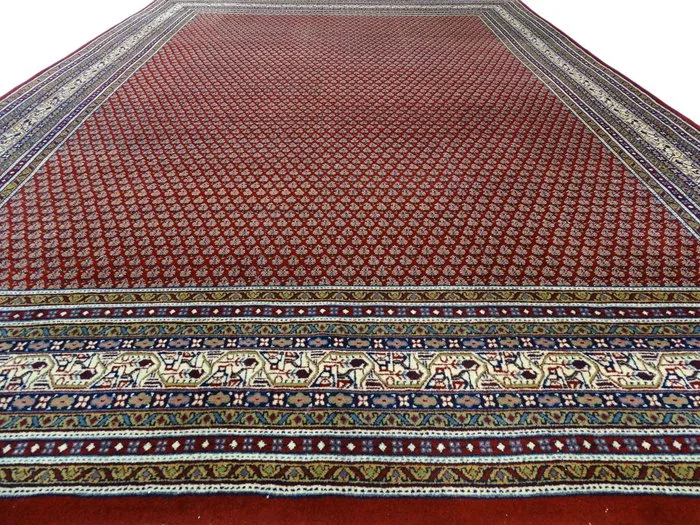
XL-Mir - Cleaned - Rug - 351 cm - 249 cm
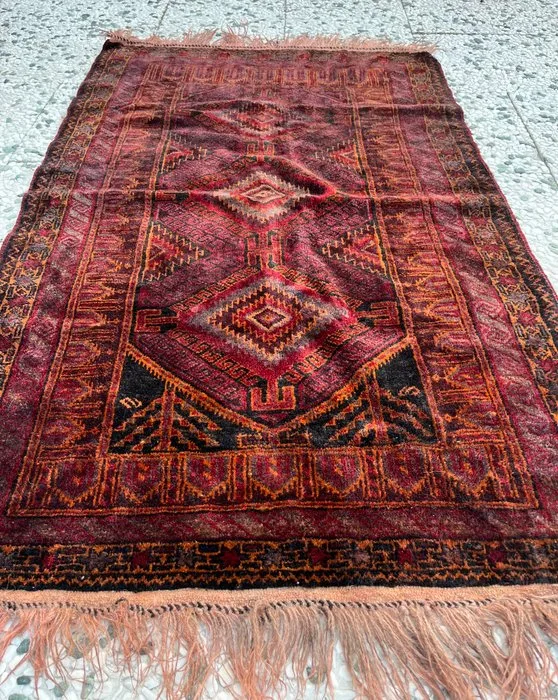
Carpet - 172 cm - 98 cm
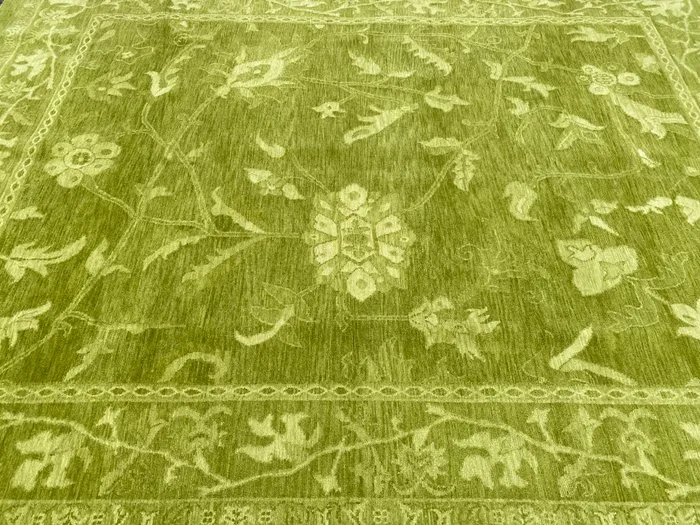
Designer Art Mabesa - Unused - Carpet - 320 cm - 245 cm
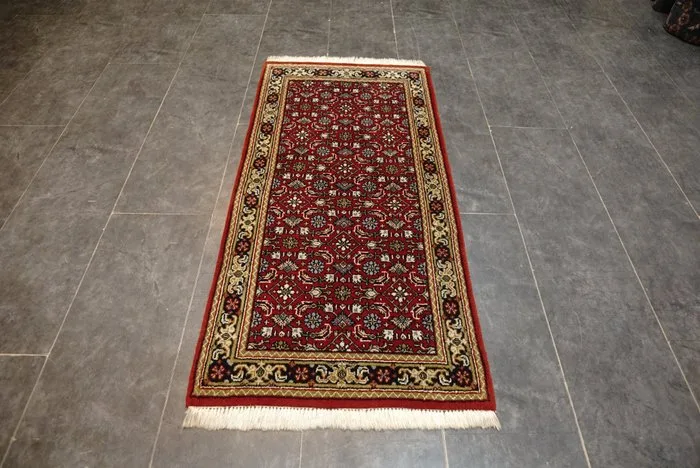
Tabriz - Carpet - 140 cm - 70 cm
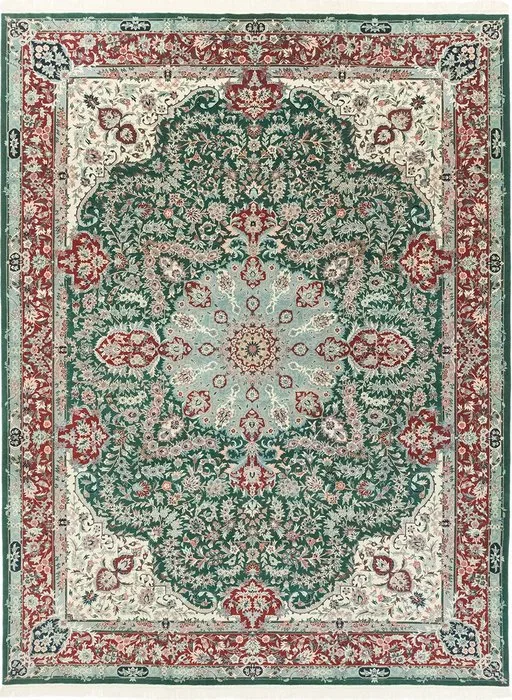
Isfahan - New - Large Format - Rug - 365 cm - 274 cm - Oriental carpets
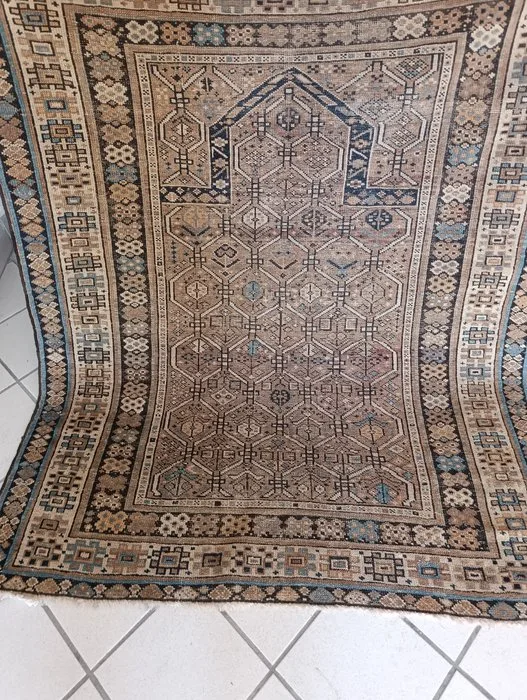
Shirvan Marasali carpet, Caucasus, antique, 19th century. - Carpet - 140 cm - 110 cm
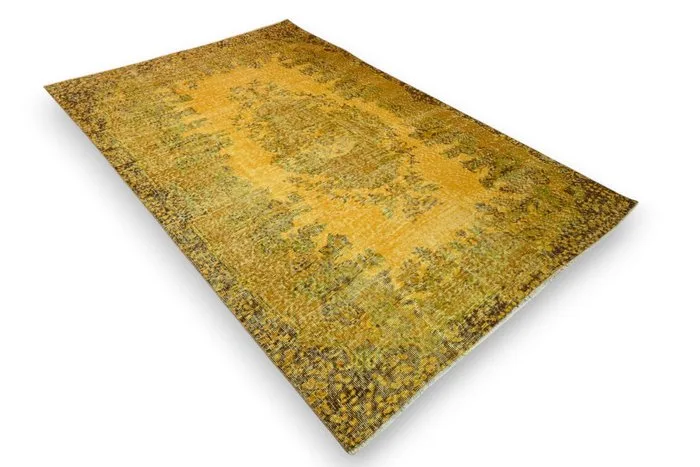
Yellow vintage - Rug - 270 cm - 175 cm - with certificate
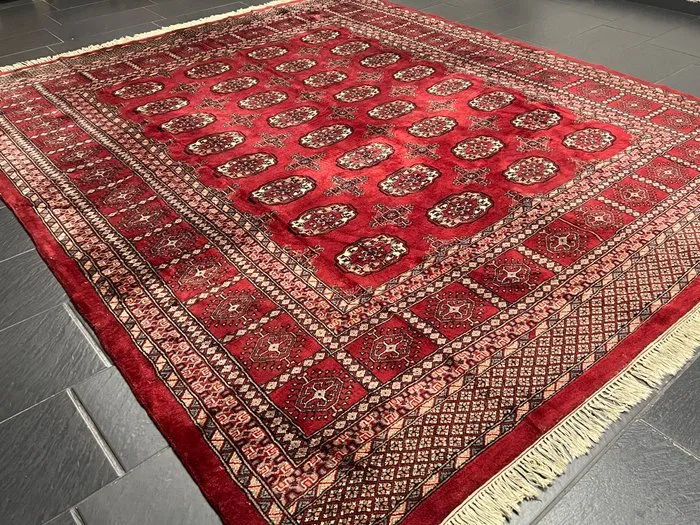
Buchara - Carpet - 300 cm - 255 cm
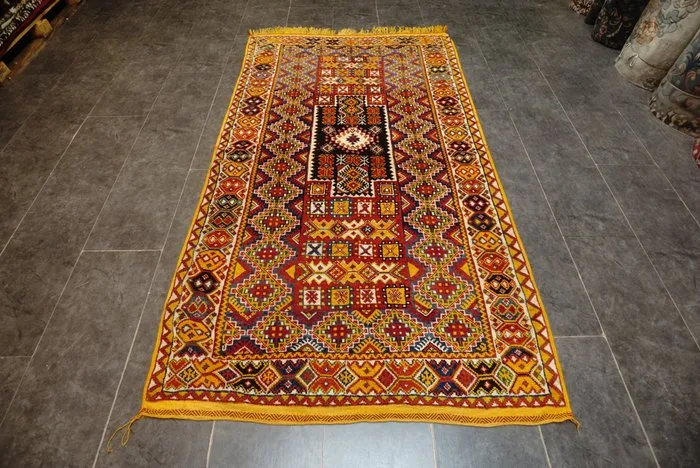
Morocco - Carpet - 240 cm - 135 cm
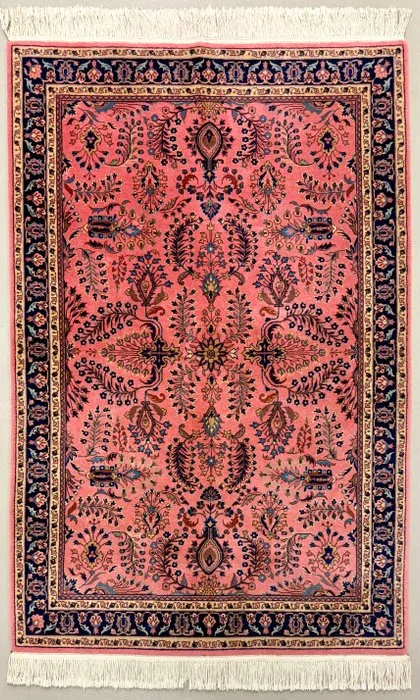
Sarouck - Rug - 187 cm - 124 cm
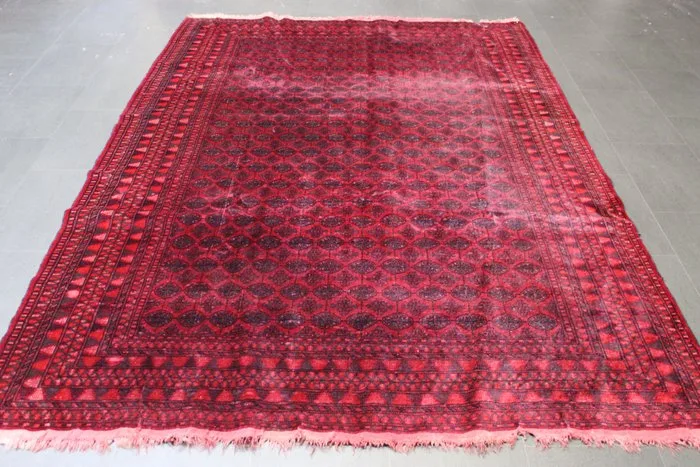
Afghan - Rug - 185 cm - 196 cm
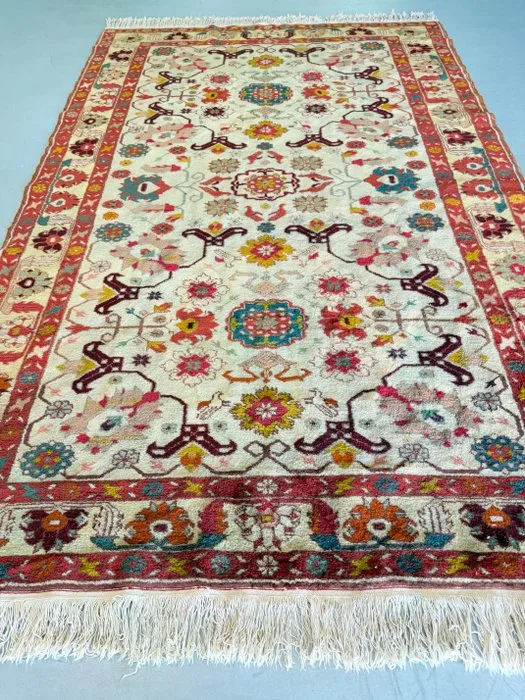
Shirwan Rug Russia - Carpet - 235 cm - 140 cm
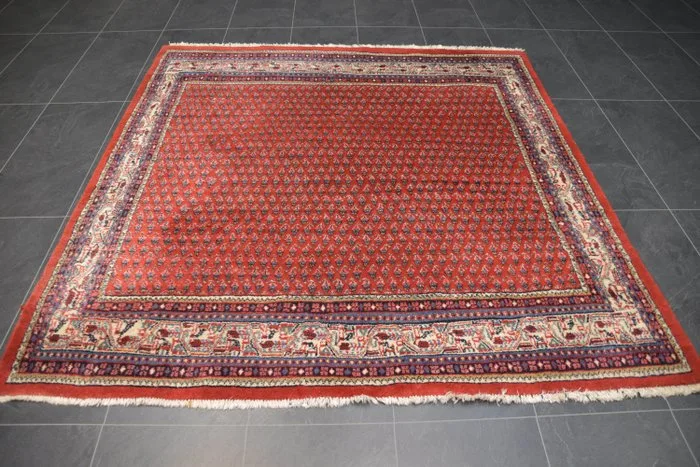
Sarouk Mir - Runner - 220 cm - 212 cm
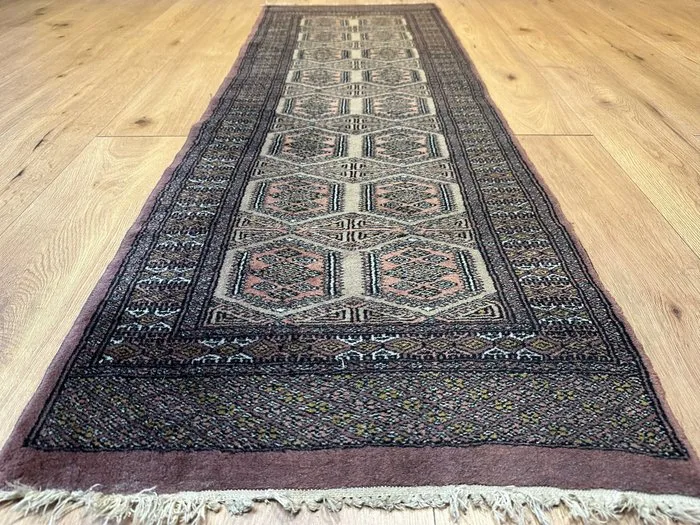
Noble Bukhara Runner - Hand-knotted Work of Art with Classic Tekke Motifs - Rug - 185 cm - 62 cm
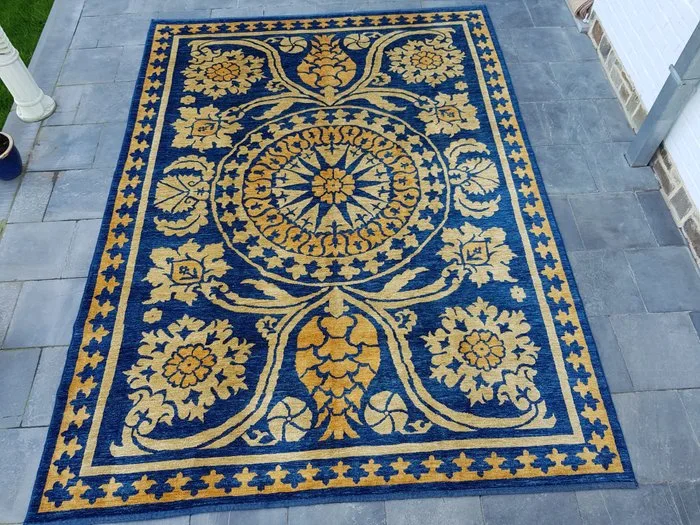
Choubi - Carpet - 350 cm - 255 cm
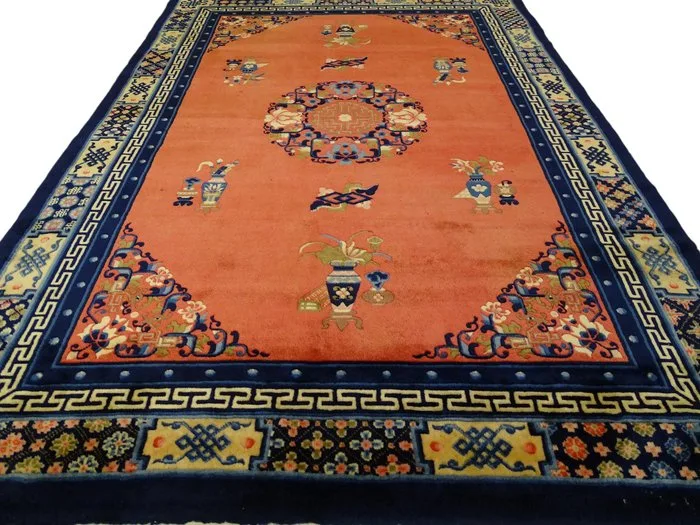
Baotau - Cleaned - Rug - 210 cm - 140 cm
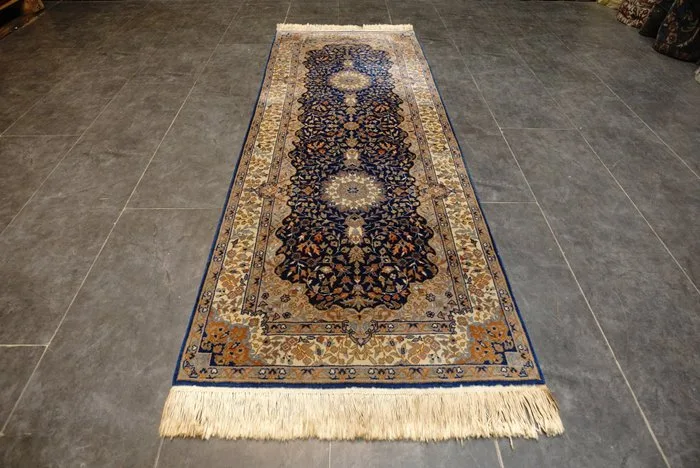
Isfahan - Carpet - 204 cm - 81 cm
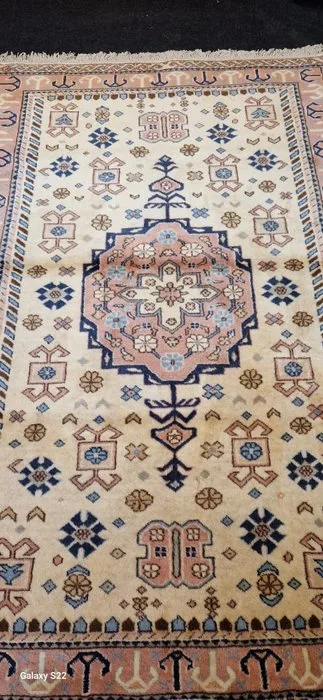
Kars Kazak - Rug - 210 cm - 142 cm
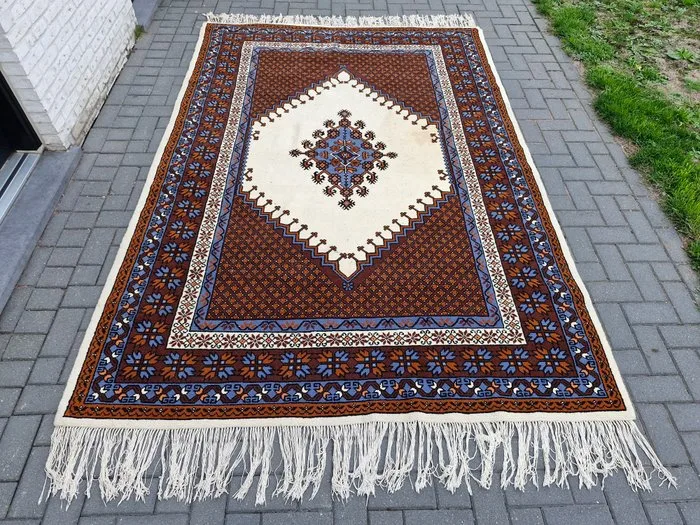
Carpet - 300 cm - 200 cm
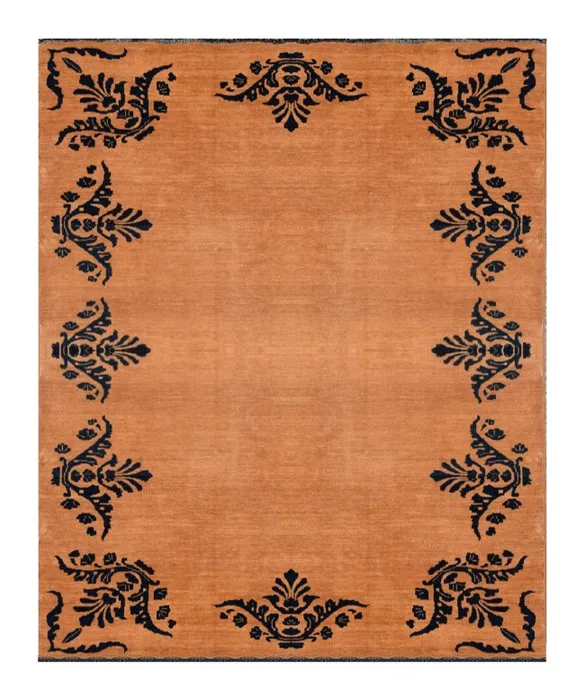
picture - Rug - 295 cm - 200 cm
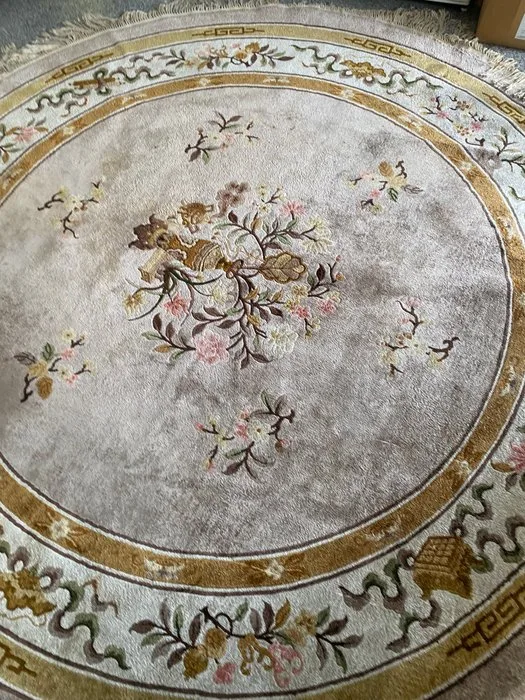
China - Carpet - 250 cm - 250 cm
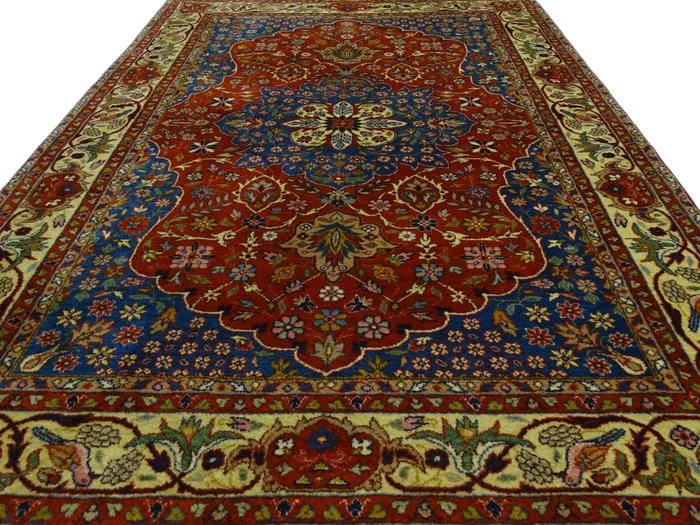
Keshan - New & Unused - Rug - 159 cm - 99 cm
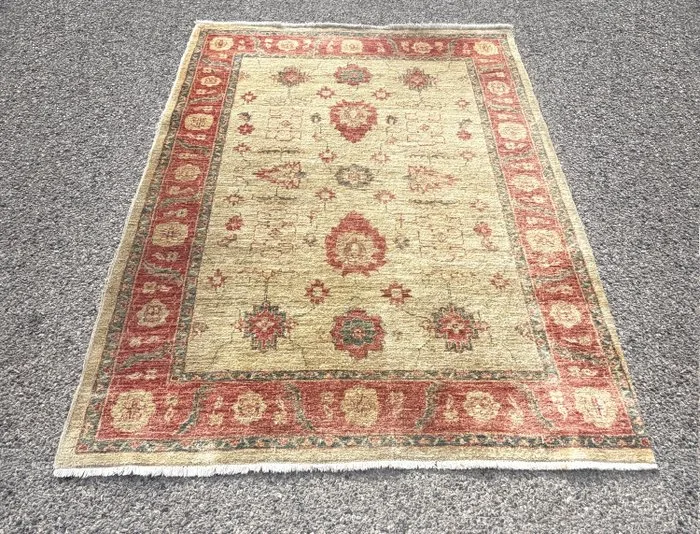
Chobi noué à la main - Ziegler - Rug - 254 cm - 193 cm
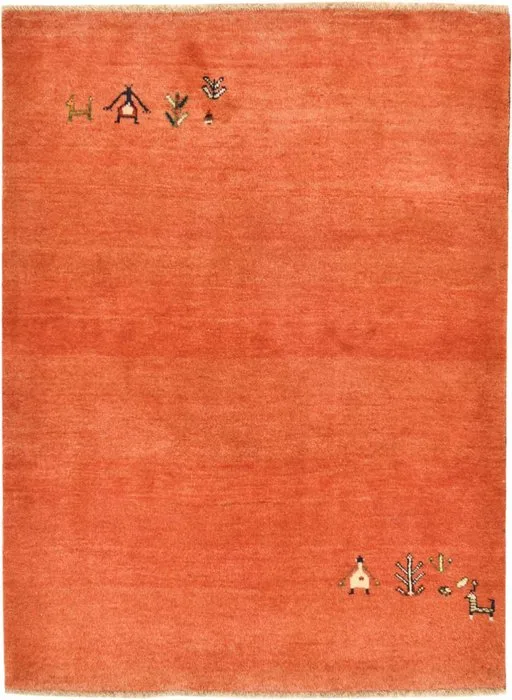
Gabbeh - Rug - 177 cm - 130 cm - Indo-Gabbeh
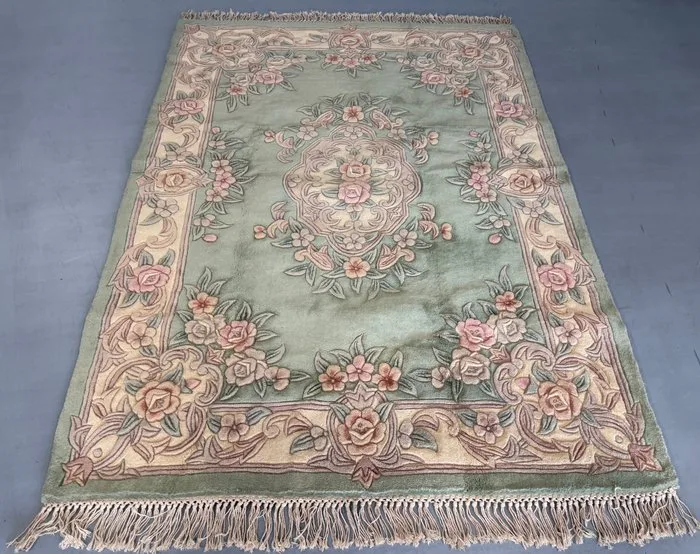
China Peking Aubusson - Carpet - 200 cm - 140 cm
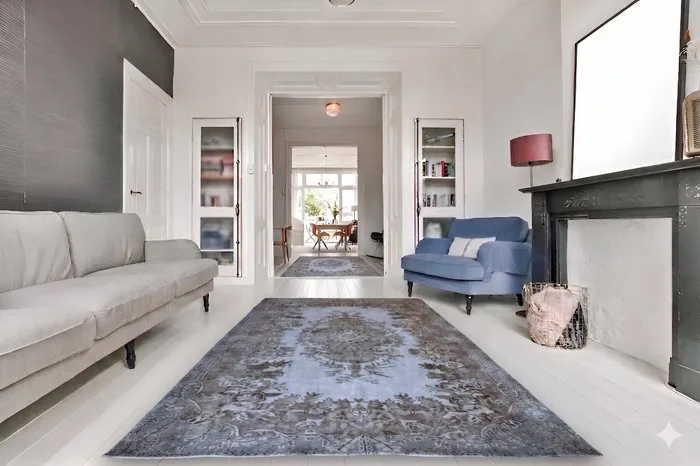
Blue-gray vintage - Rug - 280 cm - 175 cm - Guaranteed handmade
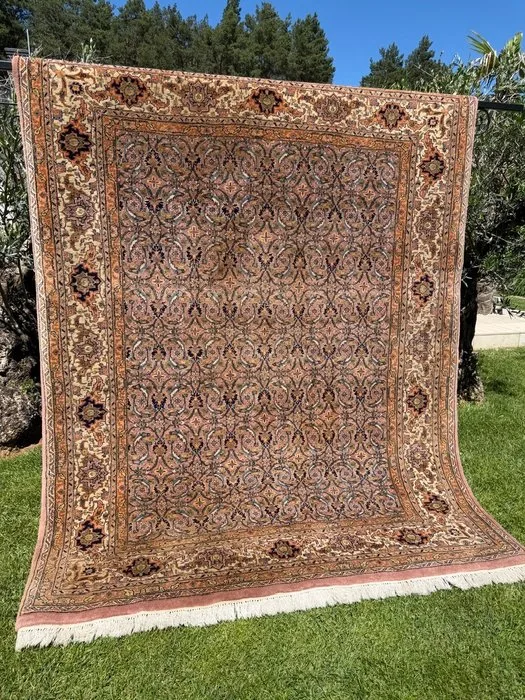
Top Indo Bidjar - Carpet - 270 cm - 200 cm
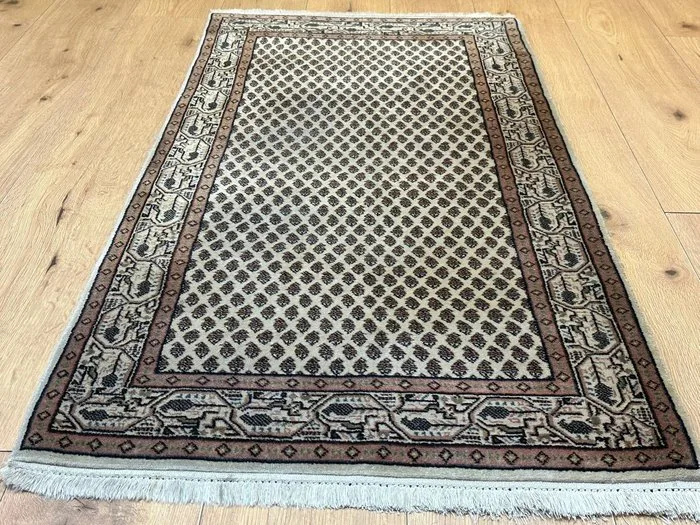
Classic Sarough Mir rug - Hand-knotted work of art with an allover Boteh pattern - Carpet - 135 cm - 70 cm
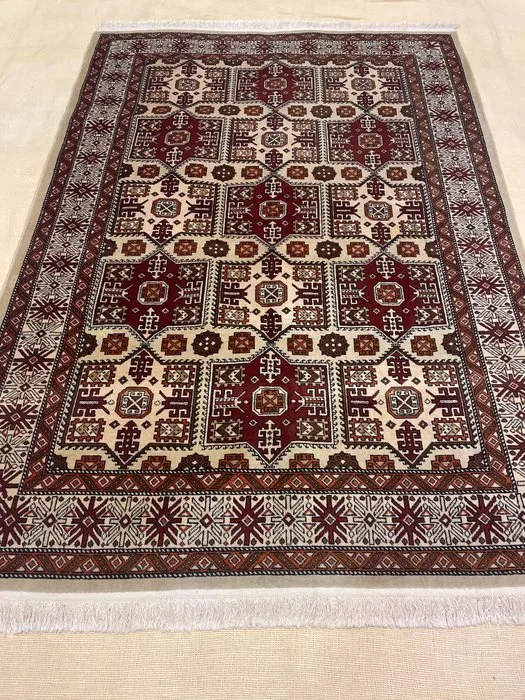
Azeri - Carpet - 196 cm - 138 cm - Caucasian Azeri carpet
What you will find here
Most pieces are hand-knotted pile carpets in classic Persian designs made across the rug belt: Ziegler, Kashan (Keshan), Sarough Mir, Tabriz, Bukhara, Herati and Gabbeh patterns, plus flat-woven kilims and thick Moroccan Berber rugs. Alongside them are silk and silk-blend carpets and a smaller range of home textiles such as fabric lengths. Most rugs here are between EUR 390 and EUR 3,200 depending on size, knot density and materials.
How to read a listing
- Material: given as pile on foundation. Wool on cotton is the most common and hard-wearing; wool on wool is typical of tribal and nomadic work; silk on cotton and silk on silk give a finer, shinier surface but suit low-traffic rooms.
- Origin: where the rug was made. An "Indo" name (Indo Keshan, Indo Mir) means a Persian design woven in India.
- Era: 1900-2000 for older and vintage pieces, After 2000 for newer work.
- Size: length and width in centimetres, without the fringe unless stated.
Condition terms
"As new - unused" means the rug has not been laid. "In very good condition" allows light, even use. "Good condition with traces of ageing and usage" can mean lower pile in walkways, small repairs or faded dyes, which is normal on an older carpet. Look at every photo, especially the back and the edges.
Before you buy
Measure the room and allow roughly 30-60 cm of bare floor around the rug. Use an underlay on hard floors. Check whether the listing mentions a recent clean, and plan for professional cleaning rather than home washing, especially for silk.
Frequently asked questions
What is the difference between a hand-knotted rug and a kilim?
A hand-knotted rug has a pile: short lengths of wool or silk are tied individually onto the warp threads and trimmed, giving a soft, raised surface. A kilim is flat-woven, so the pattern is formed by the weft threads with no pile at all. Kilims are thinner, lighter and often reversible, while knotted rugs are heavier, warmer underfoot and usually last longer in busy rooms.
What does "wool on cotton" mean in a rug description?
It describes the pile and the foundation. The first material is the pile you walk on, the second is the warp and weft underneath. Wool on cotton is the most common construction: the cotton foundation keeps the rug flat and its shape stable, while the wool pile is durable and easy to live with. Wool on wool is softer in shape and typical of tribal weaving.
What is an Indo Keshan or Indo Mir rug?
The "Indo" prefix means the rug was woven in India using a design that originated in Persia, such as Keshan (Kashan) or Sarough Mir. These rugs are hand-knotted in the same way as their Persian namesakes, usually in wool on cotton, and are a common way to get a traditional Persian pattern in a larger size at a lower price.
Are silk carpets suitable for everyday use?
Silk carpets have a very fine knot and a strong sheen, but silk is less resilient than wool and marks more easily. They suit bedrooms, studies or wall display better than hallways or dining areas. Keep them out of strong direct sunlight, avoid shoes on them where possible, and have them cleaned professionally rather than washed at home.