Ceramics & Glass
Porcelain, earthenware, art glass and crystal from Meissen, KPM Berlin, Richard Ginori, Daum, Saint Louis, Murano and more, with Art Nouveau tiles and early drinking glasses.
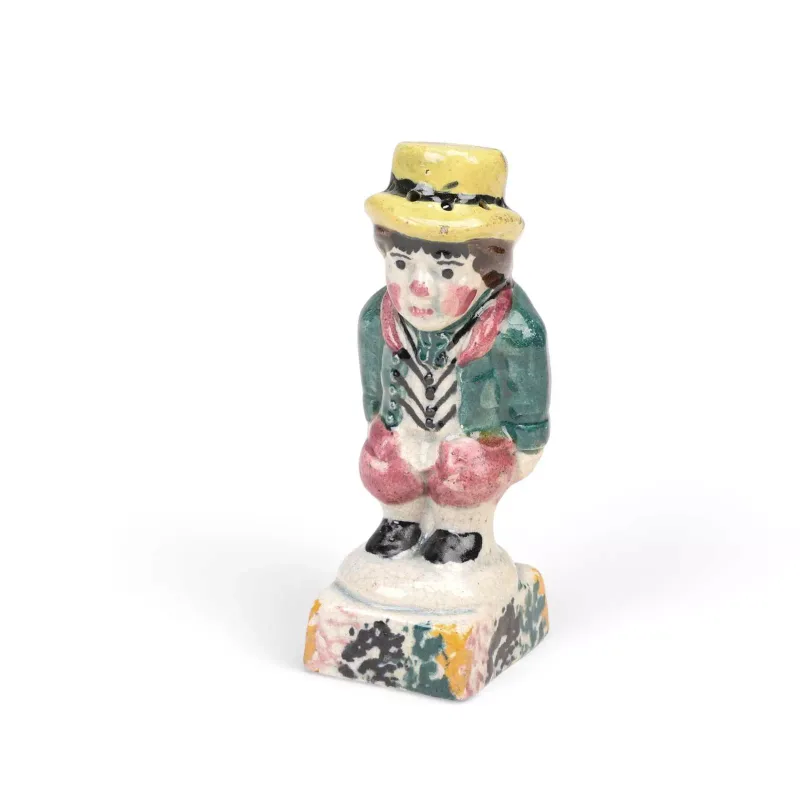
A Prattware Pepper Pot early 19th Century, modelled as Roger Giles standing in a yellow hat with a black band
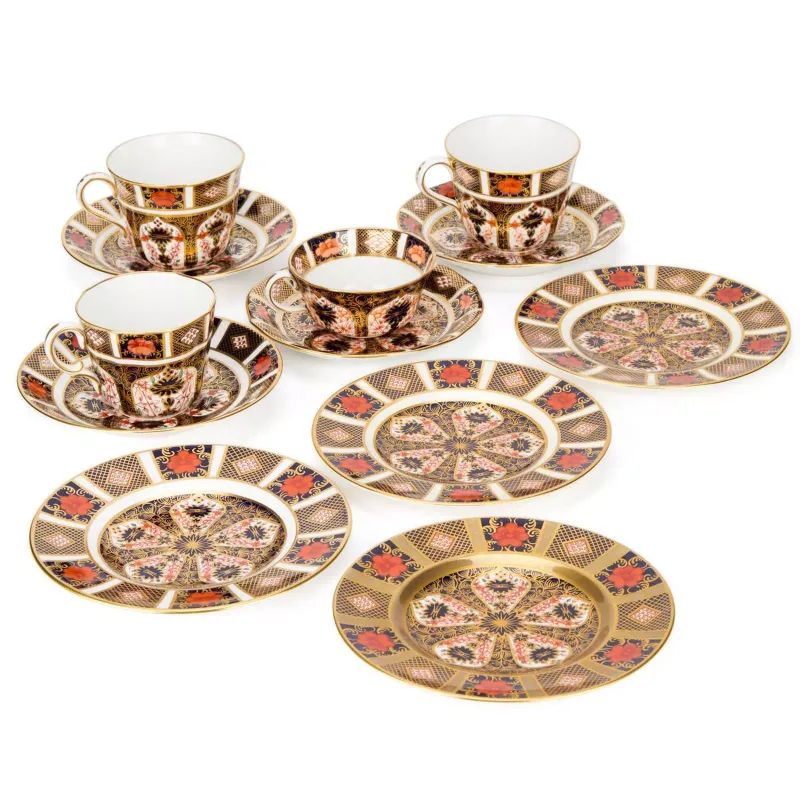
A Group Of Royal Crown Derby Imari Teawares 20th Century including four cups and saucers in the 1138 pattern and four Imari tea plates in the 1128 pattern
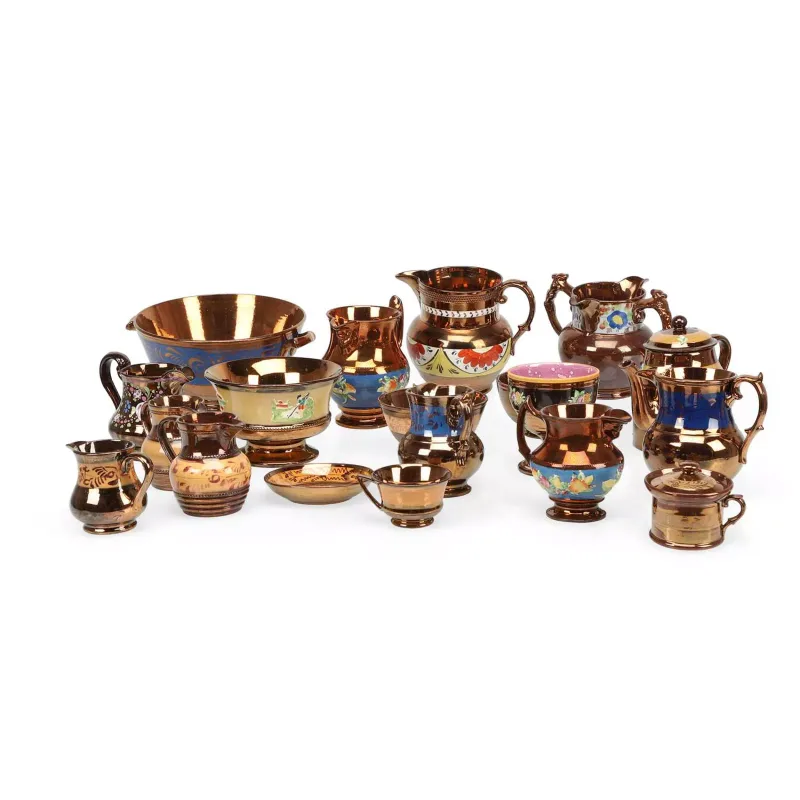
A Collection Of Copper Lustre Wares 19th Century, comprising jugs, goblets, bowls, a teapot, a saucer dish and a mug
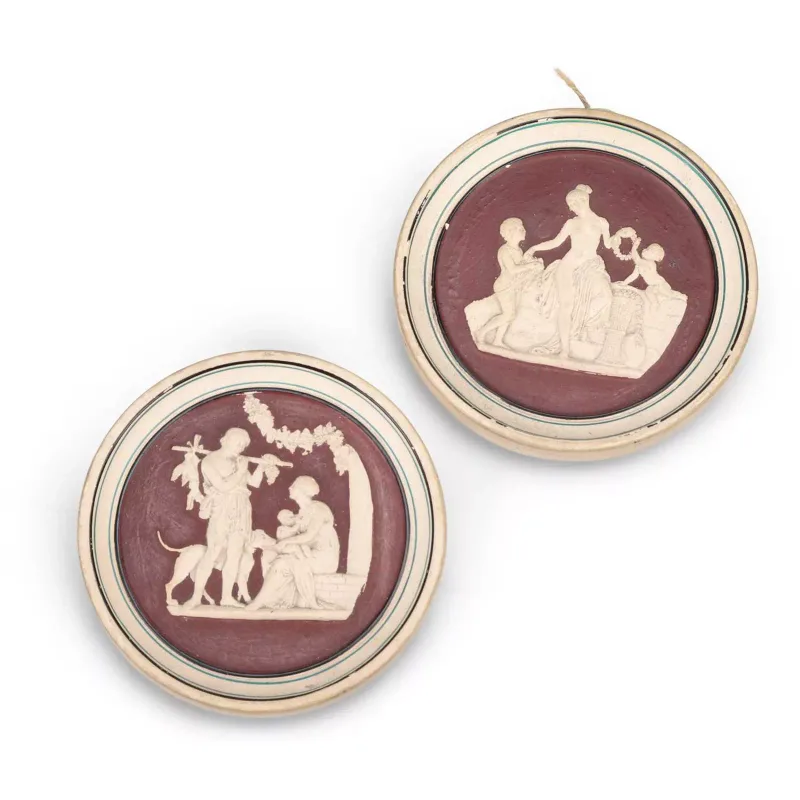
A Pair of Danish Roundels After Bertel Thorvaldsen by L
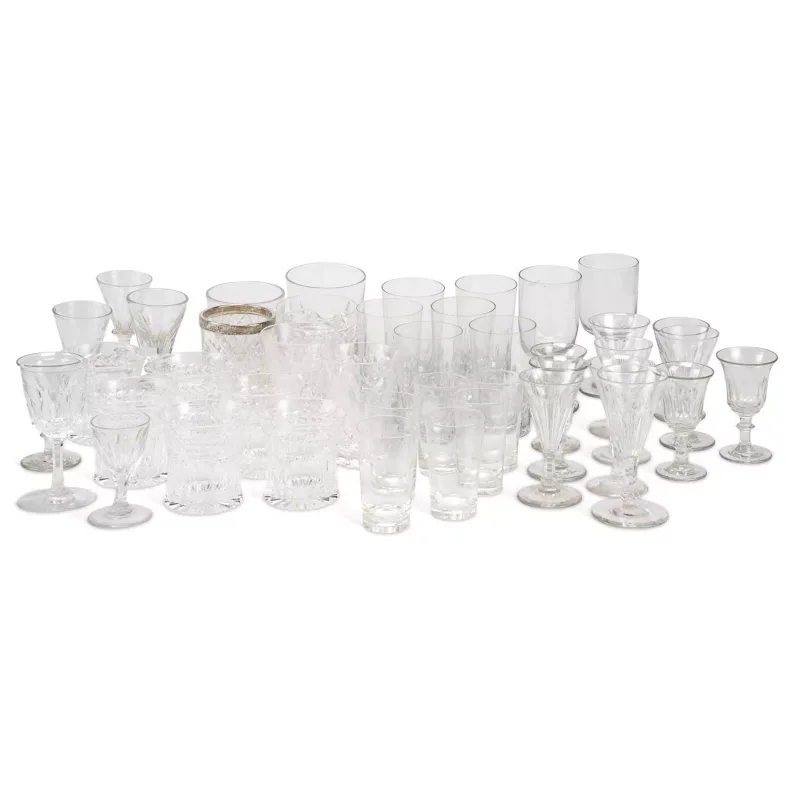
A Collection Of Drinking Glasses various forms
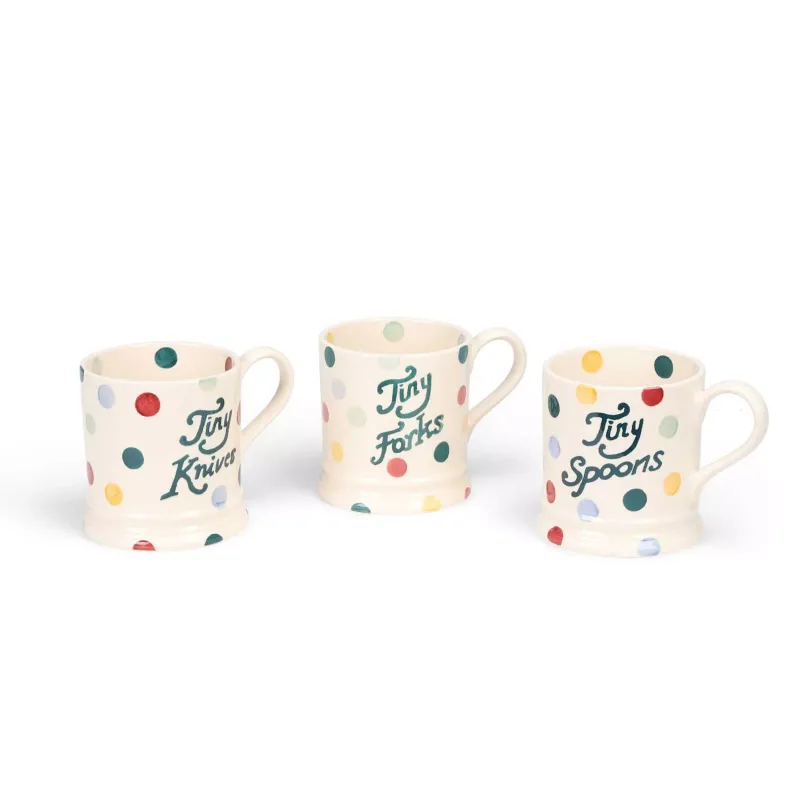
Three Emma Bridgewater 'Polka Dot' One Pint Mugs each sponge-decorated with coloured spots and
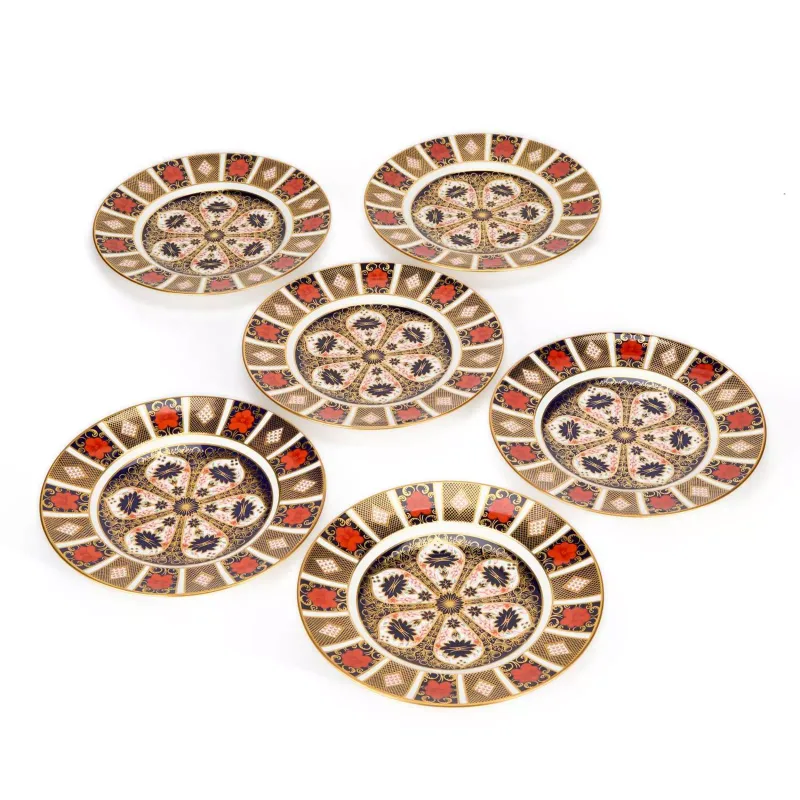
A Set Of Six Royal Crown Derby Dinner Plates Imari 1128 pattern, of first quality, printed factory marks, dated 2001
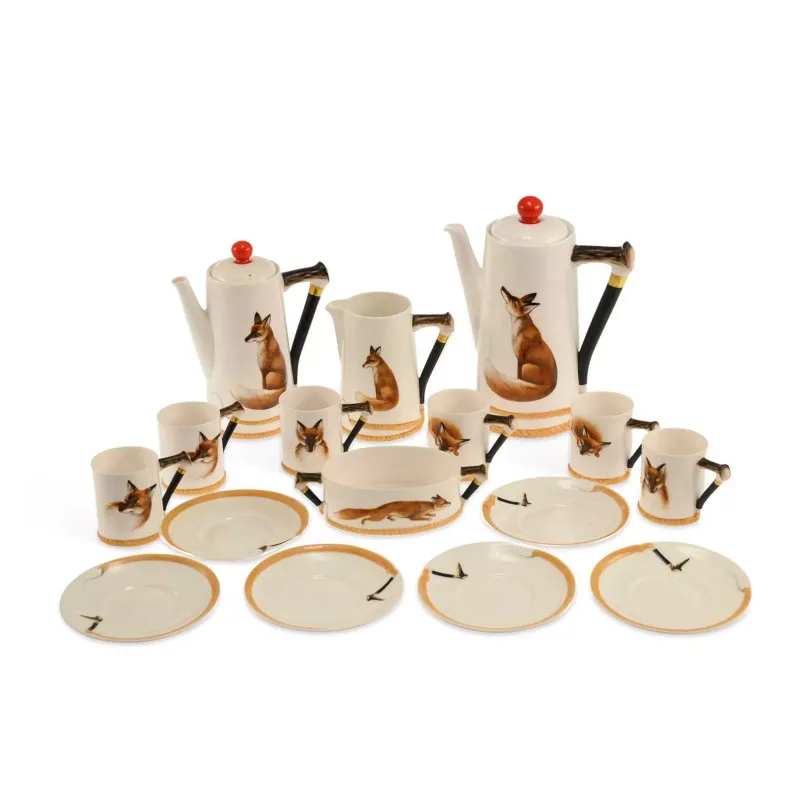
A Royal Doulton 'Reynard The Fox' Coffee Service Circa 1930 comprising of a coffee pot, hot water jug, cream jug, sugar bowl, six coffee cans and saucers
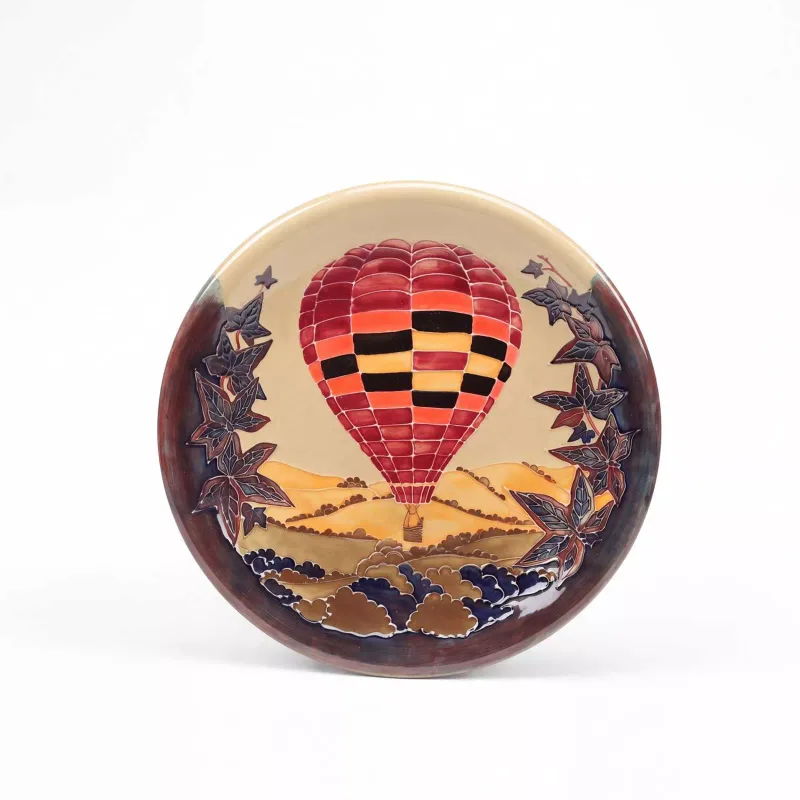
A Limited Edition 'Hot Air Balloon' Pattern Charger Sally Tuffin For Moorcroft specially commissioned by R&R Collectibles Ltd., London, England, no. 50/200
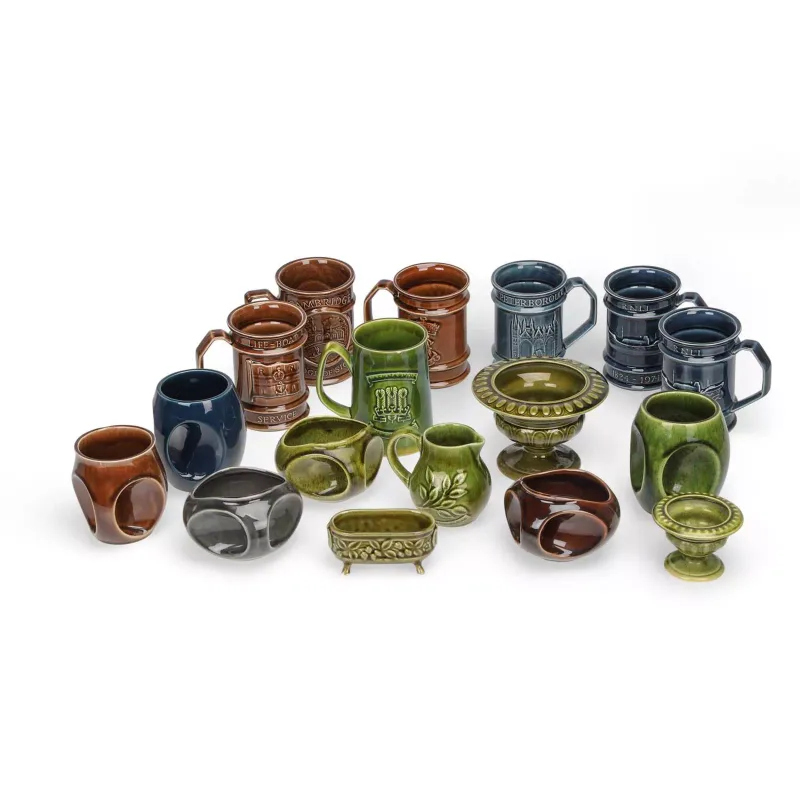
A Collection Of Holkham Pottery in treacle, green, blue and grey glazes, including tankards moulded with the Holkham estate arms, cube-form candle holders
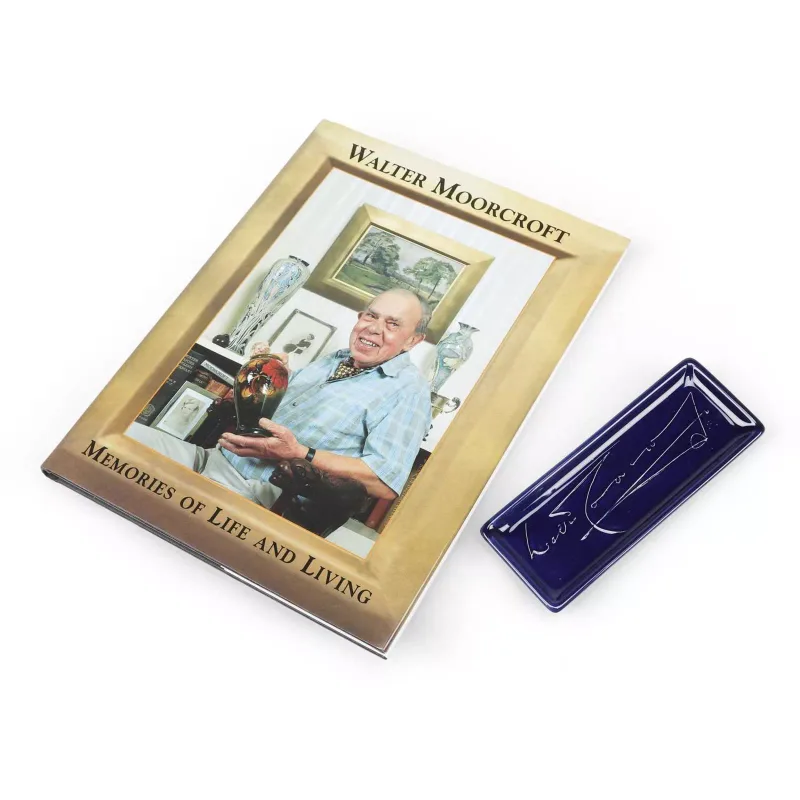
Walter Moorcroft Memories Of Life And Living Richard Dennis, 1999,
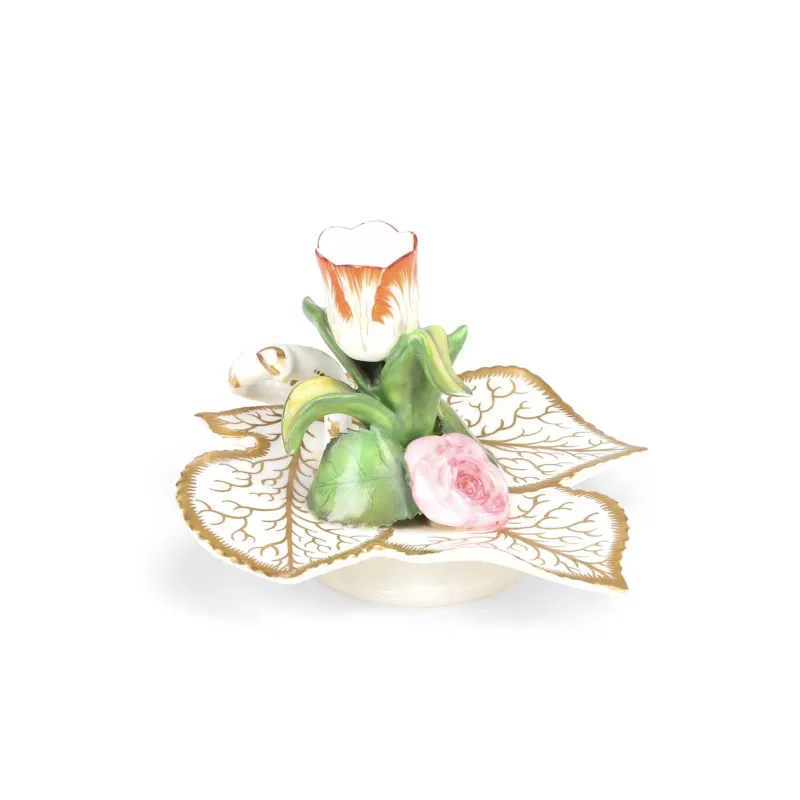
An English Porcelain Chamberstick circa 1830, the dish moulded as overlapping leaves gilt with veins and scrolling tendrils within serrated gilt edges
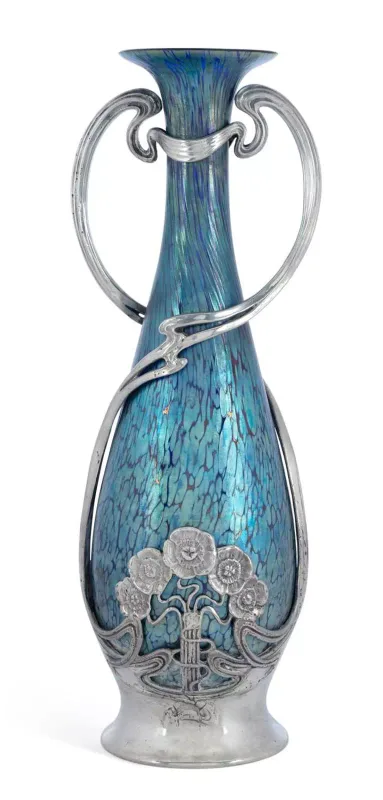
A Loetz Iridescent Glass Vase In An Art Nouveau Pewter Mount Circa 1900 of tapering ovoid form with a flared trumpet neck
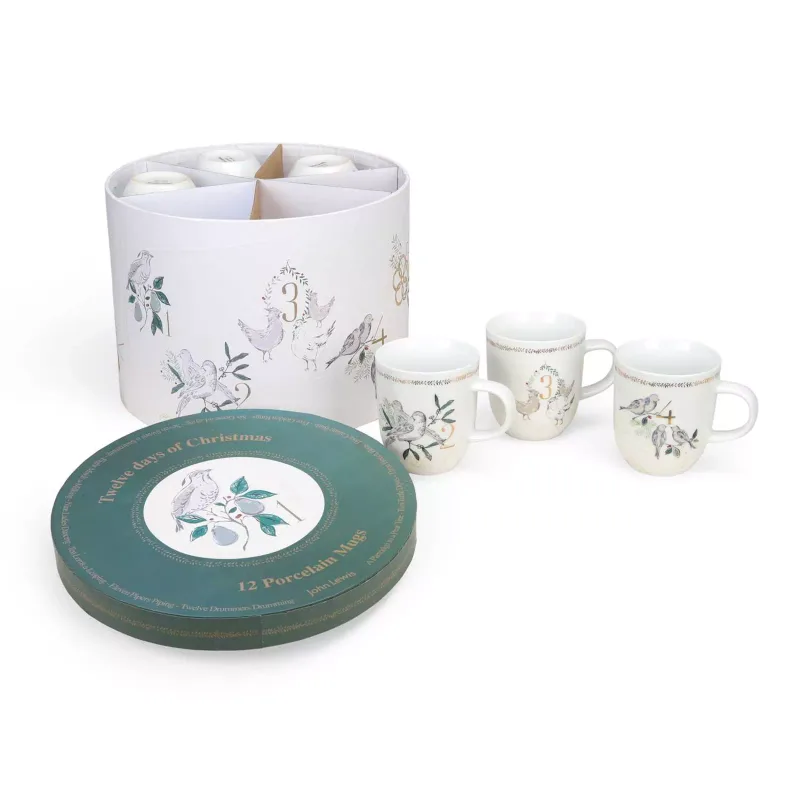
Two Boxed John Lewis 'Twelve Days Of Christmas' Porcelain Sets comprising a set of twelve plates and a set of twelve mugs
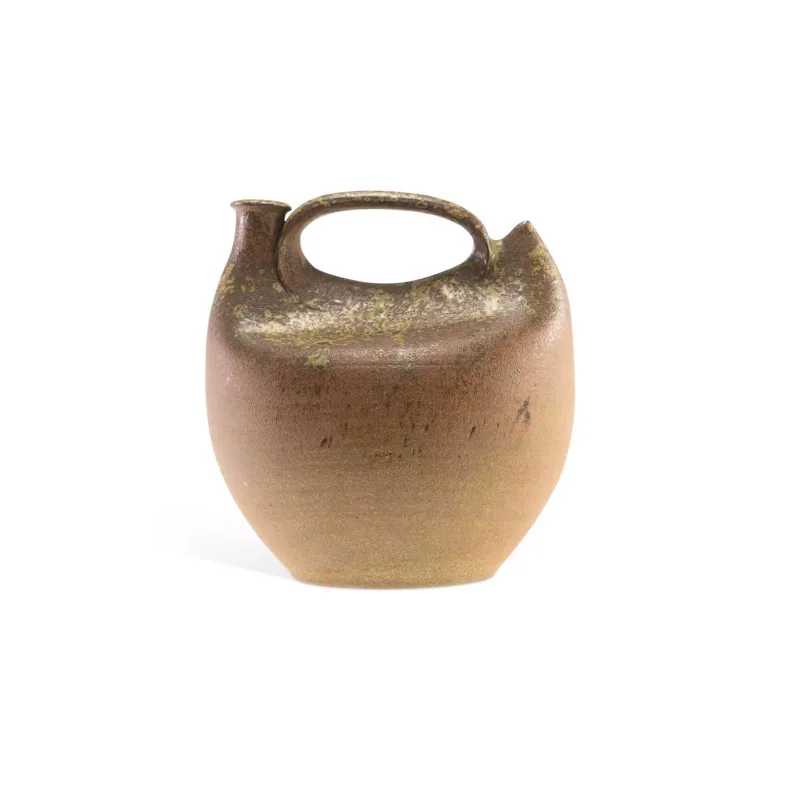
Four Pieces Of Studio Pottery Including Jim Malone, John Leech And Winchcombe comprising a Jim Malone (British
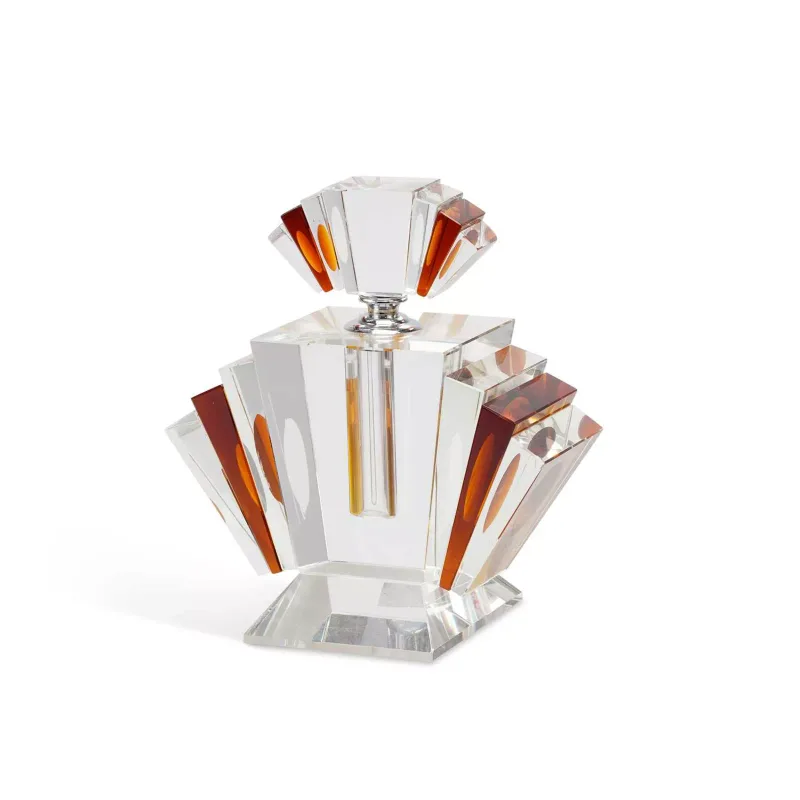
An Art Deco Style Glass Scent Bottle of fan form, the clear glass body with graduated amber panels to each side and a chrome-mounted collar
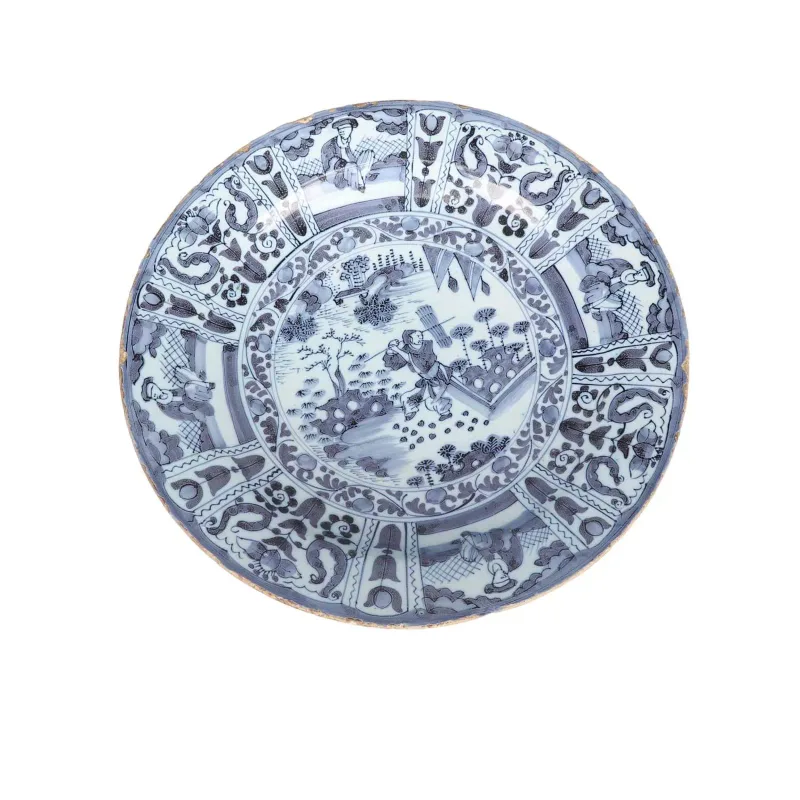
A Dutch Delft Charger circa 1660, painted in blue in the Chinese kraak manner
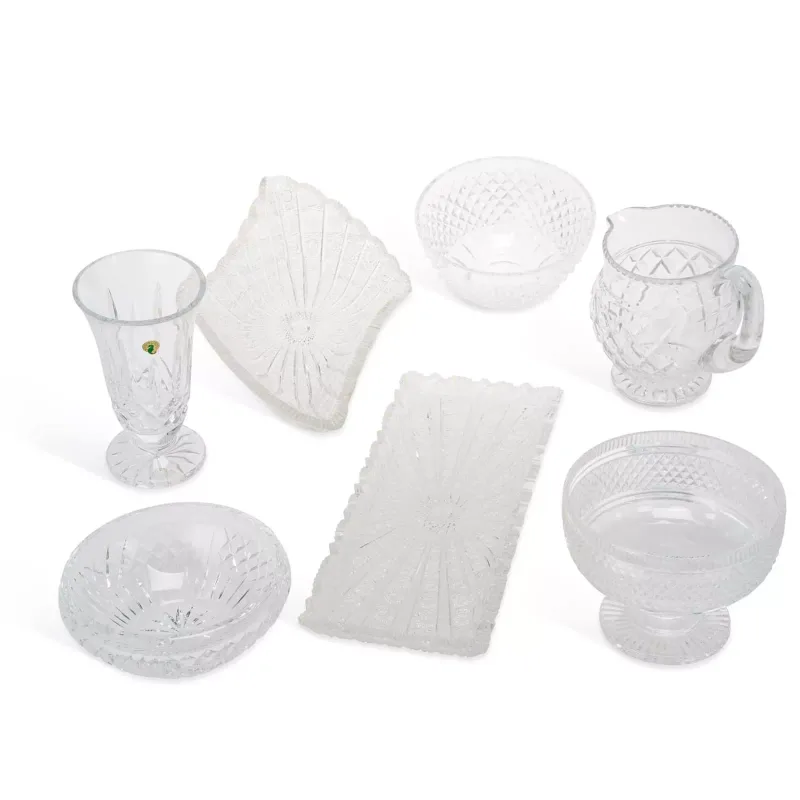
A Collection Of Waterford And Other Cut-Glass including a Waterford footed vase
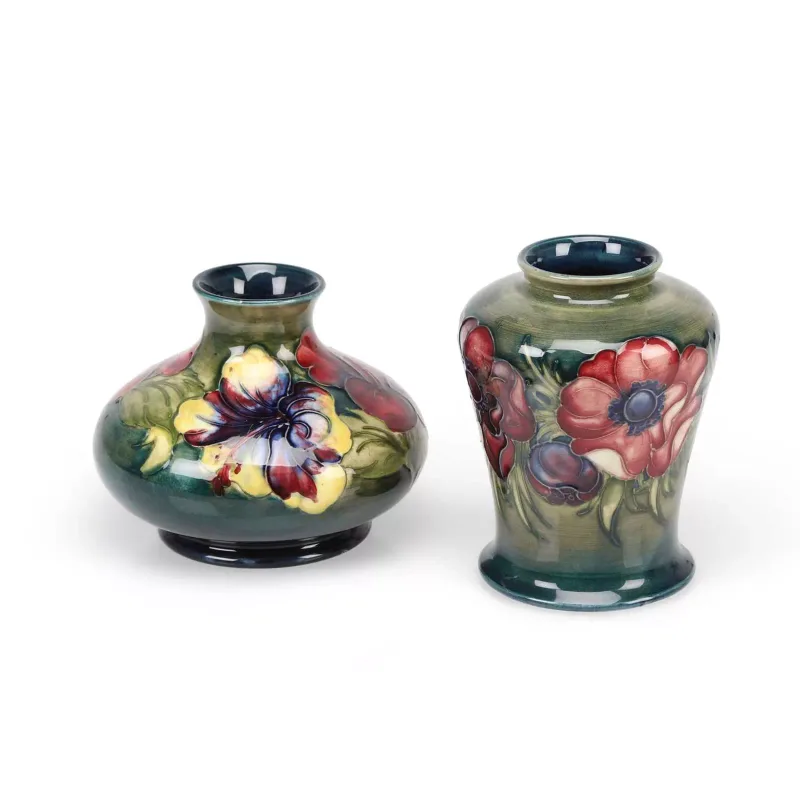
A Moorcroft 'Anemone' Vase And A 'Hibiscus' Vase comprising the first of inverted baluster form on a spreading foot
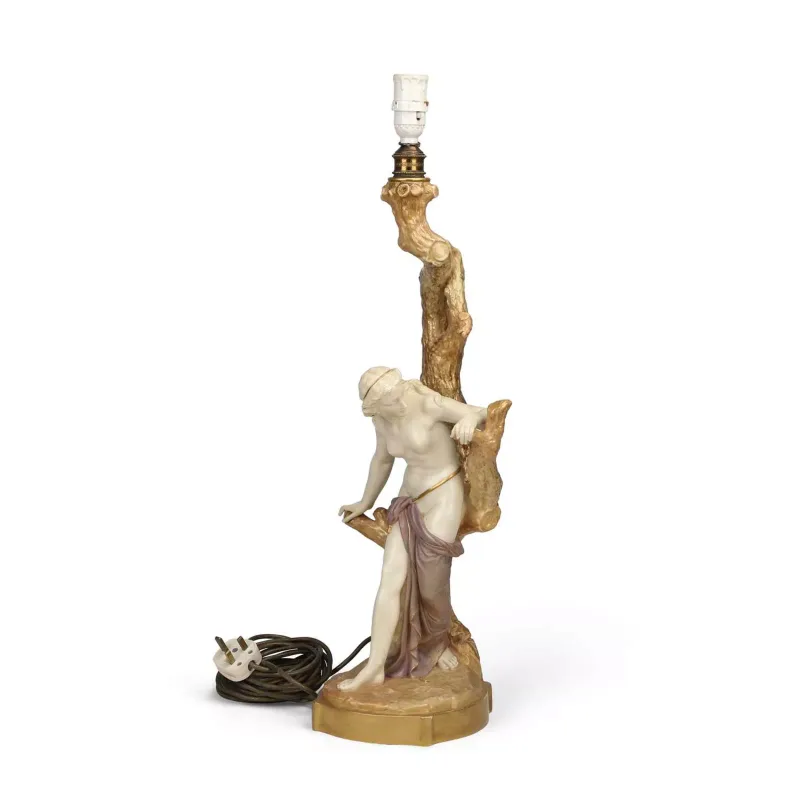
A Large Royal Worcester "Cricklite" Blush Ivory Porcelain Lamp Base modelled as a female nude resting against a tree stump
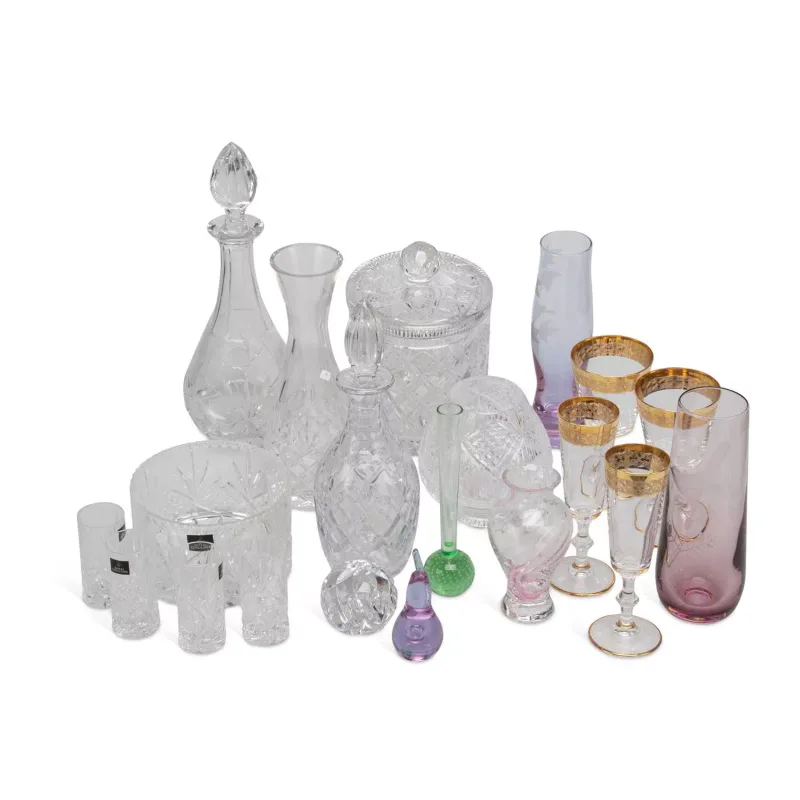
A Collection Of Cut And Coloured Glass including Tyrone Crystal, Edinburgh Crystal and Royal Doulton, comprising two decanters, a biscuit barrel and cover
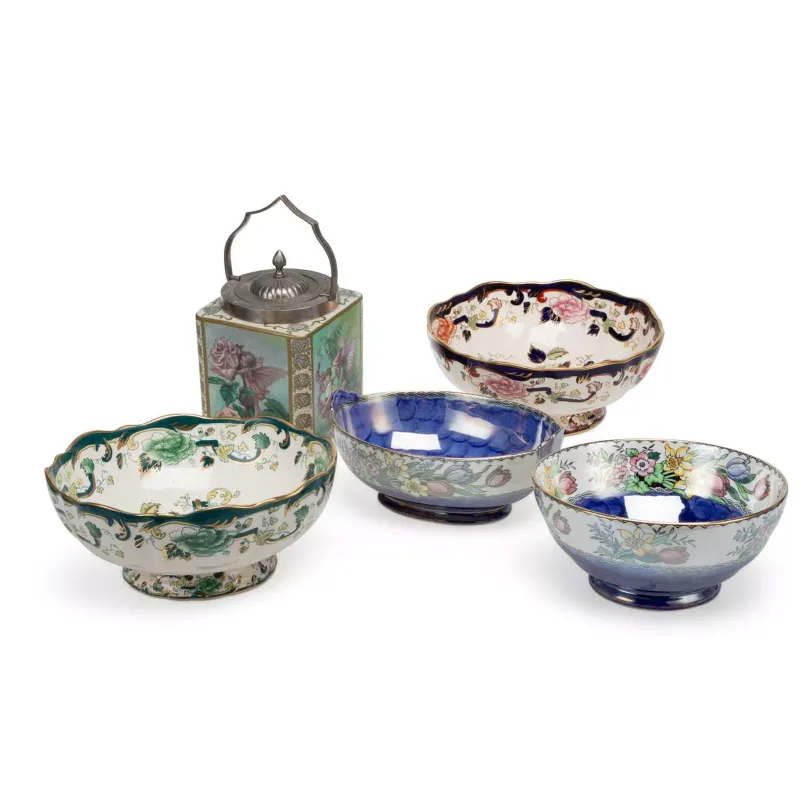
A Group of Ceramics
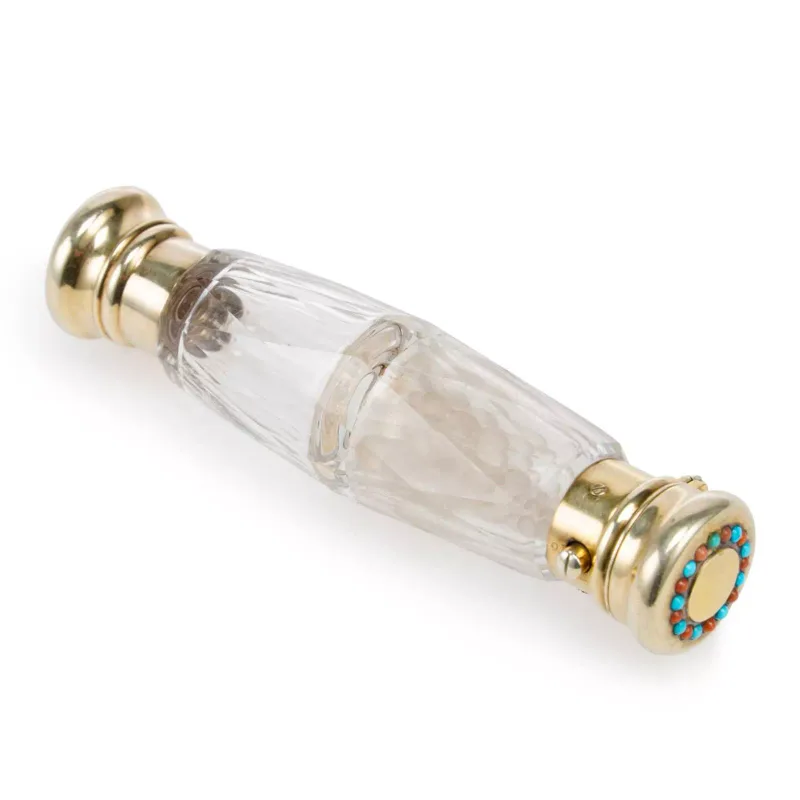
A Victorian Silver-Gilt Mounted Cut-Glass Double Scent Bottle apparently unmarked, late 19th Century, the body of tapering facet-cut form
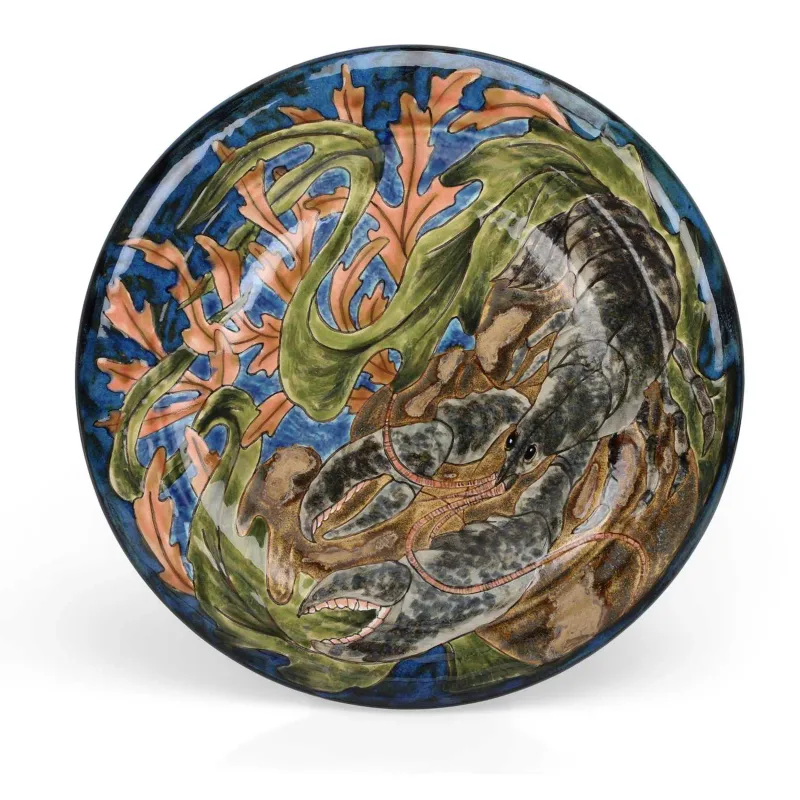
A Cobridge Stoneware Limited Edition 'Lobster' Charger designed by Philip Gibson, dated 1999
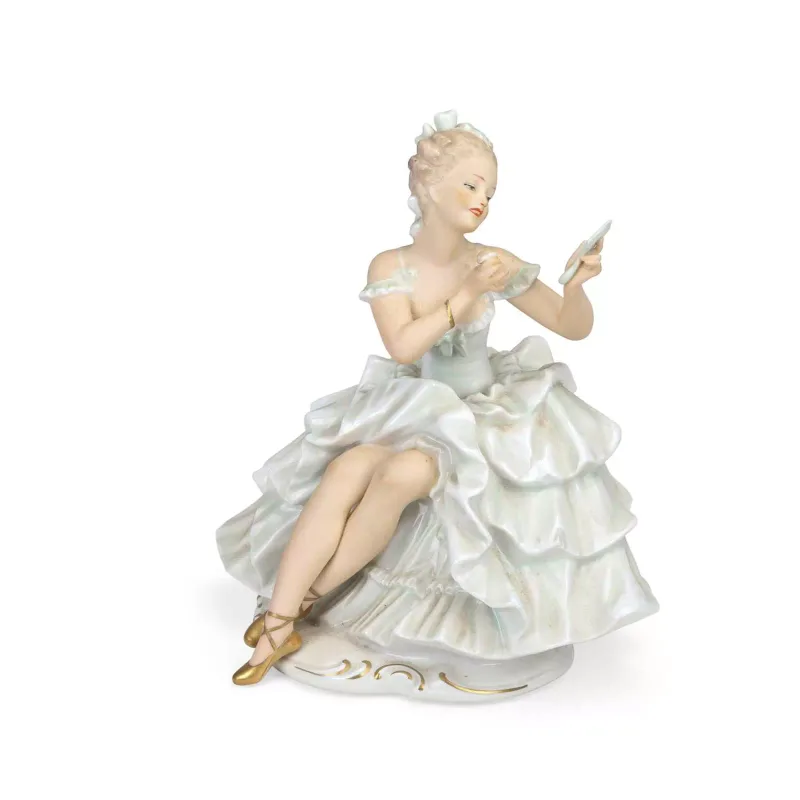
A Wallendorf Porcelain Figure Of A Seated Lady mid-20th Century, modelled seated in a flounced pale green crinoline, holding a hand mirror and powder puff
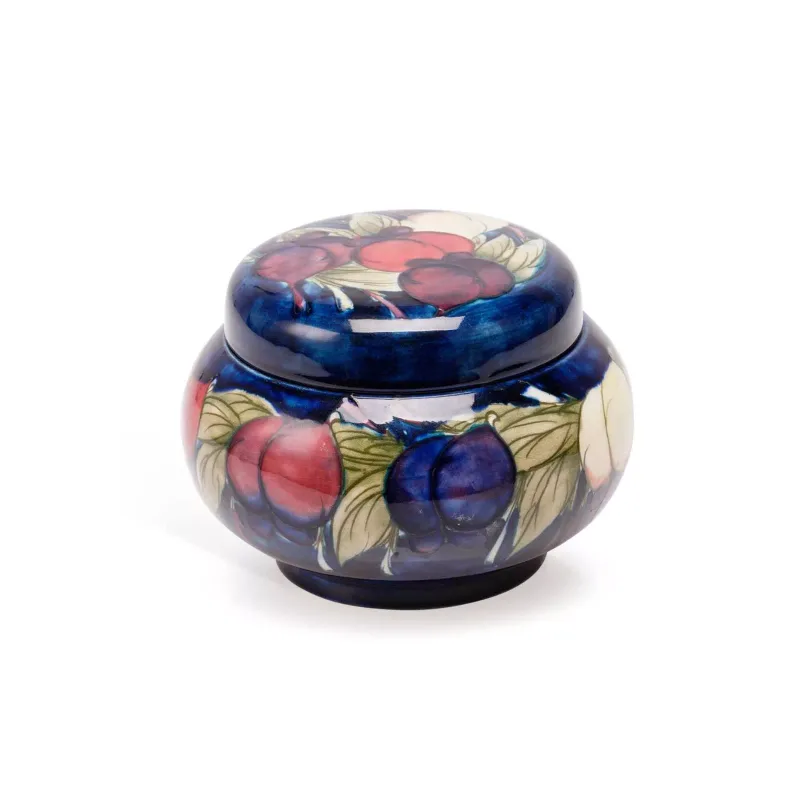
A Moorcroft 'Wisteria Plum' Jar And A Vase comprising the jar of compressed globular form with a screw-fitting cover
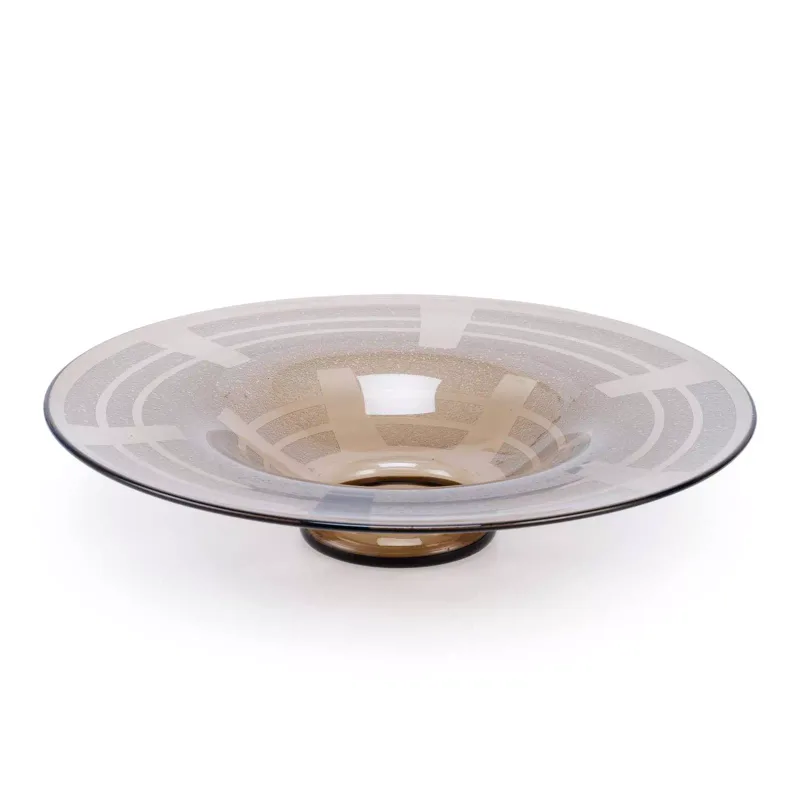
A Schneider Glass Bowl by Schneider, circa 1930, of shallow circular form with a wide everted rim
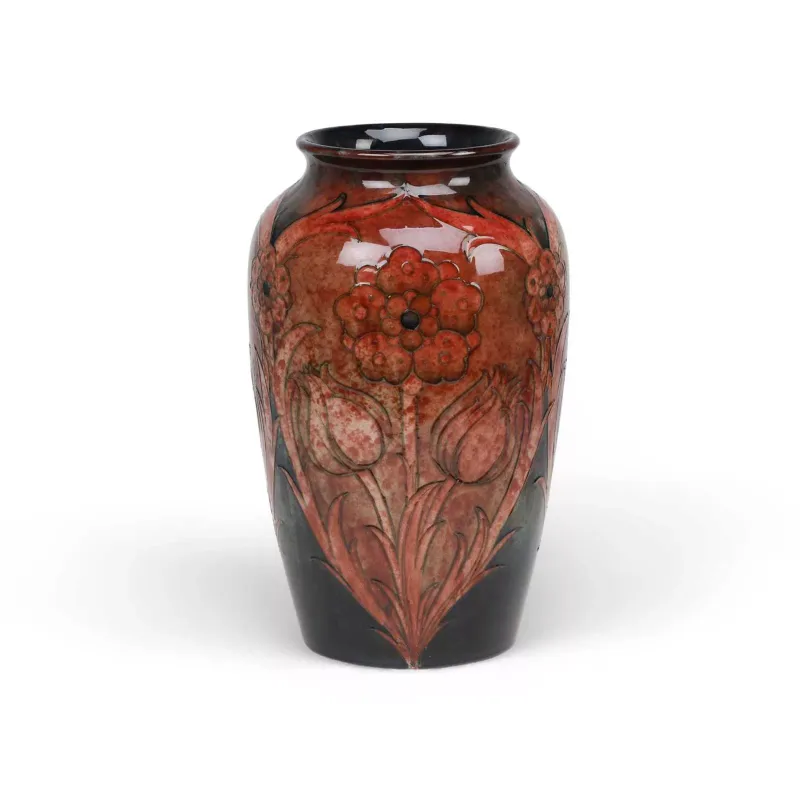
A Rare Large William Moorcroft Panelled Florian Flambé Vase Circa 1920S of shouldered ovoid form
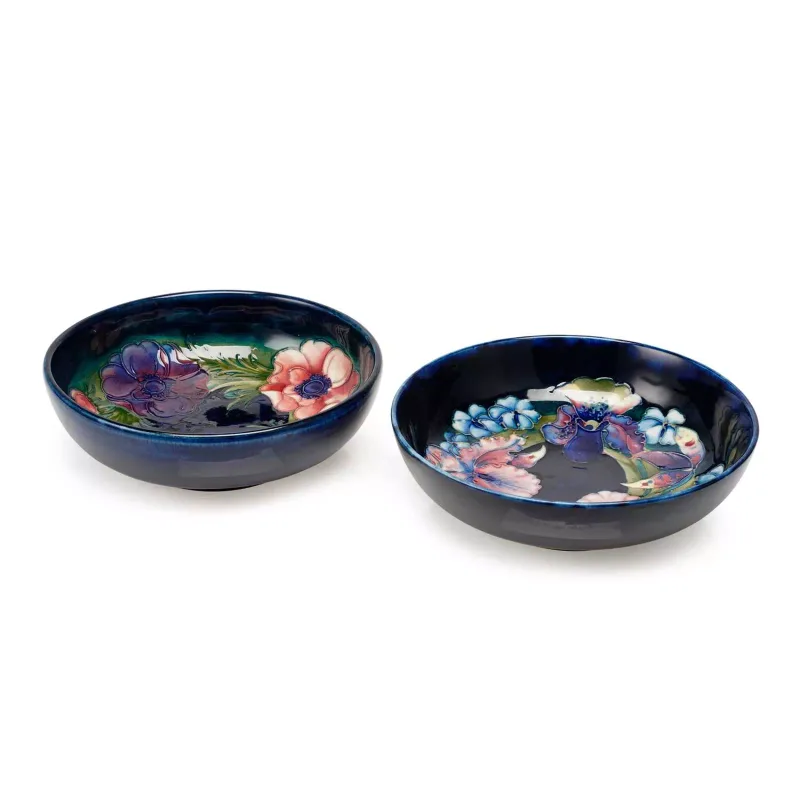
A Moorcroft 'Orchid' Bowl And An 'Anemone' Bowl both circa 1950
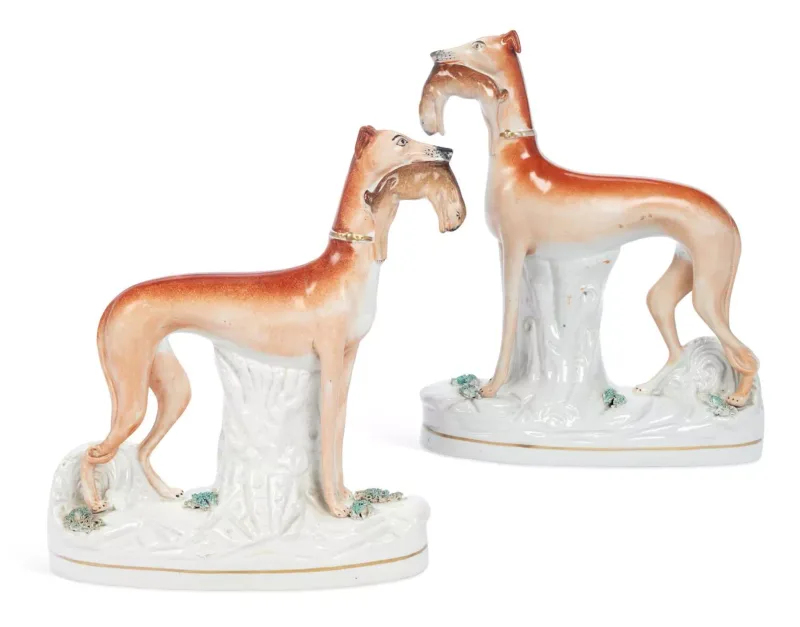
A Pair Of Staffordshire Figures Of Greyhounds 19th Century each modelled standing before a tree stump with a hare in its mouth, wearing a gilt collar
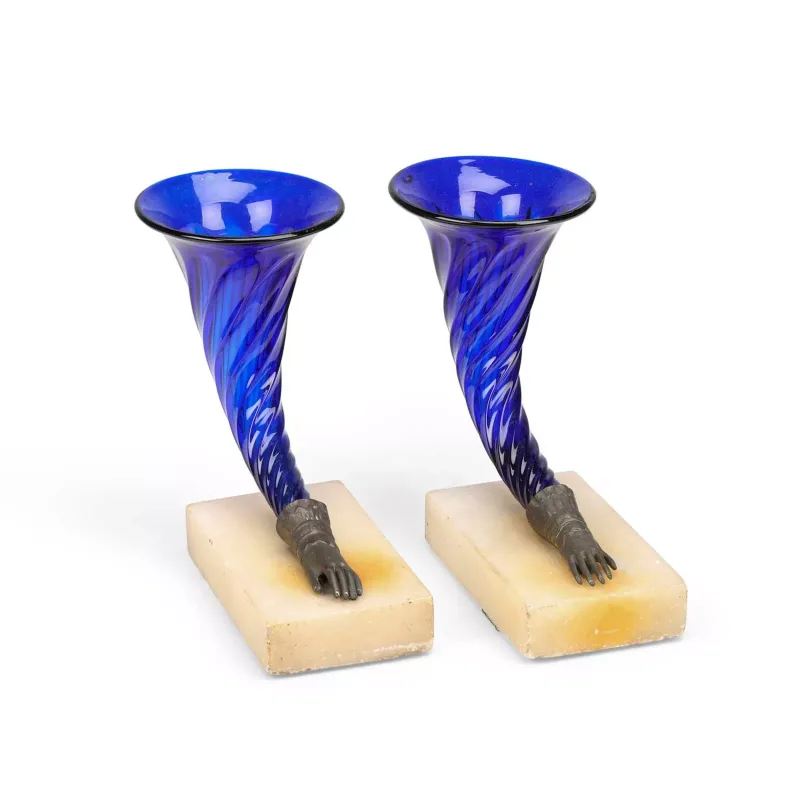
A Pair Of Blue Glass Cornucopia Vases late 19th or early 20th Century, each of flaring horn form in cobalt blue glass moulded with wrythen ribbing
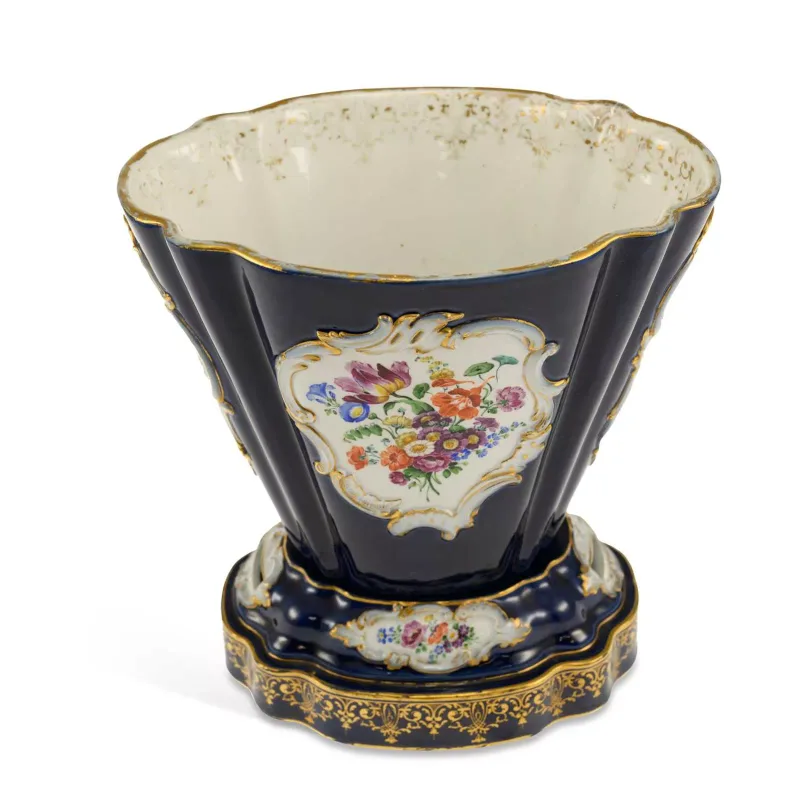
A Meissen Porcelain Cachepot And Stand Circa 1870 Sèvres style, painted with panels of figures in 18th Century costume and a spray of flowers
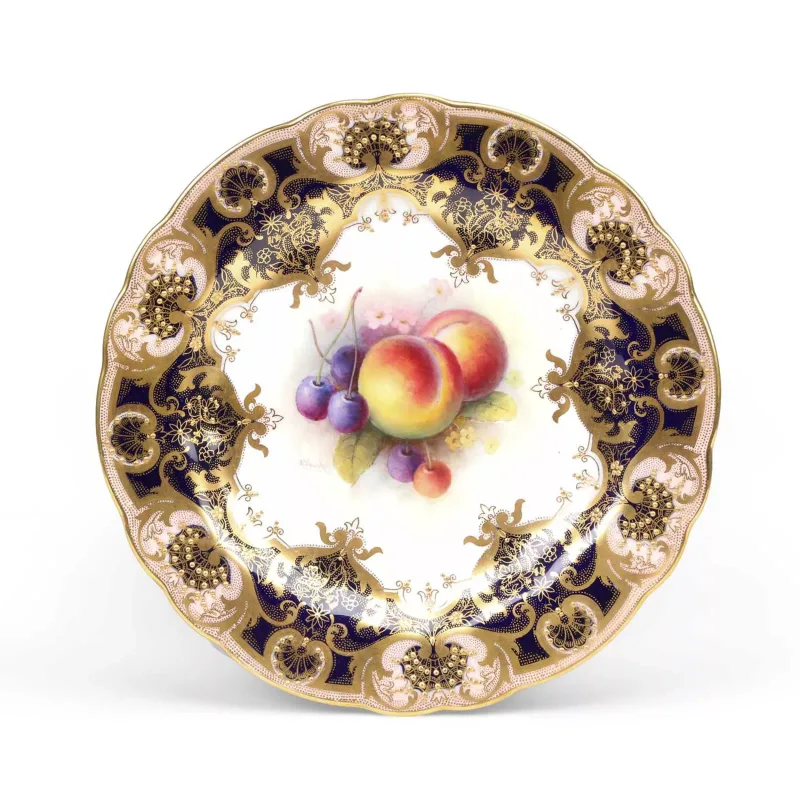
A Royal Worcester Cabinet Plate Painted By Albert Shuck dated 1924, of shaped circular form, painted to the centre with peaches
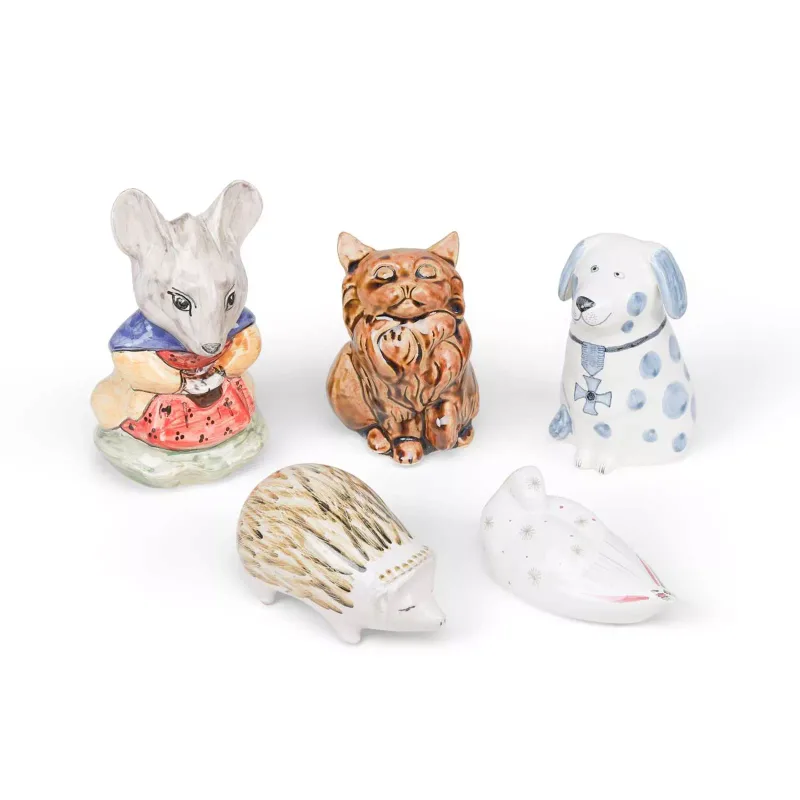
Five Rye Pottery Models Of Animals comprising a dressed mouse, a seated cat, a spotted dog with a medal, a hedgehog and a bird, two by David Sharp
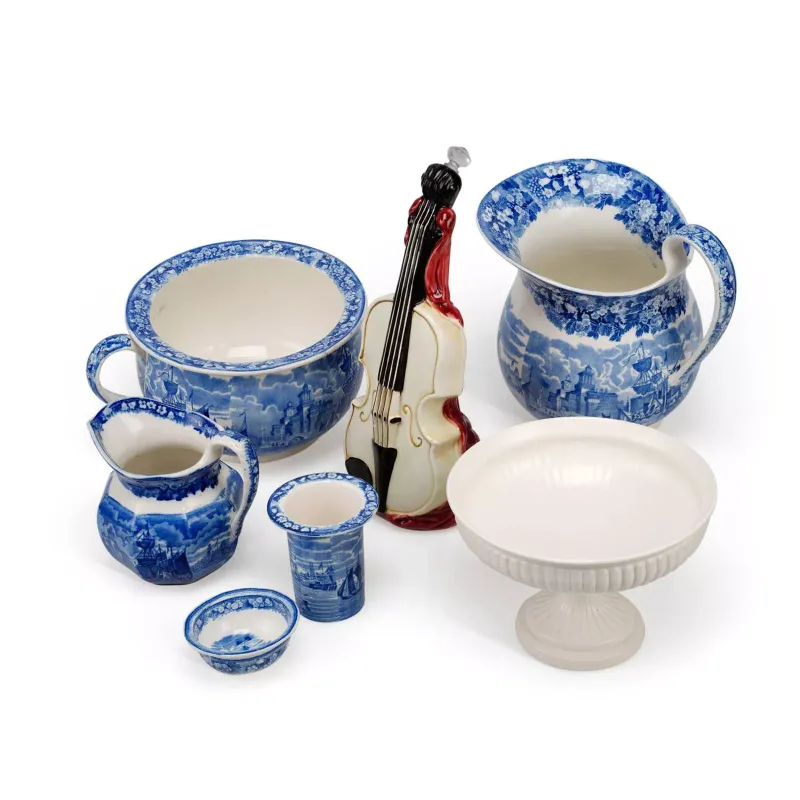
A Group Of Wedgwood Ferrara Pottery Wares Circa 1900 all the pieces printed in underglaze blue with Italian harbour scenes, within floral borders
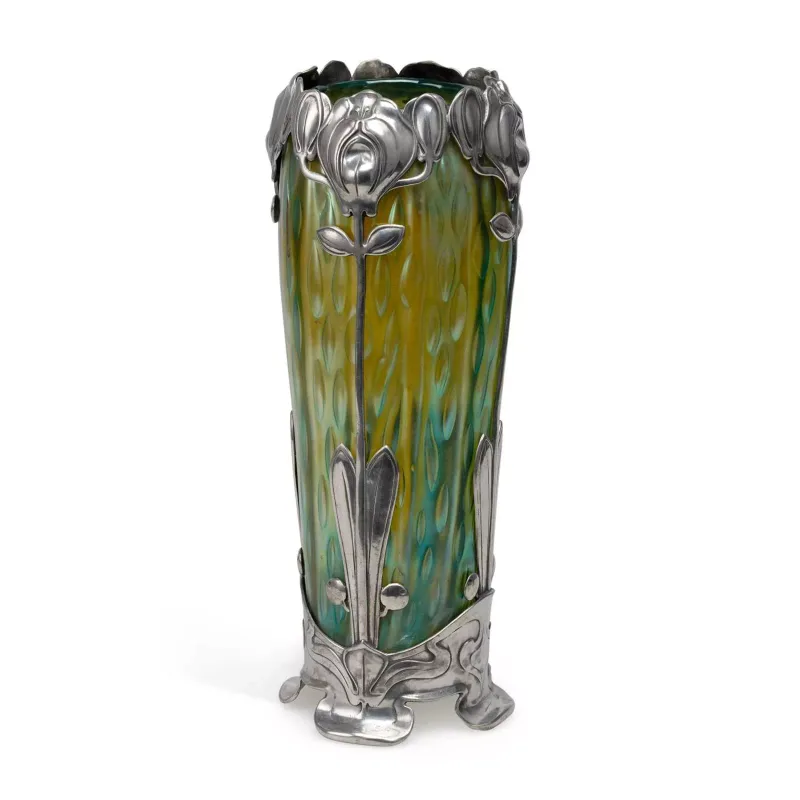
An Art Nouveau Iridescent Green Glass Vase With Pewter Mounts in the manner of Loetz/ Kralik, of cylindrical form in iridescent green glass with ellipse motif
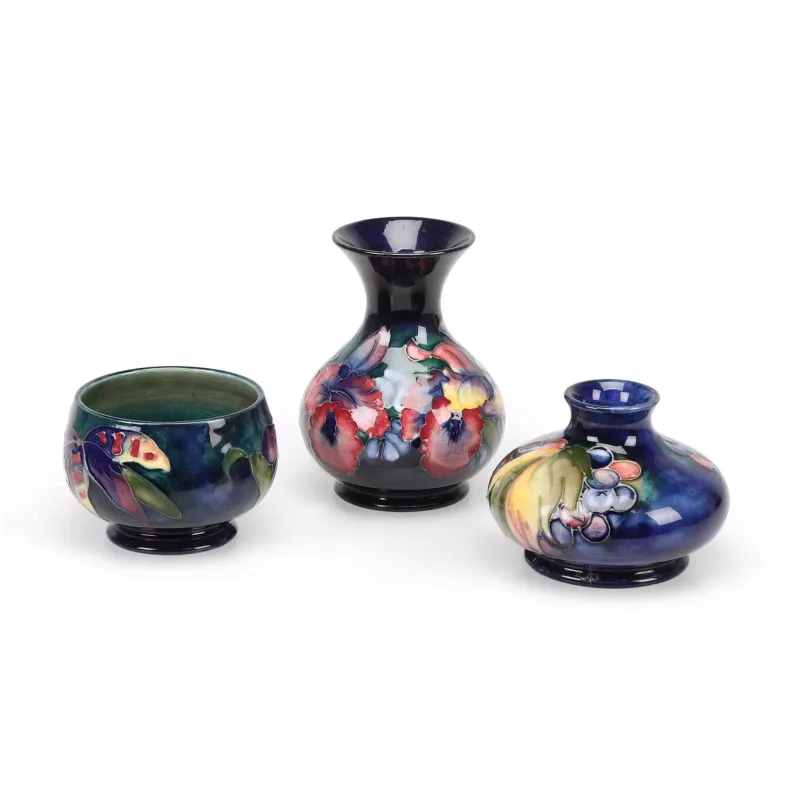
A Moorcroft 'Pansy' Vase, A 'Leaf And Berry' Vase And An 'Orchid' Bowl comprising the Pansy vase of baluster form with a flared neck
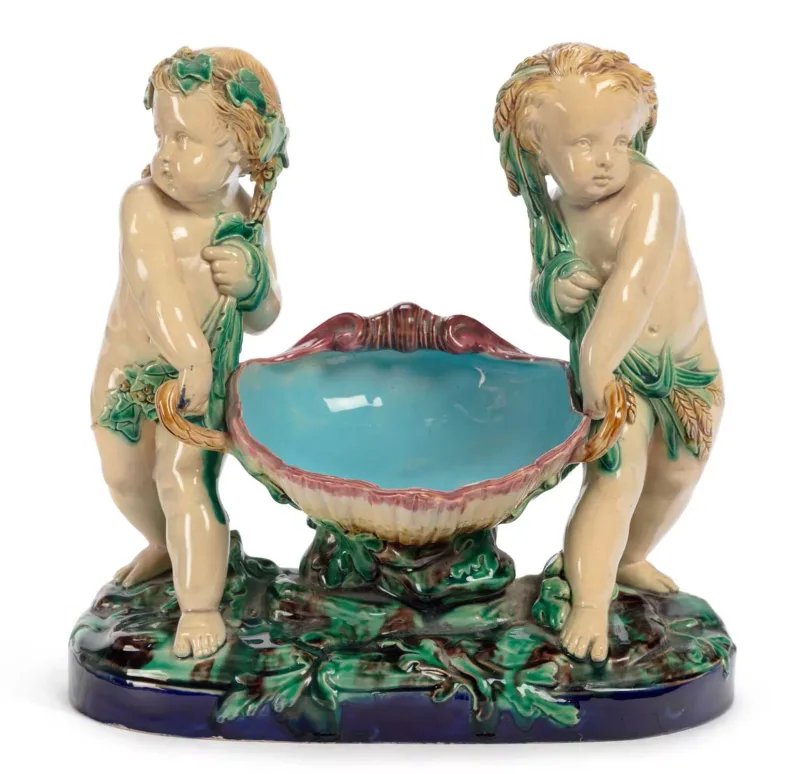
A Minton Majolica Cherubs Basket Dated 1868 modelled as two cherubs carrying a large shell
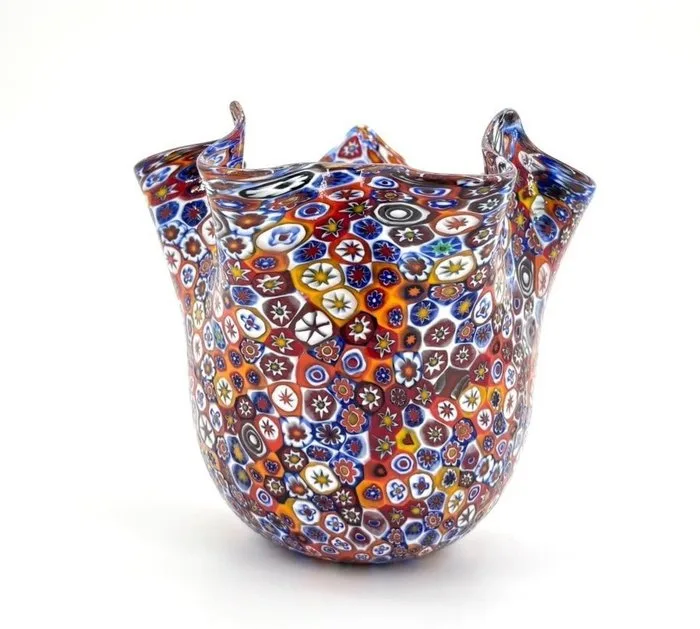
Vase - Murano glass - Murrina millefiori vase
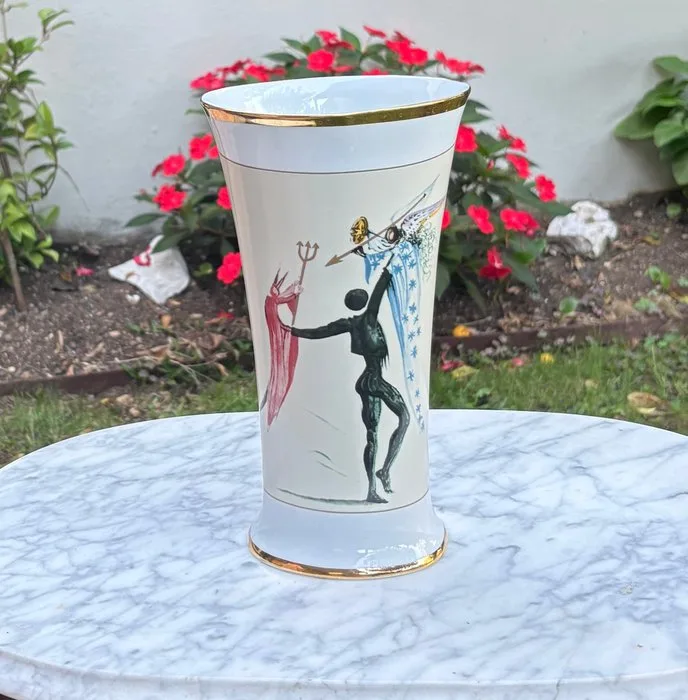
Salvador Dalí (after) - Vase - Porcelain - Limited edition No. 95
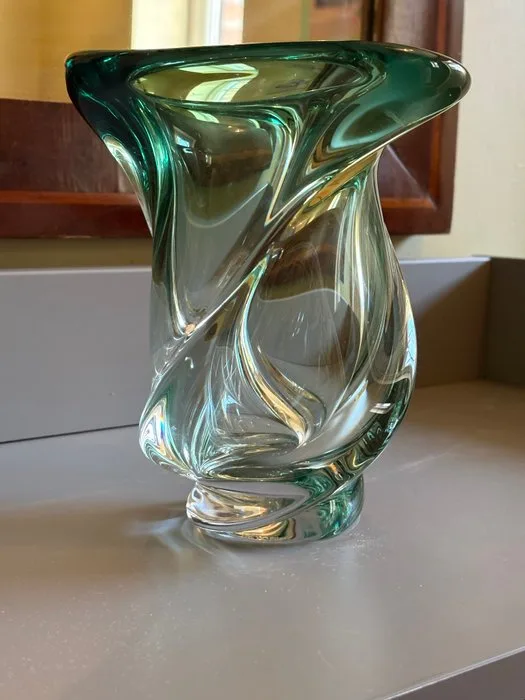
Val Saint Lambert - René Delvenne - Vase - So - Crystal - René Delvenne (attributed)
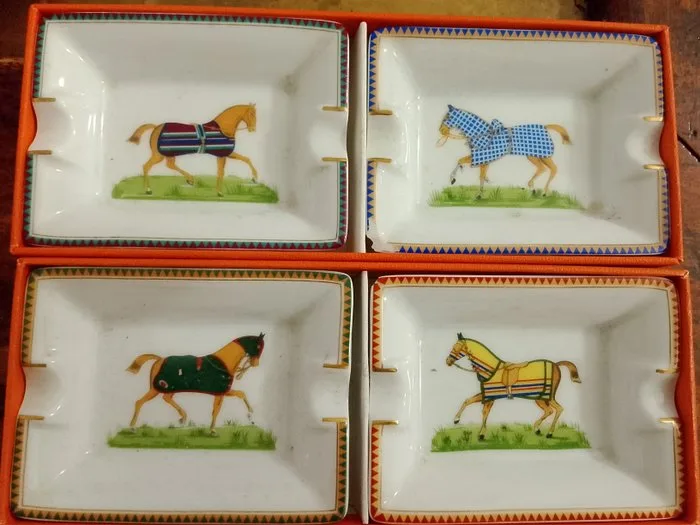
Hermès - Atelier Hermès - Ashtray (4) - "Chevaux" (o "Chevaux d'Écurie" / "Chevaux de Trait - Porcelain - Hermès Paris – Set of 4 M
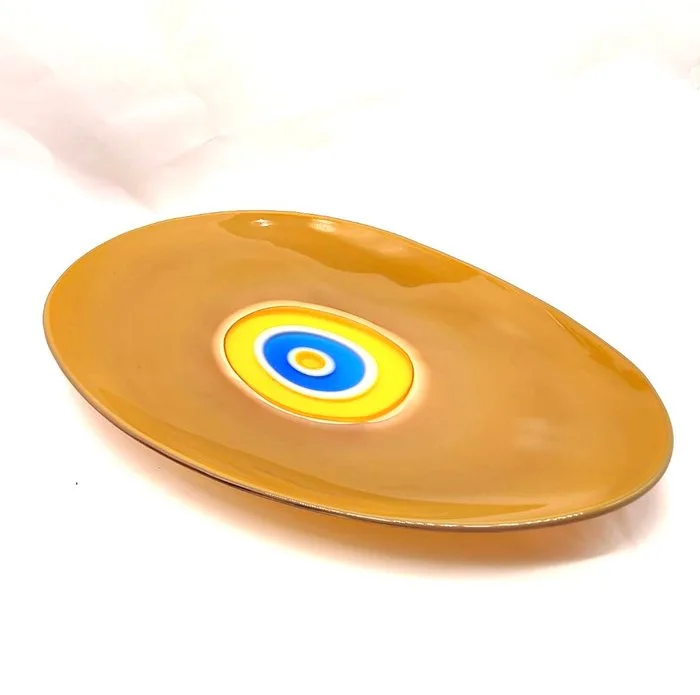
Murano Lino Tagliapietra Centrotavola in vetro di - La Murrina Vetreria artistica di Murano - Centrepiece - Glass
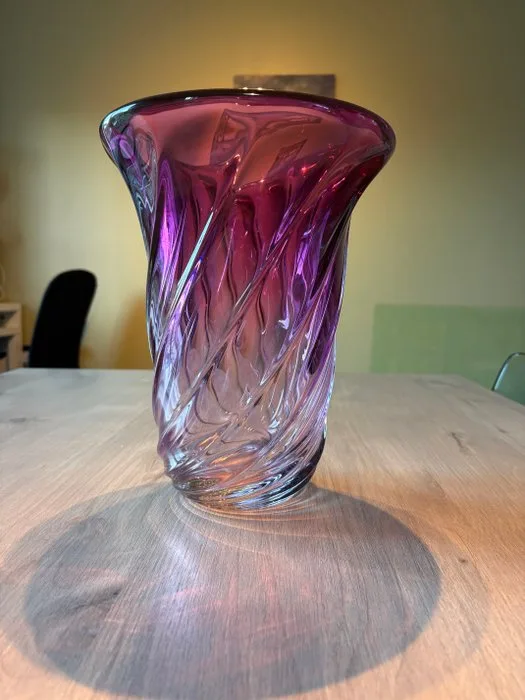
Val Saint Lambert - René Delvenne - Vase - twist - Crystal - Large Twisted Vase
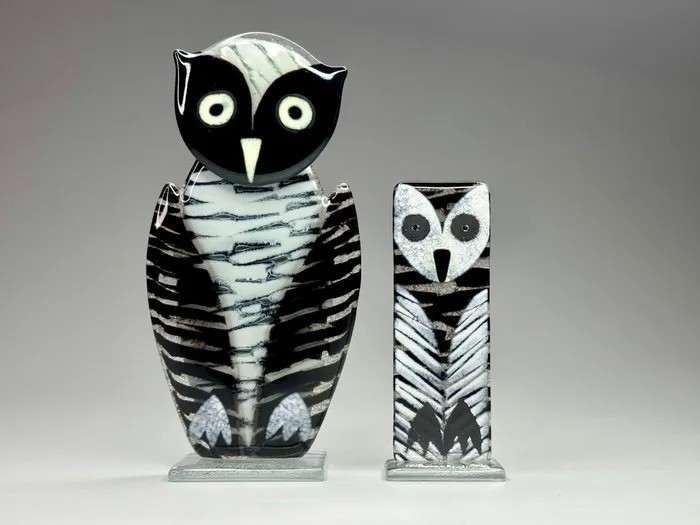
Studio Habrat - Maciej Habrat - Figure - Owl (2) - fusing
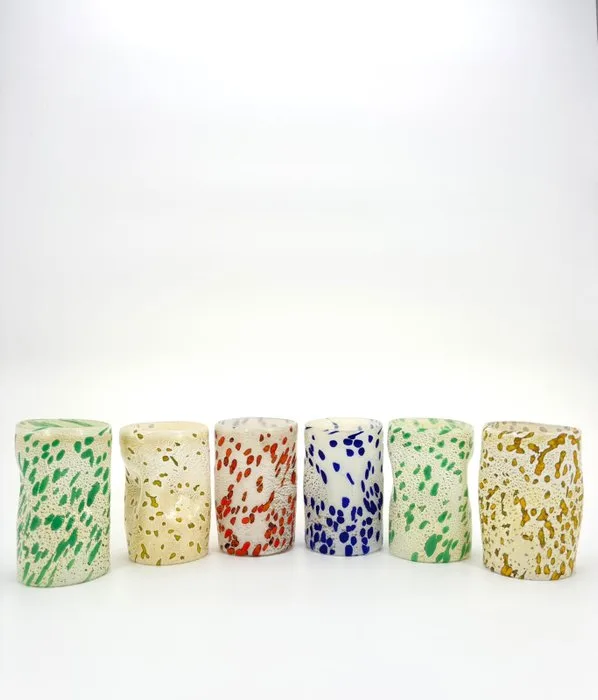
Drinking service (6) - Murano glass - 6 Murano glasses
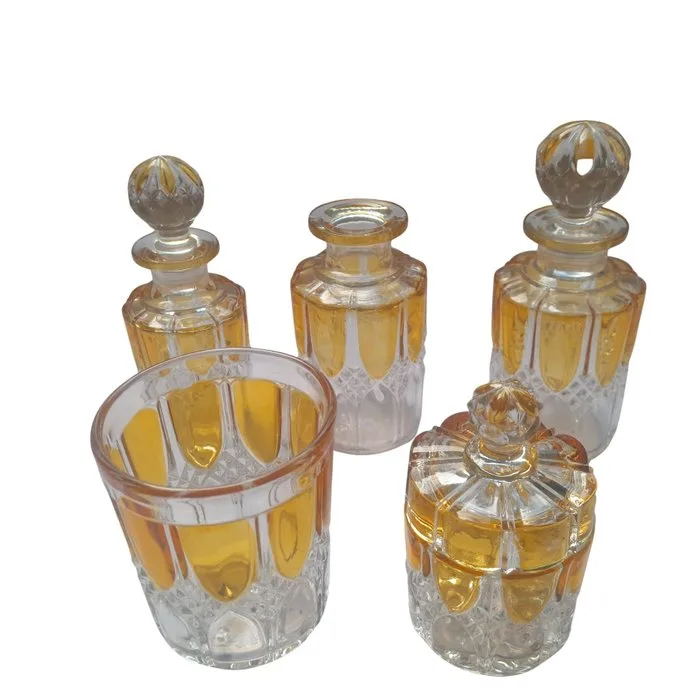
Toilet set - Crystal - Crystal toilet set
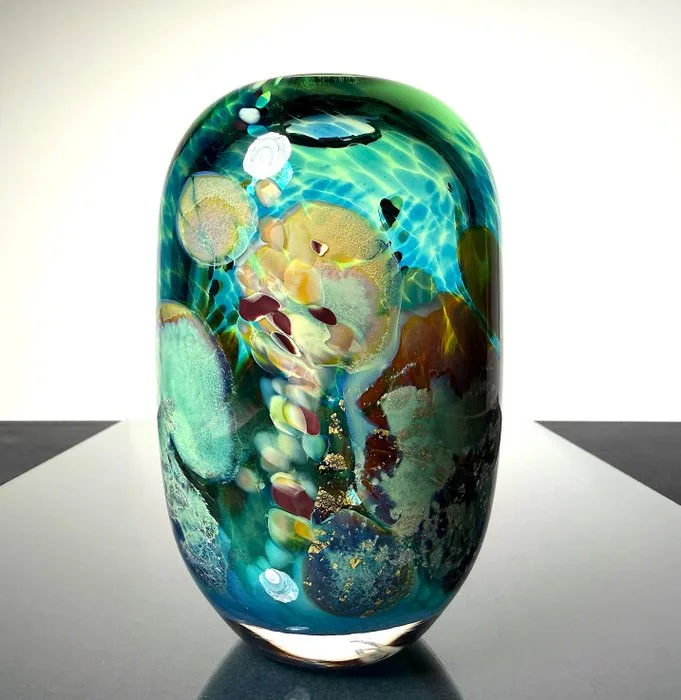
Maxence Parot - Vase - Unique vase in gold and silver colors. - Glass
What this category covers
Decorative porcelain and pottery (vases, platters, figurines, cups and saucers, centrepieces), art glass and crystal (vases, paperweights, candelabra, figures) and tiles, including Art Nouveau (Jugendstil) and tin-glazed examples. Names you will see include Meissen, KPM Berlin, Richard Ginori with Gio Ponti designs, Longwy, Lisa Larson, Daum, Saint Louis, Portieux and Murano houses such as Seguso and Barbini. Most pieces here are between EUR 300 and EUR 860.
How listings are described
- Material: porcelain, earthenware, ceramic, glass, crystal or Murano glass.
- Brand: the factory or studio, with the designer where known.
- Era and style: most pieces date from 1900-2000; styles include Art Nouveau and Art Deco.
Factory marks
Many factories marked their work on the base: Meissen with crossed swords, KPM with a sceptre, Daum and Saint Louis with a signature. Marks help date and attribute a piece but were also copied, so read them together with the quality of painting and the shape. Photos of the base are worth studying.
Condition to check
Look for chips on rims and feet, hairline cracks (fine lines that may be visible when the piece is held to light), restoration, and wear to gilding. Glass can show light scratches on the base from use. For sets, check the number of pieces given in brackets in the title.
Frequently asked questions
What is the difference between porcelain and earthenware?
Porcelain is fired at a very high temperature from a fine clay called kaolin, making it hard, non-porous and often translucent when held to light. Earthenware is fired at a lower temperature, is thicker and porous, and needs a glaze to hold liquids. Earthenware chips more easily, while porcelain rings clearly when lightly tapped.
How do I recognise Meissen porcelain?
Meissen, founded near Dresden in 1710, marks its porcelain with crossed swords in underglaze blue on the base. The style of the swords changed over time and helps with dating. Because the mark was widely imitated, look also at the fineness of the painting, the quality of the modelling and the whiteness of the body.
What is Murano glass?
Murano glass is made on the island of Murano in Venice, where glassmaking has been concentrated since the 13th century. Workshops such as Venini, Seguso and Barbini are known for techniques like sommerso (layered colour), murrine (patterned glass slices) and fine hand-shaped figures. Many pieces carry a signature or label; the style, weight and colour work also help identify them.
What is a hairline crack in ceramics?
A hairline is a very fine crack that goes through the body of the piece, unlike crazing, which is a network of fine lines only in the glaze. Hairlines can spread over time, especially with changes in temperature, so decorative pieces with a hairline are best kept for display rather than use. Holding a piece to light often reveals them.